
Reviewed · MASADA AND EIN GEDI TOURS
2-Day Best of Israel Tour from Tel Aviv: Jerusalem, Bethlehem and Masada Tour
Ancient stories come alive across two packed days. This tour brings together Jerusalem’s Old City and holy sites, Bethlehem’s Church of the Nativity, Masada, and the Dead Sea without asking you to manage border crossings, desert roads, or overnight arrangements yourself. I like the efficient route and the chance to see both religious landmarks and natural wonders in one short trip. The main caution is the basic overnight hotel, which several people found disappointing for the price.
The first day is a rapid walk through Jerusalem and Bethlehem, with guides such as Ami, Ron, David, and Rikki praised for making complicated history easier to follow. Day two has a different rhythm: Masada, desert views, and a long, relaxing stop at the Dead Sea. Large groups, shopping stops, changing buses, and uneven guiding can make the experience feel less polished than its impressive itinerary suggests.
In This Review
- Key points at a glance
- Why this two-day route works from Tel Aviv
- Mount Scopus and the first view of Jerusalem
- Walking the Old City of Jerusalem
- Bethlehem and the Church of the Nativity
- The overnight stay in Jerusalem
- Masada and the desert morning
- The Dead Sea, mud, and floating time
- Guides, groups, and the rhythm of the tour
- Is $360 a fair price?
- Who should book this experience?
- Should you book the two-day Israel tour?
- FAQ
- How long is the tour?
- What time does the tour start?
- Is hotel accommodation included?
- Do I need a passport for Bethlehem?
- Is the Masada cable-car ride included?
- What should I bring for the Dead Sea?
Key points at a glance
- Jerusalem in one concentrated morning: See Mount Scopus, the Garden of Gethsemane, the Jewish and Christian quarters, the Western Wall, Via Dolorosa, and the Church of the Holy Sepulchre.
- Bethlehem requires your passport: Visit Manger Square and the Church of the Nativity, with a current valid passport and modest clothing required.
- Masada includes the cable car: Two hours at the national park gives you time to reach the mountaintop ruins and take in the Judean Desert.
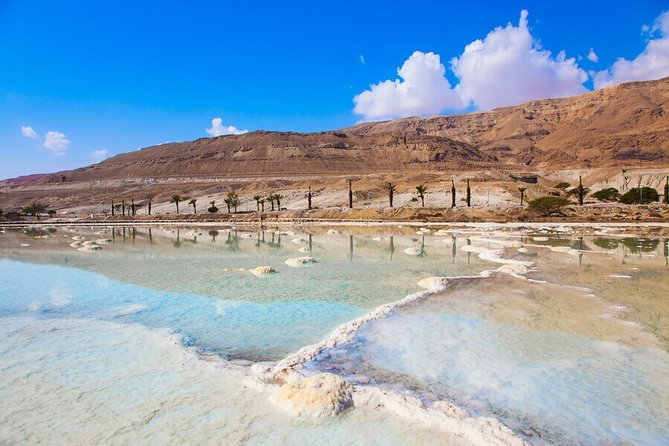
- The Dead Sea is the trip’s easiest pleasure: You get about two hours to float, use mineral mud, and enjoy the salt-rich water.
- The hotel is the weak link: The included overnight stay can be central and pleasant, but some bookings have used a mediocre property with poor food and noise.
- Expect a busy coach tour: The maximum is listed as 40 people, although one account described a group of about 50 on the second day.
Why this two-day route works from Tel Aviv
At $360 per person, this is not a budget day trip. But the price covers round-trip coach transport from Tel Aviv, a professional guide, one night in Jerusalem, breakfast, and admission to Masada and the Dead Sea facilities. For a short visit, that can be useful value because the tour links places that are awkward to combine independently in only 48 hours.
I especially like the route’s range. You move from Jerusalem’s crowded stone lanes to Bethlehem’s major Christian shrine, then from ancient fortifications above the desert to the buoyant water of the Dead Sea. Few short excursions give you such a sharp change of mood.
The tradeoff is pace. You are not getting a slow, thoughtful Jerusalem visit with long pauses in courtyards or time to browse every lane. You are getting the major sights, a guide’s explanation, and a practical way to cover a lot of ground.
The tour starts at about 7:15 a.m. Hotel pickup and drop-off are included, though the exact pickup arrangement should be checked carefully when booking. The itinerary order can change, and the operating company is Bein Harim Ltd, even though the booking may be made through another platform.
More Dead Sea day trips:
- From Tel Aviv: Masada & Dead Sea Full Day Tour with Pick Up
★ 4.5 · 1,496 reviews - Masada and the Dead Sea Day Trip from Tel Aviv
★ 4.5 · 1,014 reviews - From Tel Aviv: Masada, Ein Gedi & Dead Sea Tour
★ 4.2 · 705 reviews
Mount Scopus and the first view of Jerusalem
The day begins with a stop at Mount Scopus National Botanical Garden, where you can look across toward Jerusalem’s Old City. The stop lasts about 30 minutes and has no separate admission charge.
This is a smart opening. Jerusalem can feel confusing at street level, with religious buildings, markets, walls, and narrow lanes all packed together. From above, you get a basic map in your head before walking into the Old City.
The route then takes you past the Garden of Gethsemane, the Church of All Nations, and the Kidron Valley. These are brief viewing stops rather than extended visits, so keep your expectations realistic. You will see the setting and hear the guide explain its importance, but you may not have time to linger.
This part of the morning also begins the tour’s religious focus. Dress appropriately from the start, not just for Bethlehem. Shorts can lead to refused entry, and both men and women should have knees and shoulders covered at places of worship and selected museums.
Walking the Old City of Jerusalem
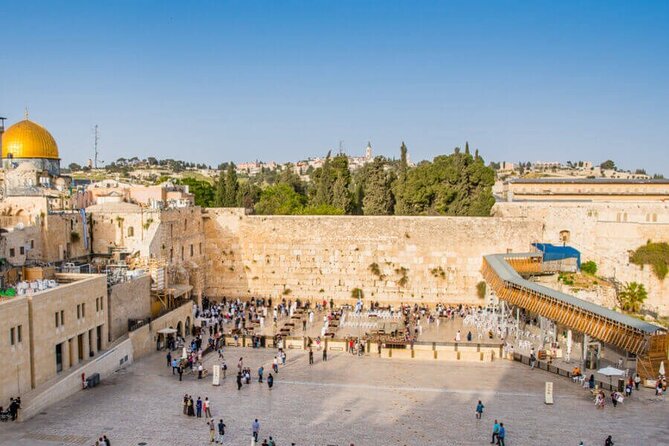
The Old City visit lasts about two and a half hours, which sounds generous until you consider how many areas are included. You walk through the Jewish Quarter, see the Byzantine Cardo, visit the Western Wall, pass through the Christian Quarter, follow sections of the Via Dolorosa, and enter the Church of the Holy Sepulchre.
I like the way this gives you a useful first orientation. The Byzantine Cardo offers a glimpse of Jerusalem’s Roman-era street plan, while the Western Wall remains one of the city’s most important Jewish sites. At the Christian Quarter, the route follows the Via Dolorosa toward the Church of the Holy Sepulchre, a place of enormous importance to many Christian visitors.
The limitation is time. The lanes can be crowded, and the group may need to stop often so everyone can hear the guide. One account described a large group with explanations repeated in two languages, which made the Jerusalem portion drag. If your group is full, stay close to the guide and listen for meeting-point instructions.
The Church of the Holy Sepulchre can also be difficult on major religious holidays. During Orthodox Easter, the crowds may become intense, with long waits and little room to move. That does not make the site less important, but it can change the experience from quiet reflection to careful crowd management.
Some people also wanted more free time in the Old City bazaars. Shopping stops have been part of the route for some departures, and one person found the amount of shopping frustrating. If you want time for independent browsing, ask the guide early when you will have it, and do not assume every minute in the Old City is free time.
Bethlehem and the Church of the Nativity
After Jerusalem, the tour continues to Bethlehem, described as the birthplace of Christ. The visit lasts about two hours and includes Manger Square and the Church of the Nativity, with a possible visit to St. Catherine’s Church.
Bethlehem adds an important dimension to the day. You are not simply seeing another church. You are visiting a Palestinian city with its own setting, checkpoints, tour procedures, and religious traditions. The trip requires a current valid passport, so do not leave it at your hotel.
The Church of the Nativity is the main attraction. The exact amount of time inside can depend heavily on queues. One scheduled church visit is listed at about 40 minutes, but the wait to see the traditional birthplace can be much longer. On one departure, a guide offered a paid way to move through the line, which caused understandable discomfort. I would clarify any optional payment before agreeing to it.
The Milk Grotto may also be skipped if the line is several hours long. That is one of the realities of a tightly timed group tour: the guide must protect the rest of the day, even when a listed stop cannot be reached.
St. Catherine’s Church is conditional, and its admission is not included. The tour does not promise that every small religious site will be open or visited. Think of Bethlehem as a guided introduction, not a full independent exploration.
More Bethlehem and West Bank tours:
- From Tel Aviv: Jerusalem and Bethlehem Guided Day Trip
★ 4.3 · 1,316 reviews - Tel Aviv: Jerusalem, Bethlehem & Dead Sea
★ 4.0 · 881 reviews - Day Tour to Jerusalem and Bethlehem from Tel Aviv
★ 4.5 · 720 reviews - Jerusalem, Dead Sea, and Bethlehem from Tel Aviv
★ 4.0 · 299 reviews
The overnight stay in Jerusalem
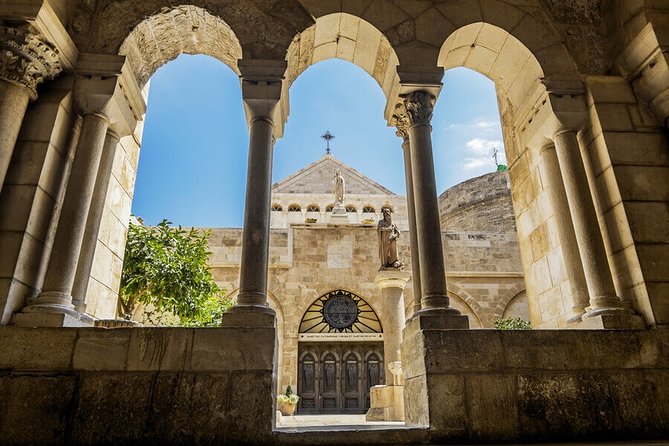
The included hotel night sounds like a major benefit, and it can be. A central boutique hotel made the second half of the day easy for some people, with restaurants nearby and a pleasant setting.
But the hotel assignment is not consistent enough to take for granted. Several accounts describe a property that was noisy, poorly maintained, or far from useful evening options. The Prima Park Hotel was specifically criticized for weak breakfast and dinner quality, room noise, and a temporary television outage.
This matters because the tour costs $360. If you would normally choose your own hotel, the package may feel less attractive. You might prefer booking the Jerusalem and Dead Sea portions separately, especially if hotel comfort is important to you.
Dinner is not included, and food and drinks are generally your responsibility unless stated otherwise. If you receive a hotel away from central Jerusalem, ask about nearby food options before the evening ends. The included breakfast is useful for an early departure, but do not book this package expecting a refined hotel stay.
Masada and the desert morning
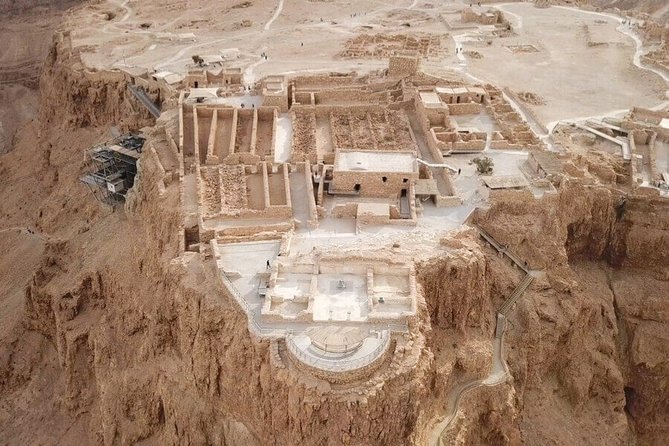
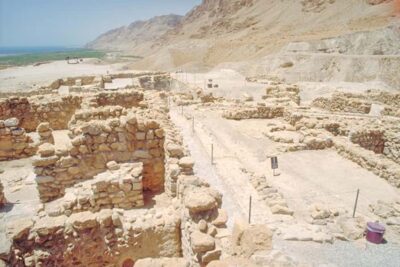
Day two heads into the Judean Desert. The route passes the Good Samaritan Inn and may include views toward Ein Gedi and the Qumran area, where the Dead Sea Scroll caves are located. The published route also lists Herod’s Palace, or Herodium, for about 30 minutes, while the main tour description emphasizes Qumran. Since the order and exact stops can change, confirm the day’s plan with your guide.
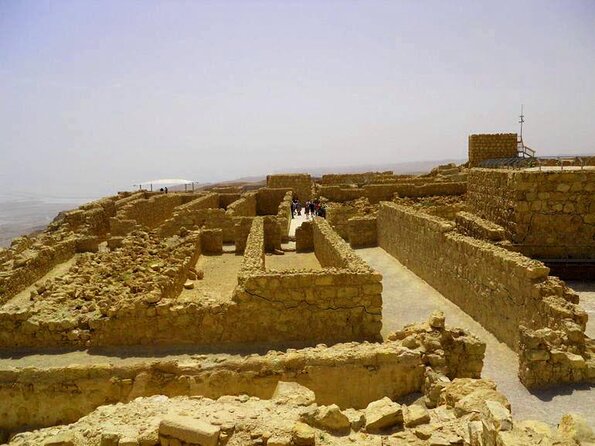
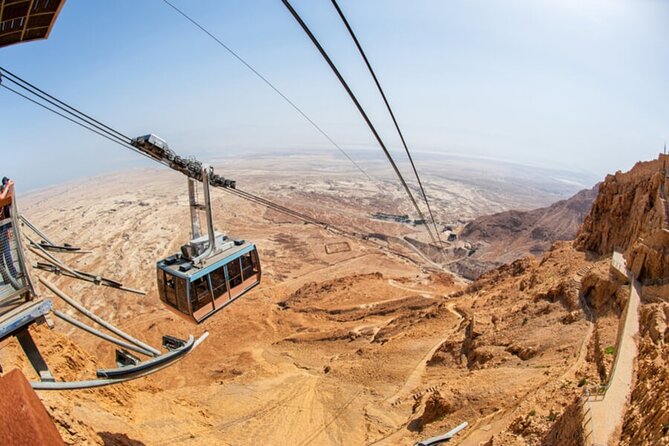
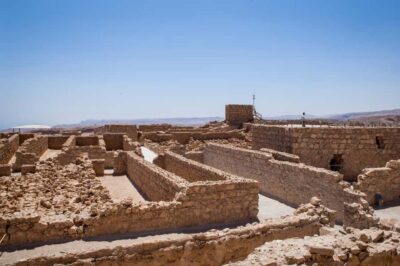
Masada is the strongest historical stop on day two. The ancient fortress sits high above the desert, and the included cable-car ride saves you the hard climb. You get about two hours at Masada National Park, enough to explore the ruins and hear about the site’s connection with Herod and the later Jewish revolt.
You do not need to be an archaeology specialist to enjoy Masada. The setting does much of the work. From the top, the desert opens in every direction, and the remains of palaces, walls, and other structures show how a fortified mountaintop could function as both residence and refuge.
The cable car is a real value point because admission is included. Still, two hours can pass quickly once you account for boarding, the ride, the guide’s talk, and walking between ruins. Stay aware of the meeting time, especially if the group splits between people who want a detailed explanation and those who prefer to explore on their own.
The second-day guide may not be as consistent as the first. Some people praised an enthusiastic guide with long hair, while another found the guide tired and repetitive. The site itself remains worth seeing, but your enjoyment will depend partly on how much freedom you receive after the main explanation.
The Dead Sea, mud, and floating time
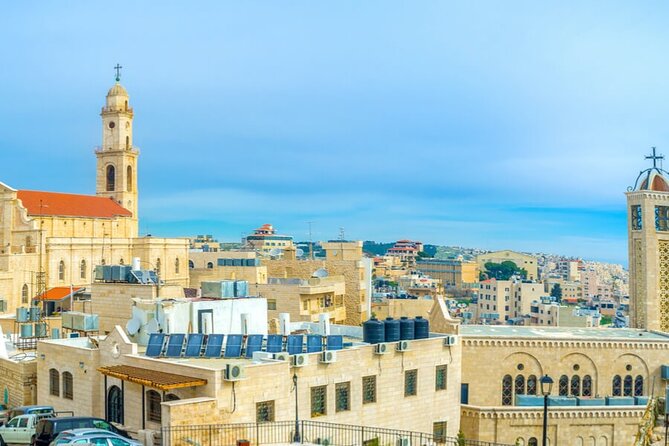
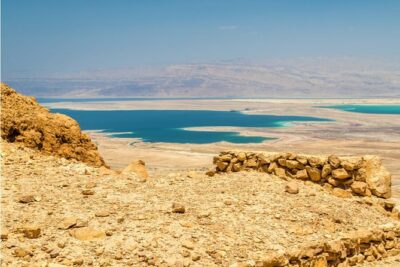
After Masada, the coach continues toward the Dead Sea. The stop lasts about two hours and admission is included. This is the most playful part of the tour, but it still requires care.
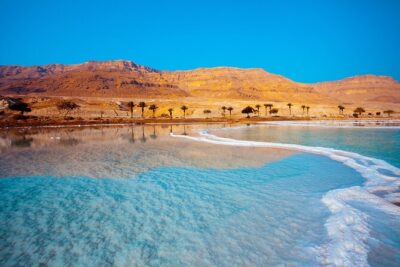
The water is so salt-rich that you can float with very little effort. Do not shave immediately before this visit, and avoid getting the water in your eyes or on cuts. The tour information recommends bringing a bathing suit, towel, hat, and sun protection. Those items are easy to forget when you leave Tel Aviv, so pack them in your day bag rather than your checked luggage.
Mineral mud is part of the experience. You can cover yourself, rinse off, and spend time in the water. The stop is not simply a photo break. Two hours gives you a fair chance to try the mud, float, dry off, and change before returning to the coach.
The amount of actual Dead Sea time can shrink if the morning runs late. One account complained of long pickup and shopping delays that left little time at the water. A larger group also takes longer to organize at changing areas and meeting points. If floating is your main goal, keep an eye on the clock and move directly to the water after changing.
Guides, groups, and the rhythm of the tour
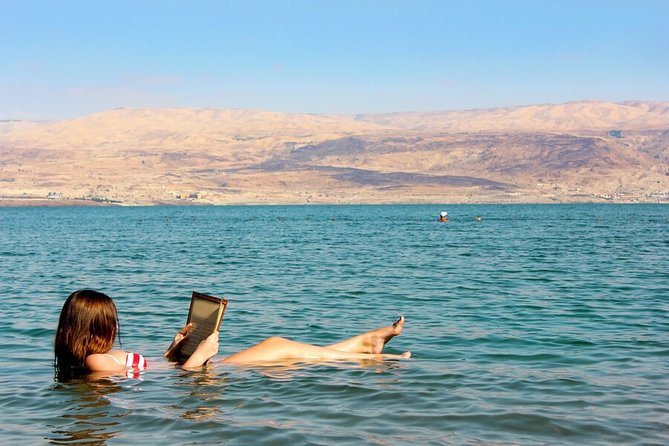
The guide can make or break this experience. Positive accounts singled out Ami, Eli, Eyal, Rikki, Ron, and a guide identified as David. Their strengths included clear storytelling, humor, practical help, and the ability to adjust the schedule when needed. Ami was even praised for helping someone catch a flight.
The tour may use different guides on the two days. It may also involve changing buses, particularly when different departures or language groups are combined. This does not happen on every departure, but you should be prepared for a coach-tour system rather than one small group traveling together from start to finish.
The listed maximum is 40 people, although one day was described as having about 50. A large group works well on the highway and at broad outdoor sites, but it is less comfortable in the Old City’s tight lanes and at busy churches.
This is also a multilingual operation on some departures. Repeated explanations can slow the schedule, especially when the guide must speak in two languages. A small-group or private option would give you more control, but it would also cost more.
Is $360 a fair price?
The value depends on what you want to avoid. The package removes the need to arrange long-distance transport, find a Jerusalem hotel, plan a Bethlehem visit, organize Masada admission and the cable car, and locate a Dead Sea bathing facility. For a first visit with only two free days, that convenience has real worth.
The price looks less appealing if you dislike fixed schedules, shopping stops, large groups, or hotel surprises. You may get better control by booking Jerusalem with a guide separately, choosing your own overnight stay, and taking a dedicated Masada and Dead Sea day trip.
I would not choose this tour mainly for luxury. I would choose it for reach. It lets you see the major sights quickly, and several people felt it was safer and easier than renting a car and managing the route themselves.
Who should book this experience?
I would recommend it to a first-time visitor who wants a broad introduction and has limited time. It suits you if you value transport and guiding more than long meals, quiet museum visits, or spontaneous wandering.
It is also a good fit if Bethlehem is essential to your plans. Reaching the city with a tour simplifies the practical side, though you still need your passport and modest clothing.
I would hesitate if you are sensitive to hotel quality, dislike group travel, or want substantial time in Jerusalem’s markets. Families should note that the tour is not suitable for children under four. Most other people can participate, but you should be ready for a fair amount of walking and wear comfortable shoes.
The cancellation terms are strict close to departure: a full refund requires cancellation at least six full days ahead, a 50 percent refund applies two to six days before departure, and cancellations within two days are nonrefundable.
Should you book the two-day Israel tour?
Book it if your priority is seeing Jerusalem, Bethlehem, Masada, and the Dead Sea in a short window, with transport and a guide already arranged. The route is ambitious, and the best moments are genuinely memorable: the first view over Jerusalem, the Church of the Holy Sepulchre, Masada’s mountaintop ruins, and the strange ease of floating in the Dead Sea.
I would book with two conditions in mind. First, accept that the hotel may be merely functional, not a highlight. Second, prepare for a busy operation with possible shopping stops, bus changes, and less time at some sites than the schedule suggests.
If you want comfort and control, choose separate day tours or a smaller private trip. If you want the largest possible sample of Israel’s major sights for a two-day visit, this package remains a practical choice, provided you pack light, dress properly, carry your passport, and keep your expectations focused on sightseeing rather than relaxation.
FAQ
How long is the tour?
The experience lasts approximately two days and includes one overnight stay in Jerusalem.
What time does the tour start?
The stated start time is 7:15 a.m. Hotel pickup is included.
Is hotel accommodation included?
Yes. One night of overnight accommodation in Jerusalem is included, along with breakfast on the second day.
Do I need a passport for Bethlehem?
Yes. A current valid passport is required to visit Bethlehem.
Is the Masada cable-car ride included?
Yes. Admission to Masada National Park is included, and the itinerary includes a cable-car ascent.
What should I bring for the Dead Sea?
Bring a bathing suit, towel, hat, and sun protection. The tour includes time to float and use Dead Sea mud.
Just added in Tel Aviv
- Wine Tour North of Israel from Tel Aviv★ 5.0 · 2 reviews
- private Full-day Tour to Jericho + the Dead Sea★ 5.0 · 3 reviews
- private Full-Day Tour to Bethlehem and Jerusalem★ 5.0 · 2 reviews
- Private wine tour of Northern Israel★ 5.0 · 4 reviews
- Privet Pickup from Tel Aviv Hotels to the Airport★ 5.0 · 1 review
- VIP Tel Aviv airport Terminal 3 Fast Track Skip Line From plane★ 4.5 · 9 reviews
- Package VIP Skip Line Services in BGN Airport with Transfer to Tel aviv Hotels★ 5.0 · 3 reviews
- Private Transfer from Ben Gurion Airport to Tel Aviv, Bat Yam, Rishon LeZion★ 5.0 · 2 reviews
Masada and Ein Gedi Tours, compared.
Masada & Dead Sea Full Day Tour with Pick Up
Read our review →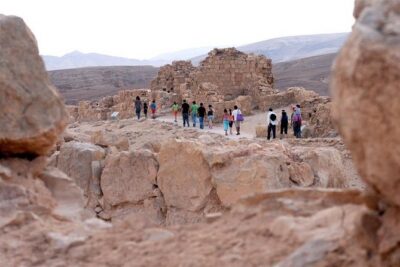
Masada and the Dead Sea Day Trip from Tel Aviv
Read our review →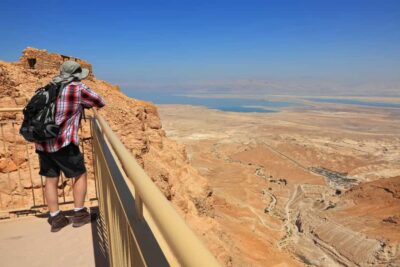
Masada and the Dead Sea Day Trip from Jerusalem
Read our review →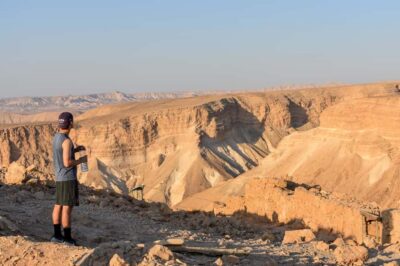
Masada, Ein Gedi, and The Dead Sea from Tel Aviv
Read our review →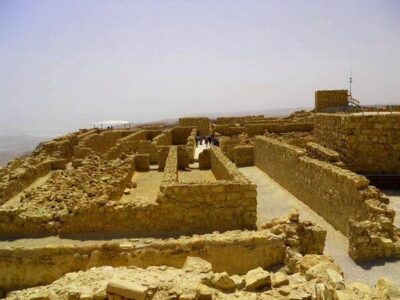
Masada, Ein Gedi and The Dead Sea from Jerusalem
Read our review →Browse the lists this tour appears in