
Reviewed · PETRA AND WADI RUM FROM ISRAEL
2-Day Petra Tour from Tel Aviv
Petra is worth the border hassle. This fast-moving trip packs Petra and Jerash into two days, with Mount Nebo, Madaba, Shobak Castle, Amman, and a night at a Bedouin-style camp along the way. I like the ready-made transport and the fact that entrance fees, meals, guiding, and accommodation are bundled together. I also like the desert night, which gives the trip more character than a simple day visit.
The main drawback is time. You spend only about six hours at Petra, while the border crossings can take several hours and the first day includes a long run through Jordan. At $430 per person, the tour offers solid value for a short visit, but you need to accept early mornings, a large group of up to 47 people, and a tightly packed schedule.
In This Review
- Key points at a glance
- Is $430 a fair price for two days?
- Leaving Tel Aviv at 6:30 a.m.
- King Hussein Bridge: the first test of patience
- Mount Nebo and Madaba: a thoughtful first afternoon
- Shobak Castle on the road south
- Wadi Musa and the Bedouin desert camp
- Petra in six hours: what to see first
- Returning through Jordan and Israel
- Meals, transport, and daily comfort
- Who should book this Petra trip?
- Final verdict: book it for access, not leisure
- FAQ
- How long is the tour?
- How much time is spent at Petra?
- Are meals included?
- Are entrance fees included?
- What border taxes must I pay?
- Do I need a visa for Jordan?
- What should I bring?
Key points at a glance
- Petra gets about six hours: Enough for the Siq, Treasury, major tombs, and selected viewpoints, but not every trail.
- The Bedouin camp is a highlight: Dinner around a campfire, desert scenery, and an overnight stay make the journey feel like more than a transfer.
- Border crossings take patience: Allow for delays, checkpoints, and separate Israeli and Jordanian taxes.
- Several major sights fit into two days: Mount Nebo, Madaba, Shobak Castle, Petra, Jerash, and a driving tour of Amman are included in the wider plan.
- Guides shape the experience: Guides named Mahdi and Abdullah received especially warm praise for their care, information, and extra effort.
- Pack for heat and cold: Comfortable shoes, sun protection, water, a scarf or shawl, and warm clothes for the desert night are required.
Is $430 a fair price for two days?
The $430 price looks reasonable for what is included. You receive transport in an air-conditioned vehicle, guiding, entrance fees, breakfast, dinner, two lunches, and a night at a Bedouin-style campsite. You are also paying for a complicated cross-border arrangement, which is not the same as buying a simple Petra admission ticket.
The important phrase is what is included. Israeli border taxes cost 196 ILS, and Jordanian border taxes cost 50 JOD in cash. Those charges are extra, along with personal insurance, drinks, and gratuities. Build them into your real budget before booking.
This trip is also priced for convenience. You do not need to arrange separate Jordanian transport, find a camp, buy site tickets, or piece together the route from Tel Aviv. For a two-day visit, that saves time and removes a fair amount of planning.
Still, value depends on your travel style. If you want long walks at Petra, quiet time at each ruin, or several days in Jordan, this schedule will feel too short. If you have limited time and want to see several headline sites without arranging the border details yourself, the price is easier to justify.
More Petra and Wadi Rum trips:
- 2 Day Tour to Petra and Wadi Rum from Tel Aviv
★ 4.0 · 154 reviews - Day Tour to Petra by Bus from Tel Aviv
★ 3.5 · 149 reviews - 3-Day Petra and Wadi Rum Tour from Tel Aviv
★ 4.5 · 72 reviews
Leaving Tel Aviv at 6:30 a.m.
The meeting point is Abraham Tel Aviv on HaRakevet Street, with departure at 6:30 a.m. That early start is not decorative. The route covers a lot of ground, and the border crossing can be slow.
The vehicle is air-conditioned, an important comfort in Jordan’s heat. The tour can carry up to 47 people, so expect a coach-style group rather than a private outing. That larger format helps keep the price down, but it can also make headcounts, border transfers, and group movement slower.
Tel Aviv itself is only the starting point. You will not have sightseeing time in the city during the tour, so treat the meeting point as a practical pickup location rather than part of the program.
King Hussein Bridge: the first test of patience
The King Hussein Bridge crossing connects the route from Israel into Jordan. The crossing is a real part of the experience, not a quick formality. You may face several checkpoints, waiting periods, document checks, and changes in transport arrangements.
The scheduled crossing time is about one hour on the way into Jordan and about two hours on the return. Actual timing can vary, so keep your plans flexible. One useful practical detail is currency: Israeli border taxes can be paid in Israeli shekels, euros, or US dollars, by cash or card. Jordanian border taxes must be paid in Jordanian dinars, in cash only.
Currency exchange is available on the Israeli side. The exchange rate there may not be attractive, so avoid changing more money than necessary. Have the required cash ready before you reach the Jordanian side.
You must carry your original passport, not a copy. Visa rules depend on nationality. Some nationalities receive a visa at the border, while others must arrange one in advance. You also need to confirm that you can re-enter Israel, either through eligibility for a visa on arrival or with a multiple-entry visa already arranged.
Israeli passport holders cannot take this tour, even if they also hold another passport. Religious clothing or objects can cause issues at the border, so ask about them before departure if they apply to you. Jordan also forbids drones, telescopes, and telephoto cameras with zoom lenses above 1000mm.
Mount Nebo and Madaba: a thoughtful first afternoon
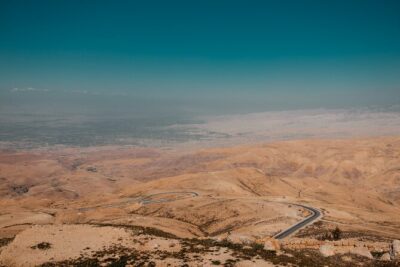
Mount Nebo gives the first strong scenic and spiritual stop in Jordan. From the summit, you can look across the Jordan Valley, the Dead Sea, and distant hills toward Jerusalem. The visit is scheduled for about an hour, enough to take in the view and reflect on the site’s connection with Moses and the Promised Land.
This is not a long hike, but you should still wear comfortable shoes. The value of Mount Nebo is its setting and meaning rather than a long list of objects to see. It gives the day a quieter pause after the crossing.
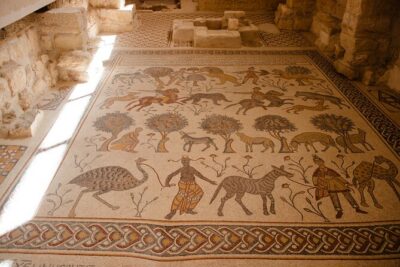
Madaba follows with a different kind of attraction. The city is known for ancient mosaics, especially the sixth-century Madaba Map, which depicts the Holy Land. The stop is also about an hour, so you will get a focused introduction rather than an extended museum visit.
I like this pairing because it keeps the first day from becoming a nonstop ruin count. Mount Nebo offers broad views and religious context, while Madaba brings you close to detailed artwork. If you prefer slow cultural visits, the one-hour limits may feel brisk.
More things to do in Tel Aviv:
- From Tel Aviv: Masada & Dead Sea Full Day Tour with Pick Up
★ 4.5 · 1,496 reviews - From Tel Aviv: Jerusalem and Bethlehem Guided Day Trip
★ 4.3 · 1,316 reviews - Masada and the Dead Sea Day Trip from Tel Aviv
★ 4.5 · 1,014 reviews - Tel Aviv: Jerusalem, Bethlehem & Dead Sea
★ 4.0 · 881 reviews
Shobak Castle on the road south
Shobak Castle sits on a rough hilltop and recalls the era of crusaders and fortified routes. You can explore walls, towers, corridors, and viewpoints over the surrounding valleys. The planned visit lasts about an hour, and entrance is included.
This stop works well as a break during the long drive south. It is less polished and less famous than Petra, which can make the experience feel more immediate. You are walking through a fortress rather than simply taking a photograph from outside.
The downside is that the castle adds another stop to an already demanding day. If the border crossing runs late, time at one or more sites could be shortened. The route is rewarding, but you should not expect every visit to unfold at a leisurely pace.
Wadi Musa and the Bedouin desert camp
The drive toward Wadi Musa takes about four hours in the stated schedule. This is the long middle stretch of Day 1, with rugged mountains, deep valleys, villages, sandstone cliffs, and Bedouin camps along the route.
You will spend much of this time in the van, so the air conditioning matters. Bring water, a scarf or shawl, and sun protection. The scenery helps, but this is still a transfer, not a scenic train ride with frequent stops.
The overnight camp is one of the strongest parts of the trip. Accommodation is in a Bedouin-style campsite, with dinner around a campfire. The setting includes desert rock formations and open views, and the food received particularly strong praise, with one account calling the meal exceptional.
Do not pack only for daytime heat. Warm clothing is specifically required for the night. Solo visitors may need to share a room with a person of the same gender, depending on group size. That arrangement is worth knowing before you book.
Guides can make a big difference here. Mahdi received repeated praise for his information, kindness, and personal attention. Abdullah was also credited with going beyond the basic schedule to help make the trip memorable. One guide even arranged a special birthday gesture for an 11-year-old guest after learning about the occasion. Those details suggest a team that pays attention when the group’s needs are clear.
Petra in six hours: what to see first
Day 2 gives you about six hours at Petra. That sounds generous until you see the scale of the site. Petra is not one monument beside a parking area. It is a large archaeological area reached through a narrow gorge, followed by a long route among tombs, temples, viewpoints, and carved facades.
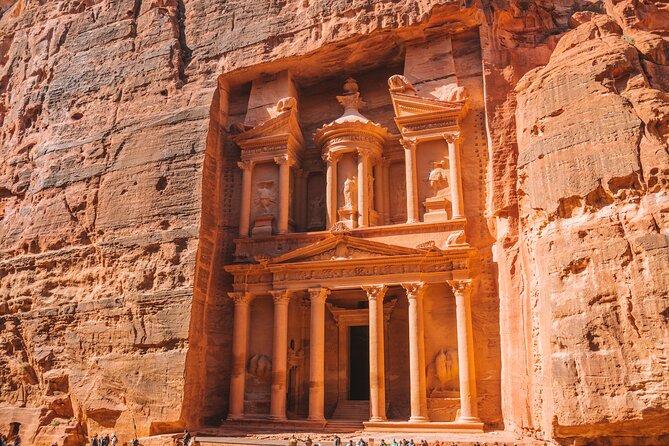
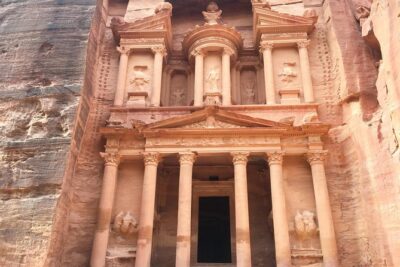
Your entrance begins through the Siq, a narrow passage between tall rock walls. The walk builds anticipation because the Treasury appears ahead through the gorge. That first sight is the emotional center of the visit, but it is only the beginning.
Once you reach the Treasury, make sure you allow time for the Royal Tombs, the Great Temple, and the central ruins. The Monastery is another major destination, but reaching it requires a substantial uphill walk. The High Place of Sacrifice also involves a climb and gives broad views over Petra.
You cannot comfortably cover every major route in six hours, especially if you stop for photographs, listen to guiding, or walk at a measured pace. Decide early what matters most. If the Treasury and central city are your priority, you can enjoy them without turning the day into a race. If you want the Monastery and High Place of Sacrifice as well, expect a more physical outing.
A moderate fitness level is required. Comfortable shoes are essential, and water matters. The combination of uneven ground, sun, distance, and stairs makes Petra more demanding than a casual city sightseeing stop.
The guide is useful here because the carved facades can blur into a long sequence of stone if you do not know what you are seeing. Strong guides such as Mahdi or Abdullah can add context and help the group use limited time wisely.
Returning through Jordan and Israel
After Petra, the trip begins the return journey to the King Hussein Bridge. The return crossing is listed at about two hours, though border procedures can take longer. This is the part most likely to test your patience after a full day of walking.
The tour ends back at the Tel Aviv meeting point. Do not schedule a flight, important appointment, or fixed evening reservation too closely after the expected return. The border process is outside the guide’s complete control, and delays are a normal possibility on this route.
The crossing also gives the journey a useful regional perspective. You move between two countries with different entry rules and border systems, and the process itself shows how much preparation is needed for a short visit to Jordan from Israel.
Meals, transport, and daily comfort
Breakfast, dinner, and two lunches are included. Other food and drinks are not, so keep money for snacks, bottled drinks, and anything beyond the supplied meals.
The air-conditioned vehicle is a practical strength. Much of the first day is spent driving, and the heat can be tiring after the border crossing. The vehicle cannot remove the long hours on the road, but it makes them more manageable.
The tour also includes a custom travel app for smartphones and tablets. That can be useful for keeping itinerary details in one place, though it does not replace your passport, cash, water, or a basic paper backup of key information.
The schedule may change during Muslim holidays, especially Ramadan, when some sites can close or operate for shorter hours. Check the timing before you commit to fixed onward plans.
Who should book this Petra trip?
I would recommend this tour to you if Petra is a major priority and you have only two days available from Tel Aviv. It suits people who prefer a planned route, want several Jordanian sights in one trip, and do not want to arrange transport and border connections alone.
It is also a good match if you value the overnight camp. The desert dinner and rock formations add a cultural and scenic element that a simple Petra day trip would miss.
I would hesitate if you dislike early starts, long drives, border delays, or group travel. The 47-person maximum is significant, and the schedule leaves little room for lingering. It is also not ideal if you need a relaxed Petra visit with time for every trail.
Final verdict: book it for access, not leisure
This is a strong short tour with one clear compromise: you trade freedom and extra time for convenience. The route gives you Petra, Jerash, Amman, Mount Nebo, Madaba, Shobak Castle, meals, entry fees, and a desert overnight stay without requiring you to organize the complicated pieces yourself.
I would book it if your goal is to see the major highlights efficiently and you can handle the border process with patience. Bring the correct passport, Jordanian cash, warm night clothes, sturdy shoes, water, and realistic expectations. You will not see every corner of Petra, but you can have a memorable first encounter with the city and a much fuller taste of Jordan than a single-site excursion provides.
FAQ
How long is the tour?
The experience lasts approximately two days and begins at 6:30 a.m. from Abraham Tel Aviv on HaRakevet Street.
How much time is spent at Petra?
The scheduled visit at Petra lasts about six hours.
Are meals included?
Yes. Breakfast, dinner, and two lunches are included. Other food and drinks are not included.
Are entrance fees included?
Yes. Entrance fees are included, including the stated admission for Shobak Castle.
What border taxes must I pay?
Israeli border taxes cost 196 ILS. Jordanian border taxes cost 50 JOD and must be paid in Jordanian cash. Israeli border taxes can be paid in ILS, euros, or US dollars by cash or card.
Do I need a visa for Jordan?
Visa requirements depend on your nationality. Some nationalities receive a visa at the border, while residents of some countries must apply in advance. You should also confirm that you are eligible to re-enter Israel.
What should I bring?
Bring your original passport, comfortable shoes, a hat, sunscreen, a scarf or shawl, warm clothes for the night, and drinking water. Drones, telescopes, and telephoto cameras with zoom lenses above 1000mm are forbidden in Jordan.
Just added in Tel Aviv
- Wine Tour North of Israel from Tel Aviv★ 5.0 · 2 reviews
- private Full-day Tour to Jericho + the Dead Sea★ 5.0 · 3 reviews
- private Full-Day Tour to Bethlehem and Jerusalem★ 5.0 · 2 reviews
- Private wine tour of Northern Israel★ 5.0 · 4 reviews
- Privet Pickup from Tel Aviv Hotels to the Airport★ 5.0 · 1 review
- VIP Tel Aviv airport Terminal 3 Fast Track Skip Line From plane★ 4.5 · 9 reviews
- Package VIP Skip Line Services in BGN Airport with Transfer to Tel aviv Hotels★ 5.0 · 3 reviews
- Private Transfer from Ben Gurion Airport to Tel Aviv, Bat Yam, Rishon LeZion★ 5.0 · 2 reviews
Petra and Wadi Rum from Israel, compared.
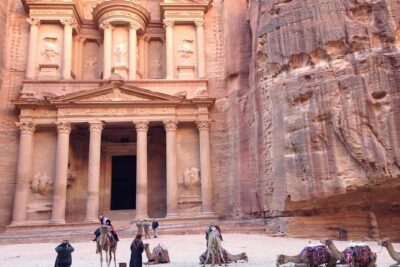
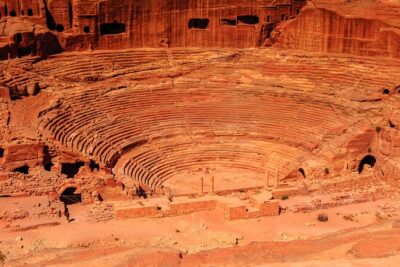
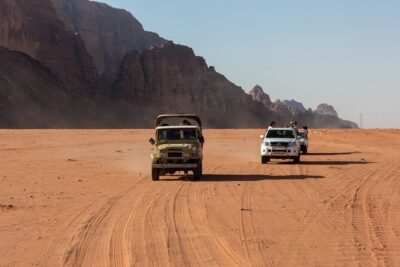
2 Day Tour to Petra and Wadi Rum from Tel Aviv
Read our review →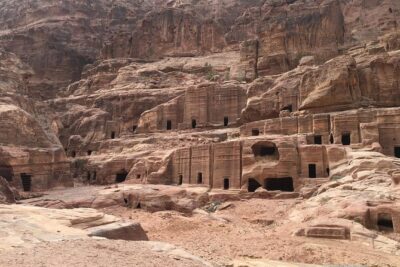
Browse the lists this tour appears in