
Reviewed · DEAD SEA DAY TRIPS
Ashdod Shore Excursion: Jerusalem and Dead Sea – for cruise ship guests only
The Holy Land in one long day. This shore excursion links Jerusalem’s major Christian and Jewish sites with the strange pleasure of floating in the Dead Sea, making it a strong choice when your ship gives you only one day in Israel. I like the wide range of sights and the chance to see both Jerusalem and the Dead Sea without arranging separate transport. I also like that guides such as Maralite, Dikla, Erez, Ryan, and Diqua have earned praise for clear explanations, good energy, and attentive service.
The catch is simple: this is a fast, demanding day. You may walk steep streets, stairs, narrow lanes, and uneven cobblestones, then spend hours on the road. The schedule can also change because of traffic, security, religious holidays, crowds, opening times, or late passengers.
In This Review
- Key points at a glance
- One day from Ashdod, two very different Israels
- Mount of Olives: Jerusalem opens below you
- Gethsemane and the Mount of Olives sites
- Entering through Jaffa Gate and walking the Jewish Quarter
- Christian Quarter, Holy Sepulchre, and the Via Dolorosa
- The Arab market: a short taste of Old City life
- The Dead Sea: an hour and a half of floating
- Lunch, snacks, and the cost of a full day
- Timing, traffic, and the risk of a rushed afternoon
- Walking demands and what to pack
- What the guide can change
- Should you book this Ashdod excursion?
- FAQ
- How long does the Ashdod shore excursion last?
- Where does the tour start and end?
- Is the Dead Sea entrance fee included?
- What should I wear for the tour?
- How much walking is involved?
- What happens if the itinerary changes?
Key points at a glance
- Jerusalem’s essential sights in one route: Mount of Olives, Gethsemane, Mount Zion, the Western Wall, Via Dolorosa, Church of the Holy Sepulchre, and the Arab market.
- The Dead Sea adds a completely different experience: You can float in mineral-rich, hyper-saline water and cover yourself with therapeutic mud.
- Expect a walking tour, not a gentle sightseeing ride: Stairs, slopes, narrow lanes, and cobblestones are part of Jerusalem’s Old City.
- The guide makes a major difference: Strong guides have been praised for blending Hebrew and Christian perspectives, while weaker guiding has led to skipped stops and rushed visits.
- Budget extra money: Dead Sea beach facilities cost about $12 per person according to the tour details, and food and drinks are not included.
- Cruise timing matters: The tour begins at 8:00 a.m., lasts about 8 to 10 hours, and is designed to return you to Ashdod Port.
One day from Ashdod, two very different Israels
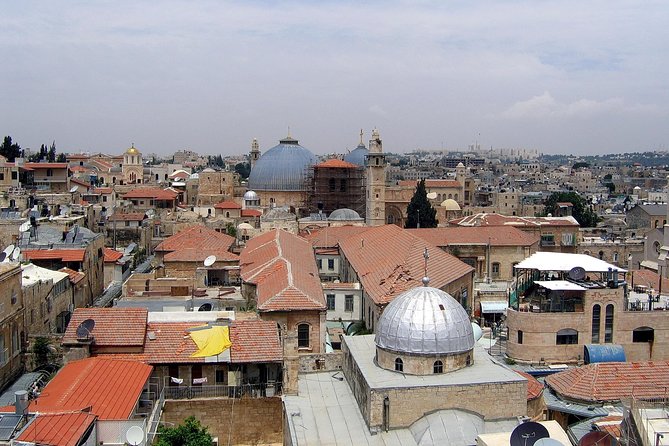
The appeal here is variety. In the morning, you are looking across Jerusalem from the Mount of Olives and following religious routes through the Old City. Later, you are at the lowest point on Earth, floating in water so salty that swimming feels more like balancing.
That variety comes at a cost. Jerusalem and the Dead Sea are not next door to each other, and the drive between Ashdod, Jerusalem, and the Dead Sea uses much of the day. You get an overview rather than a leisurely visit.
The tour is offered only for cruise ship passengers, with pickup and return at Ashdod Port. Transport is by air-conditioned minivan, and the maximum group size is 40 people. Some departures have been much smaller, around 14 to 16 people, which makes the Old City easier to manage, but you should not assume every date will have a small group.
A professional guide and driver are included. The strongest accounts praise guides who kept the group moving while explaining the meaning of each place. Maralite was especially praised for explaining both Hebrew and Christian traditions, including the importance of the Sabbath, while Dikla, Erez, Ryan, and Diqua were singled out for energy, care, or clear explanations.
More Dead Sea day trips:
- From Ashdod Port: Masada and Dead Sea Guided Day Trip
★ 4.4 · 54 reviews - Ashdod Port Shore Excursion: Masada and the Dead Sea Day Tour from Ashdod Port
★ 4.0 · 29 reviews - Ashdod Shore Excursion: Private Jerusalem and Dead Sea Day Trip
★ 5.0 · 8 reviews
Mount of Olives: Jerusalem opens below you
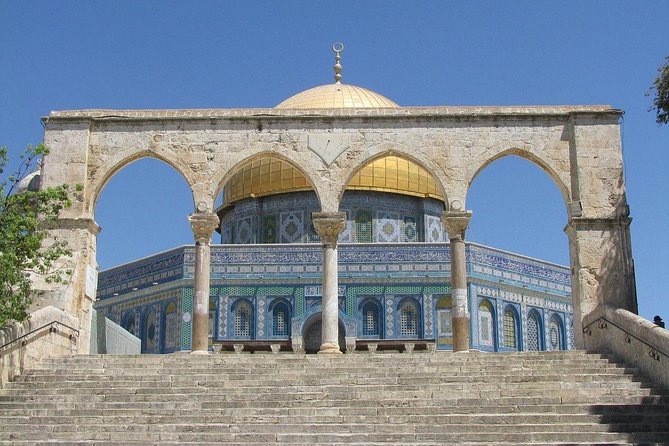
The first stop is the Mount of Olives, with about 20 minutes for the view. From here, you look across the Kidron Valley toward Jerusalem’s Old City, with its walls, domes, and closely packed buildings.
This is a smart place to begin because it gives you a mental map before you enter the lanes. Your guide can point out the main quarters and explain why the Old City matters to several faiths.
Twenty minutes is enough for photographs and a short orientation. It is not enough for a quiet stay, so keep your camera ready and listen while the guide gives the wider context. The viewpoint can also make the walking ahead seem deceptively easy. Jerusalem’s Old City is much more physical than this first stop suggests.
Gethsemane and the Mount of Olives sites
The Garden of Gethsemane follows, with roughly 15 minutes. Christian tradition connects this place with the night Jesus was arrested before his crucifixion.
The stop is brief but emotionally important for Christian visitors. You may have time to look at the garden and listen to the explanation, but not much time for private reflection if the group is on schedule.
The route then moves to Mount Zion, where the listed sights include Dormition Abbey, King David’s Tomb, and the Room of the Last Supper. The planned time is about 15 minutes at Mount Zion and another 15 minutes in the Last Supper room.
These are meaningful sites, but the schedule is tight. Some accounts describe the Last Supper room or Mount Zion as being left out when the day ran late or the guide changed the route. The tour information also warns that stops can change because of accessibility, security, holidays, opening hours, queues, traffic, and other conditions.
If Mount Zion matters most to you, ask the guide early in the day how the route is shaping up. Do not wait until the final hours to ask about a stop you especially want to see.
Entering through Jaffa Gate and walking the Jewish Quarter
Jaffa Gate is your entrance into the Old City, with about 15 minutes here. This is less a stand-alone attraction than the gateway to the main walking portion of the day.
From there, you walk through the Jewish Quarter for about 30 minutes. The strength of this section is the change in atmosphere from the open viewpoint and broad roads outside the walls to the close lanes within them.
The Western Wall comes next, with approximately 15 minutes. This is one of the day’s key moments. You can approach the wall, touch the ancient stones, and observe people praying.
Dress respectfully. The tour specifically recommends clothing that covers shoulders and knees, along with comfortable walking shoes, sunglasses, and a hat. The Western Wall area is a religious site, so your guide will likely explain how the space is divided and used, but allow yourself a little quiet time rather than treating it only as another photo stop.
Fifteen minutes is short, especially if the area is crowded. The schedule does not promise a long period at the wall, so think of this as an introduction rather than an extended visit.
More shore excursions in Ashdod Port:
- Ashdod Shore Excursion: Jerusalem and Bethlehem – for cruise ship guests only
★ 4.5 · 149 reviews - From Ashdod Port: Jerusalem and Bethlehem Day Trip
★ 4.0 · 111 reviews - Ashdod Port Shore Excursion: Jerusalem and Bethlehem Day Tour from Ashdod Port
★ 3.5 · 31 reviews - 2024 Jerusalem & Bethlehem from Ashdod Port Small Groups
★ 5.0 · 30 reviews
Christian Quarter, Holy Sepulchre, and the Via Dolorosa
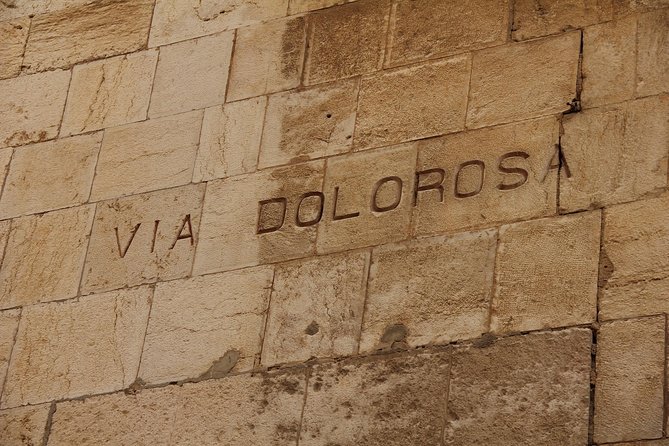
The Christian Quarter receives about 30 minutes. You follow parts of the Via Dolorosa, the route associated with Jesus’s path to crucifixion, for another 20 minutes.
The lanes can be crowded and physically awkward. You may climb steps, squeeze through narrow passages, and adjust your pace around people moving in both directions. Comfortable shoes are not a minor suggestion here. They are the difference between keeping up and spending the afternoon thinking about your feet.
The Church of the Holy Sepulchre is scheduled for about 20 minutes. For many Christian visitors, this is the most important stop in Jerusalem. The church is connected with the crucifixion and burial of Jesus, and its importance is shared by several Christian traditions.
The practical warning is that access may not always go as planned. Security conditions, queues, religious services, or time pressure can affect what you see. One particularly unhappy account described being unable to experience the church as expected, while the operator explained that safety conditions had required a change. That is frustrating, especially if this is your main reason for booking, but it is also why you should treat the itinerary as a planned route rather than an absolute guarantee.
A good guide can make this section memorable by explaining the setting without turning every stop into a long lecture. Several positive accounts praised guides who were educational and entertaining. Other accounts complained that too much time was spent talking at an early stop, leaving less time for Jerusalem or the Dead Sea. Your best hope is a guide who reads the group and keeps the history connected to the places in front of you.
The Arab market: a short taste of Old City life
The Arab market receives about 20 minutes. This is your chance to see the commercial side of the Old City, with shops and stalls lining the narrow route.
Do not expect an extended shopping session. The schedule gives you a quick walk, and one account specifically wished for more time to shop. If you want souvenirs, keep purchases simple and watch the clock. The group cannot wait while you bargain over every item.
This part of the route also gives the day some balance. Jerusalem is not only churches, walls, and sacred sites. It is also a working city, and the market gives you a glimpse of ordinary trade within the historic center.
The Dead Sea: an hour and a half of floating
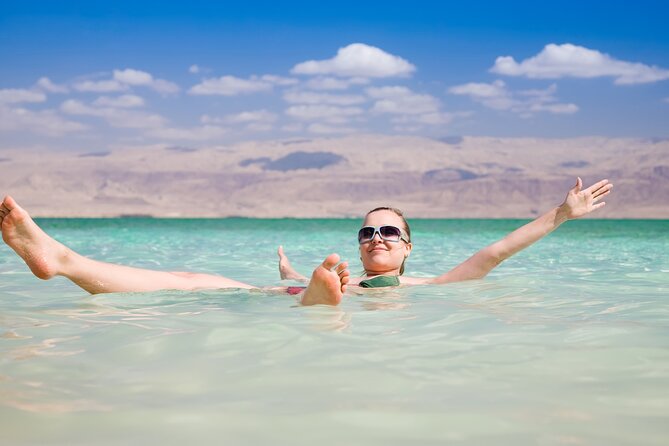
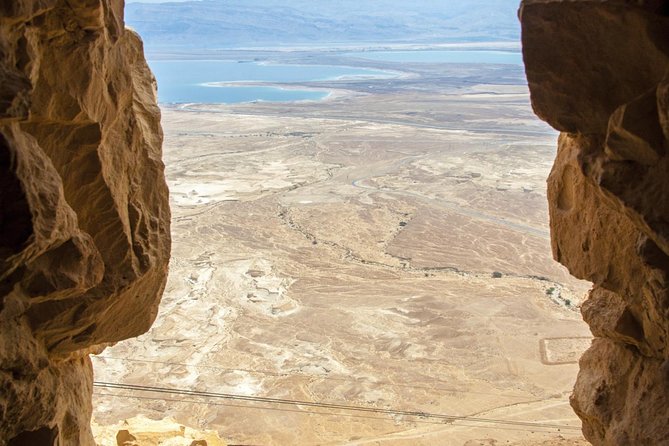
The final major stop is the Dead Sea, with about 90 minutes. You descend to the lowest location in the world and enter water famous for its extreme salt content.
Floating is the main attraction. The water supports your body in a way that feels unusual, and the mineral-rich mud is another classic part of the visit. You can walk along the salt-encrusted shore, apply mud, and bob in the water before rinsing off.
Bring a bathing suit, towel, and water sandals. Sandals are particularly useful because the shore and washing areas may be muddy or uncomfortable underfoot. Avoid shaving immediately before the visit, since salt water can sting irritated skin. That last point is common practical advice for a saltwater stop, but it is not specifically stated in the tour details, so follow any on-site instructions first.
Entry to the Dead Sea beach facilities is not included. The supplied tour information gives an approximate cost of $12 per person. Several accounts describe paying different amounts, including $17 or $20, and one guide reportedly discussed a group rate that was not clearly settled. Bring extra money and ask exactly what the fee covers before handing over cash.
The facilities have drawn mixed reactions. Some accounts call the float a once-in-a-lifetime experience, while others describe muddy washing areas, limited food service, or poorly maintained beach facilities. The tour operator does not control every condition at the beach, but you should still arrive with realistic expectations. The water itself is the star. The changing area may be much less memorable.
Lunch, snacks, and the cost of a full day
Food and drinks are not included. Some groups have been directed toward a cafeteria near the Dead Sea, where buffet meals were described as acceptable but costly, with one account putting lunch at nearly $20 per person.
I would bring food from the ship, especially because the Old City portion is tightly scheduled and the Dead Sea stop may offer limited choices. The operator has also advised people that they may bring a packed meal. Snacks, water, and something quick to eat can save both money and time.
At $125 per person, the tour offers solid value if you want Jerusalem and the Dead Sea in one day and do not want to arrange transport from the port. Cruise ship excursions covering the same broad route can cost considerably more, and one account described this option as about half the cruise price.
The value is less clear if you want long visits at individual sites, a relaxed lunch, or a carefully paced religious pilgrimage. You are paying for access to a difficult combination of places in one day, not for leisurely time in each one.
Timing, traffic, and the risk of a rushed afternoon
The advertised start is 8:00 a.m., and the full day can run 8 to 11 hours depending on docking times and conditions. One account described returning around 7:00 p.m., while another praised the guide and driver for completing the full route and getting back to the ship on time despite a delayed disembarkation.
That flexibility is important for cruise passengers. The operator includes port pickup and drop-off, and guides have waited when passengers were delayed leaving the ship. Still, a late start can have consequences. One group reportedly waited an hour for late passengers, then had to hurry through the sights.
Do not assume the schedule can absorb delays without cutting something. A long explanation at the first stop, heavy Jerusalem traffic, a holiday, a security change, or a late departure can reduce time at Mount Zion or the Dead Sea.
The ship return is the central safety issue. Keep to the meeting instructions, return promptly after each break, and tell the guide at the start if the ship has a strict departure time. The tour includes a worry-free guarantee, but you should still treat punctuality as your responsibility.
Walking demands and what to pack
This is a moderate-activity excursion, not a low-effort panoramic tour. You will walk through Old City quarters, use uneven streets and stairs, and spend much of the day moving between sites.
Pack:
- Good walking shoes with dependable grip
- A hat and sunglasses
- Clothing covering shoulders and knees
- Swimsuit and towel
- Water sandals for the Dead Sea
- Drinking water and snacks
- Cash for beach entry, food, and possible purchases
A stroller may be difficult even if some booking information suggests accessibility. Narrow lanes, stairs, crowds, and uneven paving can make the route awkward for families with small children. The stated requirement is a moderate level of physical fitness, so consider carefully how you or anyone in your party handles heat, stairs, and a long day.
What the guide can change
The guide is the most important variable. The best accounts describe guides who added warmth, explained local customs, kept the group together, and handled delays with care. Maralite’s explanations of the Sabbath were especially appreciated, and Dikla was praised for fitting a great deal into the day with help from a strong driver.
The less successful accounts describe guides who talked too long, repeated information, skipped listed stops, or focused heavily on religious material. That last point matters because this tour is built around religious sites. If you want a strictly secular overview, say so politely at the start. If you want detailed Christian interpretation, make that clear too.
The itinerary itself allows changes. Safety, security, crowds, traffic, holidays, and access can all force substitutions. A responsible guide may remove a stop rather than risk the group, but the operator should explain changes clearly and protect the time available for the sites that matter most.
Should you book this Ashdod excursion?
Book it if you want a high-impact first look at Jerusalem and the Dead Sea, value port pickup, and accept a brisk pace. It is especially suitable for cruise passengers who may never have another convenient day in Israel.
Think twice if the Church of the Holy Sepulchre, the Last Supper room, or a long prayer visit at the Western Wall is your single, non-negotiable goal. The day’s conditions may force changes, and the schedule leaves little room for lingering.
For the best chance of enjoying it, wear serious walking shoes, bring food, carry extra cash for the Dead Sea, and ask early which stops are secure in the day’s plan. At $125, it is a practical way to cover a remarkable amount of ground, as long as you measure success by the overall experience rather than by checking off every minute-by-minute promise.
FAQ
How long does the Ashdod shore excursion last?
The tour lasts approximately 8 to 10 hours, although the total duration may range from 8 to 11 hours depending on ship docking times and conditions.
Where does the tour start and end?
It starts at Ashdod Port at 8:00 a.m. and ends back at the meeting point in Ashdod Port.
Is the Dead Sea entrance fee included?
No. Entrance fees for the Dead Sea and beach facilities are not included. The listed approximate cost is $12 per person.
What should I wear for the tour?
Wear comfortable walking shoes, sunglasses, a hat, and clothing that covers your shoulders and knees. For the Dead Sea, bring a swimsuit, towel, and water sandals.
How much walking is involved?
You need a moderate level of physical fitness. The Jerusalem route includes walking through quarters, narrow lanes, stairs, slopes, and cobblestone streets.
What happens if the itinerary changes?
Stops may be changed or omitted because of accessibility, security, holidays, opening times, queues, traffic, time limits, or other unforeseen conditions.
More Boat Trips in Ashdod Port
- Haifa Shore Excursion: Nazareth and the Galilee – for cruise ship guests only
★ 4.5 · 109 reviews - Tel Aviv: Skyline Boat Cruise with stop for water activities
★ 5.0 · 1 review
Just added in Ashdod Port
- From Tel Aviv/Ashdod or Jerusalem – Bethlehem Half Day Guided Private Tour★ 5.0 · 5 reviews
- Full-Day Tour to Dead Sea and Jerusalem★ 5.0 · 1 review
- Full-Day Tour to Bethlehem and Jerusalem★ 5.0 · 5 reviews
- Ancient Wonders Private Tour Jerusalem&Bethlehem from Ashdod Port★ 4.0 · 4 reviews
- Day Tour Cruises Ashdod Port Jerusalem & Dead Sea or Bethlehem★ 5.0 · 3 reviews
- Ashdod Shore Excursion: Private Jerusalem Tour Including Western Wall★ 4.5 · 7 reviews
- Ashdod Shore Excursion: Private Jerusalem and Dead Sea Day Trip★ 5.0 · 8 reviews
- Ashdod Shore Excursion: Private Jerusalem and Bethlehem Day Trip★ 4.5 · 19 reviews
Dead Sea Day Trips, compared.
Masada & Dead Sea Full Day Tour with Pick Up
Read our review →
Masada and the Dead Sea Day Trip from Tel Aviv
Read our review →
Masada and the Dead Sea Day Trip from Jerusalem
Read our review →
Browse the lists this tour appears in