
Reviewed · DEAD SEA DAY TRIPS
Massada and the Dead Sea in Russian
The desert tells its own story. This half-day Russian-language tour links Masada, one of Israel’s most powerful historic sites, with a float and mud treatment at the Dead Sea. I especially like the mix of serious history and easy relaxation, plus the convenience of bus transport from listed pickup points.
I also like the cultural value of the live guide. Alexandra is praised for bringing Masada, the Dead Sea, and modern Israel into the same story. The main drawback is the extra funicular charge, about $22 to $24, or roughly 80 to 91 shekels, which is mandatory for the group excursion and not included in the $82 tour price.
In This Review
- Key points to know before booking
- Why this Masada and Dead Sea pairing works
- The Judean Desert ride sets the scene
- Masada: a fortress with a difficult story
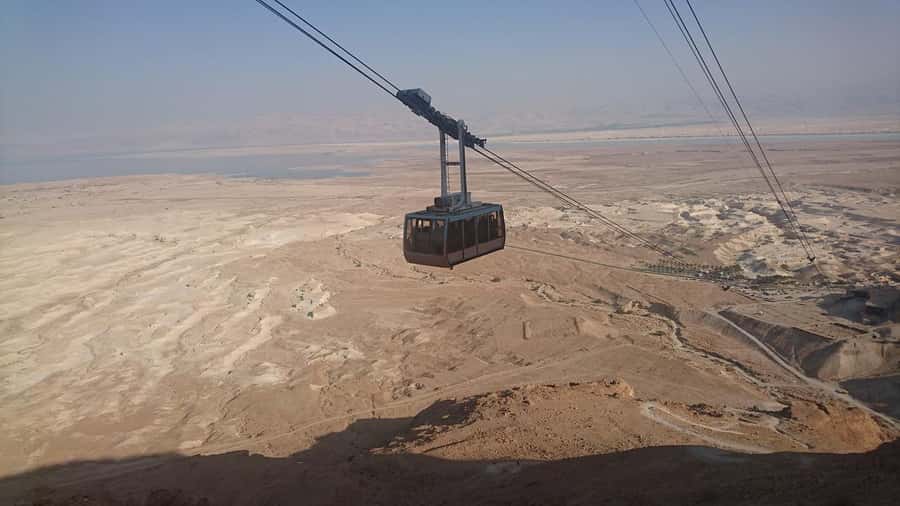
- The mandatory funicular and what it means
- What you will see on the fortress visit
- The Dead Sea stop: float, mud, and mineral water
- The cosmetics shop and extra spending
- What the $82 price really includes
- Who will get the most from this tour
- Practical advice for a smoother day
- Should you book the Masada and Dead Sea tour?
- FAQ
- How long does the Masada and Dead Sea tour last?
- What language is the tour conducted in?
- What is included in the tour price?
- Is the funicular to Masada included?
- Are meals included?
- Where is pickup available?
- Does the tour include a Dead Sea swim and mud treatment?
- Can I cancel for a full refund?
Key points to know before booking
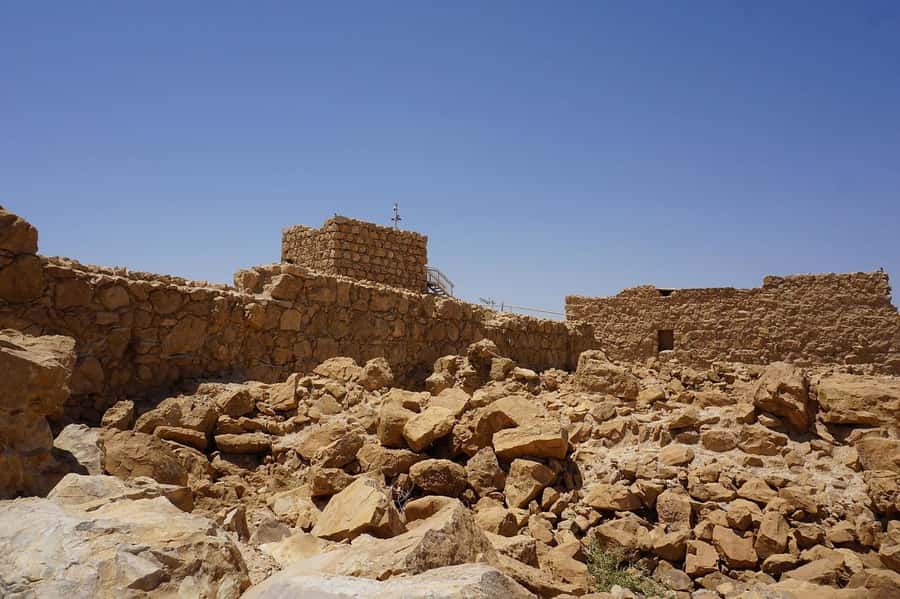
- Masada combines a fortress, palace, synagogue, water pits, and Roman siege history in one dramatic desert stop.
- The Dead Sea visit includes swimming and mud treatments, giving you time to relax after the historic site.
- The tour is conducted in Russian, with live guide service throughout the excursion.
- The mandatory funicular costs extra, so your real day price is higher than the advertised $82.
- The total duration is 270 minutes, making this a focused half-day outing rather than a slow, full-day exploration.
- Pickup is available from several listed locations, with Talpiot Market Haifa service offered only on Saturdays.
Why this Masada and Dead Sea pairing works
Masada and the Dead Sea make a sensible pair. One gives you a powerful encounter with Israel’s ancient past. The other gives you a chance to sit back, float, cover yourself in mineral mud, and enjoy the strange pleasure of being supported by unusually salty water.
You are not simply moving between two sightseeing stops. The route connects the Judean Desert, a fortress built high above it, and the lowest place in the world. That combination gives the excursion a clear shape and keeps a short schedule from feeling random.
At $82 per person, the price is reasonable if you want transportation, a Russian-speaking guide, and both major stops without arranging the day yourself. It is less attractive if you only want a beach visit, since the mandatory funicular adds another charge and meals are not included.
The 270-minute schedule also tells you what kind of outing this is. You should expect a brisk introduction to Masada followed by a Dead Sea stop, not an unhurried archaeological study or a long beach day.
More Dead Sea day trips:
- From Tel Aviv: Masada & Dead Sea Full Day Tour with Pick Up
★ 4.5 · 1,496 reviews - Masada and the Dead Sea Day Trip from Tel Aviv
★ 4.5 · 1,014 reviews - Tel Aviv: Jerusalem, Bethlehem & Dead Sea
★ 4.0 · 881 reviews
The Judean Desert ride sets the scene
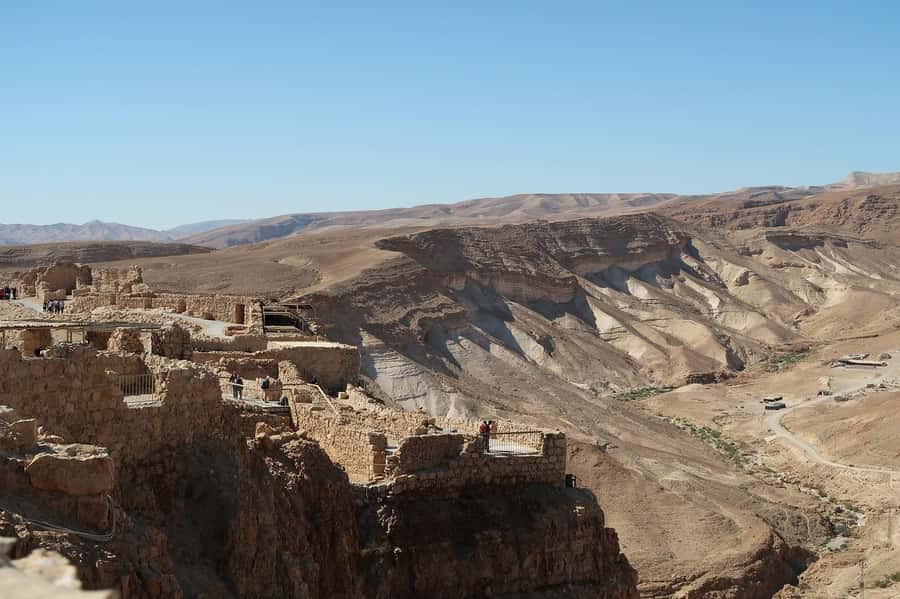
The bus travels through the Judean Desert toward Masada and the Dead Sea. Even without a long list of roadside stops, this transfer matters because it places the two destinations in their proper setting. You see how the fortress and the salt lake belong to the same dry southern region.
The bus transfers are included, and pickup is offered at Sderot Haatsmaut 64, Keren HaYesod and Haim Moshe Shapira, Hagshama Street 2, and Talpiot Market in Haifa. The Haifa Talpiot Market departure is available only on Saturdays, so check that point carefully before you book.
A group bus is practical here. Masada and the Dead Sea are not the kind of sights you casually connect by walking or local transport. The bus removes the need to work out the route yourself, while the live Russian guide gives the drive some context.
The tradeoff is flexibility. You follow the group timetable, and the 270-minute duration leaves limited room for lingering. If you prefer to stop often, choose your own beach, or spend hours among the ruins, an independent visit may suit you better.
Masada: a fortress with a difficult story
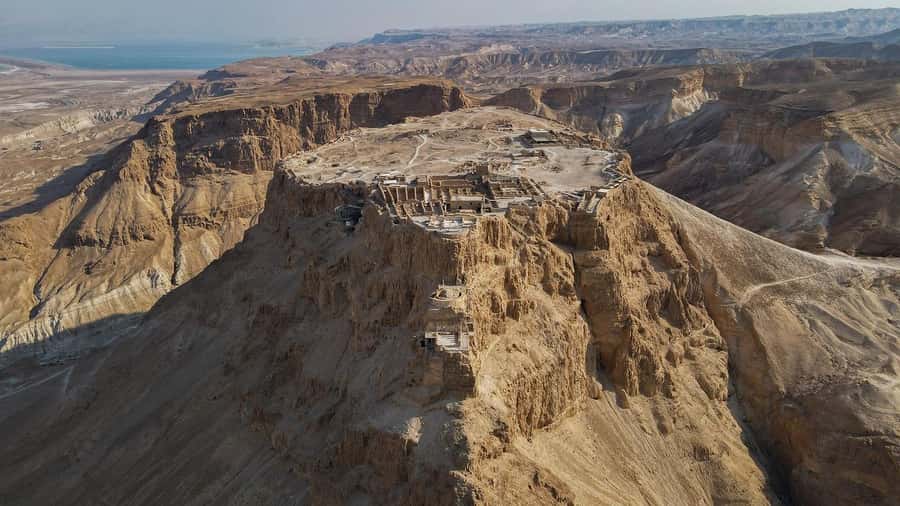
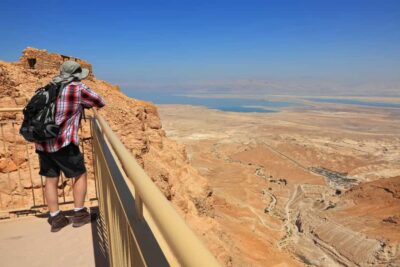
Masada sits on top of a cliff near Arad and the southern shore of the Dead Sea. Its high position is part of its power. From above, the ruins and the surrounding desert make clear why this place was chosen as a stronghold.
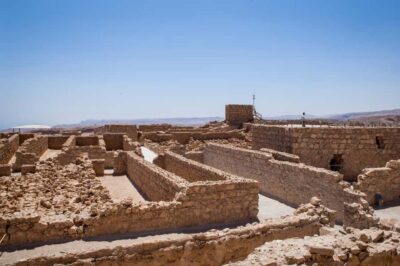
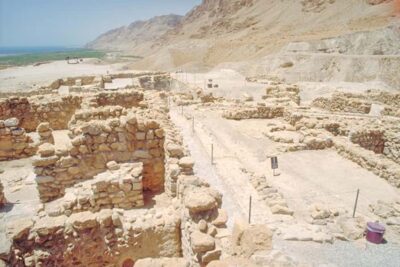
The site preserves the remains of a palace, synagogue, armories, rainwater collection pits, and other supporting buildings. These are not just isolated stones. Together, they show how people lived and defended themselves in a remote place where water was precious and outside help was far away.
The water pits are especially useful for understanding Masada. In a dry desert setting, storing rainwater was not a minor household task. It was the foundation of survival. The remains help you see Masada as a functioning settlement and military position, not only as a dramatic viewpoint.
The synagogue adds another layer. The ruins connect daily religious life with the fortress community, while the palace and storage areas reveal the practical side of power. Your guide can help turn these separate remains into a readable picture of the site.
Masada is also remembered as a symbol of Jewish resistance. During the Roman siege, the defenders, identified as Zealots, faced months of pressure, hunger, and thirst. They were killed in battle or chose suicide rather than slavery. That story is central to the meaning of the site, though it is also a difficult one, and the guide’s handling of the subject matters.
A good explanation should let you consider both the physical evidence and the human cost. Alexandra is praised for speaking with feeling about Masada and for connecting its past to Israel today. If she is your guide, her approach may add real value to the visit.
The mandatory funicular and what it means
The funicular ride to the fortress is a required part of this group excursion. It costs about $22 to $24, or approximately 80 to 91 shekels, and that fee is paid separately from the tour price.
This extra payment is the clearest budget point to watch. The advertised $82 per person does not cover the ride that takes the group up to Masada. Include the extra amount when comparing this outing with other options.
The funicular does make the site more accessible than a long climb would be, but the tour is still not recommended for people with limited mobility. Masada involves an elevated historic site, uneven ruins, and walking around an archaeological area. The exact amount of walking is not stated, so you should plan for more than simply sitting on the bus and looking out the window.
There is also a practical group issue worth knowing. Seats on the bus are not assigned. Do not try to reserve a seat by leaving clothing or a bag behind. That practice has caused concern because it conflicts with the stated rules and can create a safety problem for drivers and guides. Take your belongings with you and accept that seating is open.
A completely different kind of day:
- From Tel Aviv: Jerusalem and Bethlehem Guided Day Trip
★ 4.3 · 1,316 reviews - From Tel Aviv: Guided Day Trip to Nazareth & Sea of Galilee
★ 4.4 · 824 reviews - From Tel Aviv: Jerusalem Old & New City Bus Tour
★ 4.2 · 824 reviews - From Jerusalem: Masada & Dead Sea Full Day Tour with Pick Up
★ 4.5 · 815 reviews
What you will see on the fortress visit
The Masada portion is the intellectual center of the excursion. You will see ruins, but the value comes from understanding what those ruins meant. The palace points to authority and status. The armories suggest preparation for conflict. The synagogue reflects community life. The water system explains how the settlement could function in the desert.
The cliff location gives the site its emotional force. Masada’s history is tied to isolation, defense, and the long Roman siege. The height is not simply scenic. It helps you understand the challenge faced by anyone approaching the fortress and the confidence of those who occupied it.
Masada was added to the UNESCO World Heritage list, another sign of its importance beyond Israel’s national story. Still, the UNESCO label is not the reason to visit. The stronger reason is the chance to stand among the remains while hearing how geography, politics, religion, and survival came together here.
Because the tour includes a guide in Russian, this is a good choice if you want the story explained in your strongest language. A site like Masada can lose much of its meaning if you only see the ruins without context. The guide’s explanation is part of the value, not a side service.
The Dead Sea stop: float, mud, and mineral water
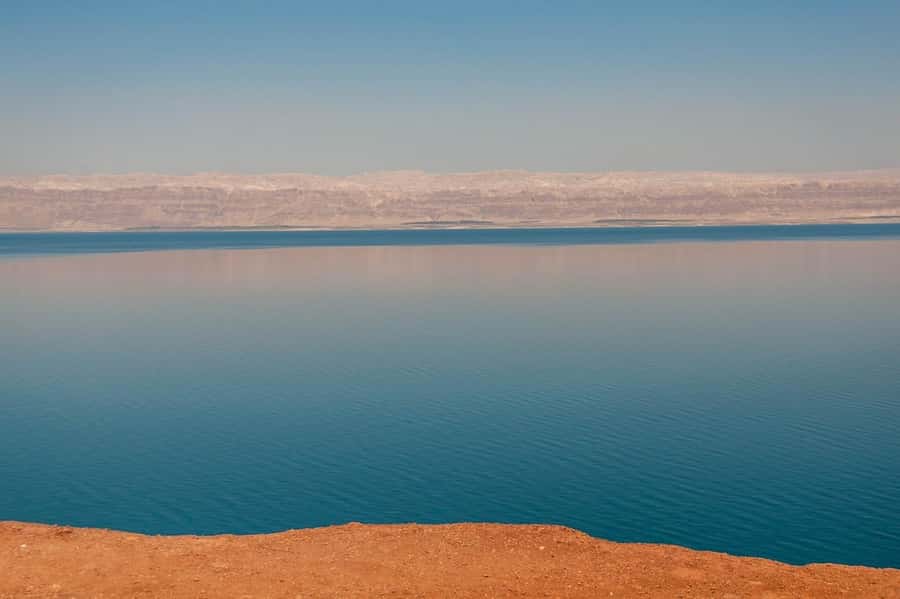
After Masada, the tour continues to a Dead Sea beach for bathing. This is the lighter part of the day, and it changes the mood completely.
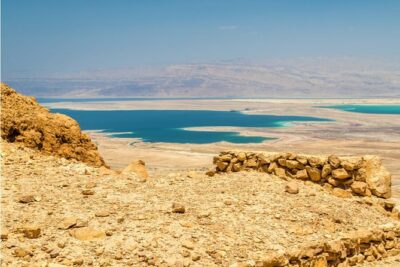
The Dead Sea is famous for its high salt content and unusual buoyancy. You can expect the water to support your body in a way that feels unlike an ordinary swim. The experience is more about floating and relaxing than swimming laps.
Mud treatments are also included as part of the Dead Sea stop. Covering yourself with Dead Sea mud is a simple, hands-on ritual and one of the area’s best-known experiences. It gives you something to do beyond standing at the water’s edge, although you should follow the beach’s instructions about using the mud and washing it off.
This stop is valuable because it gives your body a break after Masada. The ruins require attention and walking, while the beach offers a more casual experience. If your ideal excursion mixes learning with a little silliness, floating in salt water and getting muddy is hard to beat.
Do not expect a full resort day. The entire tour lasts 270 minutes, and the Dead Sea visit shares that time with transport and Masada. You will have a chance to bathe and use the mud, but the schedule may not allow a long, leisurely stay.
The Dead Sea can also feel stark and unusual rather than conventionally beautiful. Its appeal comes from the sensation of the water, the mineral mud, and the setting near the Judean Desert. I would choose this stop for its distinct experience, not because it resembles a classic seaside holiday.
The cosmetics shop and extra spending
The tour includes a stop at a shop selling Dead Sea cosmetics. This can be useful if you want products connected to the region, especially after trying the mud treatment.
It can also add sales pressure to the day. The products are not part of the tour price, and there is no need to buy anything to make the Dead Sea visit worthwhile. Set your budget before entering, particularly since the funicular is already an extra required cost.
I see the shop as a convenience rather than a main attraction. If you want souvenirs or skin-care products, you may appreciate the chance to browse. If you would rather spend every available minute at the beach, treat this stop as a minor interruption.
What the $82 price really includes
The $82 price covers attendant staff services and bus transfers during the tour. The live guide speaks Russian, and pickup is included from the listed locations.
Meals are not included unless you purchase them as an additional option. The funicular is also excluded, despite being mandatory for the group visit to Masada. That means your actual cost is closer to $104 to $106 per person before food or cosmetics, using the stated funicular estimate.
That total can still be fair. You are paying for a guided route to two major southern Israel sights, group transportation, and Russian-language interpretation. If you are starting from one of the pickup points and want a simple day without driving, the convenience has real value.
The price is harder to justify for someone already based near the Dead Sea or comfortable arranging private transport. In that case, you may prefer to pay separately for only the places you want. The organized tour earns its price through structure, transport, and explanation.
Who will get the most from this tour
I would recommend this experience to you if you want a compact introduction to southern Israel and prefer Russian-language guiding. It suits first-time visitors who want both an important historic site and a memorable natural stop in one outing.
It is also a good fit if you value interpretation. Alexandra receives particularly warm praise for explaining not only Masada and the Dead Sea, but Israel as a whole, with feeling and care. That kind of guide can make a short tour feel more substantial.
You may want another option if you have limited mobility, dislike group schedules, or want a long beach stay. The tour is not recommended for people with limited mobility, and the extra funicular fee should be part of your decision from the start.
Families and mixed-age groups may like the contrast between ruins and floating, but the emotional weight of Masada’s story should not be overlooked. It is serious material, not just a photo stop.
Practical advice for a smoother day
Keep the final price in mind when you book. Add the funicular cost to the $82 fare, and plan separately for meals and any cosmetics.
Wear clothing that works for both walking around ruins and visiting a beach. You will want to be comfortable during the desert portion and prepared for bathing at the Dead Sea.
Do not leave items on bus seats to claim them. Seating is not assigned, and blocking seats with bags or clothing creates an avoidable safety issue.
Check your pickup point and day carefully. Talpiot Market Haifa service is limited to Saturdays, while the other listed pickup points are presented without that restriction.
Most of all, listen closely at Masada. The beach is enjoyable on its own, but the guide’s explanation is what gives the fortress its meaning. A little attention there will make the whole day feel more worthwhile.
Should you book the Masada and Dead Sea tour?
Book it if you want history, transport, Russian-language guidance, and a Dead Sea experience in a single 270-minute outing. The pairing is efficient, the activities are very different, and the guide can add important context to Masada’s ruins and Israel’s wider story.
Before paying, budget for the mandatory funicular, meals, and any shopping. Skip it if you need a fully accessible outing, dislike fixed group timing, or want to spend most of the day at the beach. For the right visitor, this is a practical and memorable introduction to two of southern Israel’s most distinctive places.
FAQ
How long does the Masada and Dead Sea tour last?
The tour lasts 270 minutes, or four and a half hours.
What language is the tour conducted in?
The live tour guide speaks Russian.
What is included in the tour price?
Attendant staff services and bus transfers during the tour are included.
Is the funicular to Masada included?
No. The funicular is mandatory for the group excursion and costs about $22 to $24, or approximately 80 to 91 shekels.
Are meals included?
No. Meals are not included unless purchased additionally.
Where is pickup available?
Pickup is listed at Sderot Haatsmaut 64, Keren HaYesod and Haim Moshe Shapira, Hagshama Street 2, and Talpiot Market Haifa. The Talpiot Market Haifa departure is available only on Saturdays.
Does the tour include a Dead Sea swim and mud treatment?
Yes. The itinerary includes bathing at a Dead Sea beach and Dead Sea mud treatments.
Can I cancel for a full refund?
Yes. You can cancel up to 24 hours in advance for a full refund.
Just added in Israel
- Walking Jerusalem in Russian★ 5.0 · 1 review
- Sea of Galilee – Off the Beaten Track★ 5.0 · 3 reviews
- Wine Tour North of Israel from Tel Aviv★ 5.0 · 2 reviews
- private Full-day Tour to Jericho + the Dead Sea★ 5.0 · 3 reviews
- A Day of Spiritual Discovery in the Upper Galilee★ 5.0 · 7 reviews
- Tour The Mystical City Of Safed★ 5.0 · 11 reviews
- private Full-Day Tour to Bethlehem and Jerusalem★ 5.0 · 2 reviews
- Druze Culinary Tour of the Western Galilee★ 5.0 · 6 reviews
Dead Sea Day Trips, compared.
Masada & Dead Sea Full Day Tour with Pick Up
Read our review →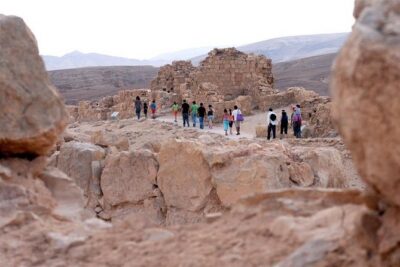
Masada and the Dead Sea Day Trip from Tel Aviv
Read our review →
Masada and the Dead Sea Day Trip from Jerusalem
Read our review →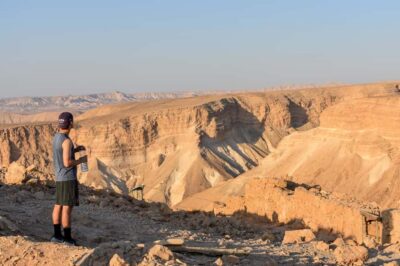
Browse the lists this tour appears in