
Reviewed · ISRAEL FOOD TOURS AND MARKETS
Tel Aviv: Carmel Market Food Tasting Tour “Shuk Hacarmel”
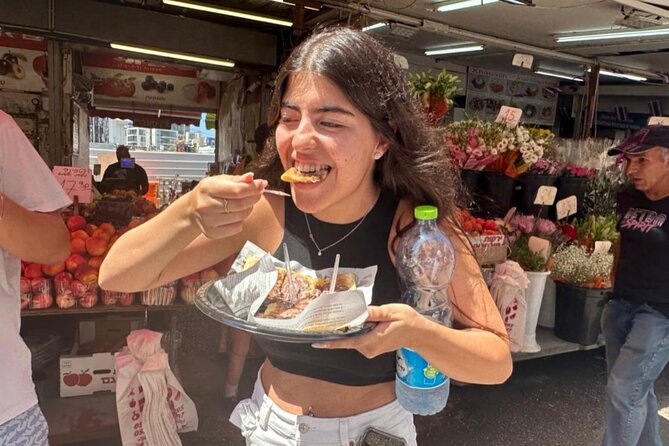
Come hungry, leave curious. This Carmel Market food tour gives you a compact introduction to Tel Aviv’s best-known open-air market, with local stories, family-run stalls, and a Yemenite twist on Israeli food. In 90 minutes, you walk about three-quarters of a mile through the market’s alleys while stopping for tastings.
I like the mix of food and market culture, especially the chance to meet vendors whose businesses have lasted for generations. I also like that the tastings amount to a substantial lunch rather than a few token bites. The main caution is timing: the activity is advertised as 90 minutes, while the included details also mention 2.5 hours, and several bookings ended closer to an hour.
In This Review
- Key points to know before booking
- Starting beside Poli House and Allenby Street
- A market shaped by many Jewish food traditions
- Malawach, the Yemenite highlight
- Falafel, hummus, olives, and sabich
- Sweets, spices, and the final taste of Carmel
- What the $63 price really buys
- Group size, pace, and comfort
- Who will enjoy this tour most
- Should you book the Carmel Market food tour?
- FAQ
- How long does the Carmel Market food tour last?
- How much walking is involved?
- What food is included?
- Are drinks and fruit included?
- Where does the tour meet?
- Is the tour suitable for wheelchair users?
Key points to know before booking
- Malawach brings a Yemenite accent to the tour: This flaky, filling bread appears in sandwich form and gives the tasting a clear local identity.
- The food adds up to lunch: You may taste falafel, hummus, shredded beef in pita, sabich, olives, baked bread, halva, and baklava.
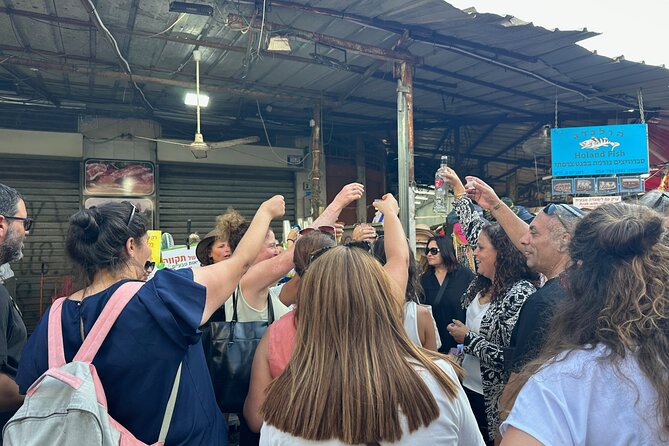
- Carmel Market is as much theater as pantry: Music, dancing, street sellers, unusual displays, and busy alleys are part of the experience.
- The tour covers about 1.2 kilometers: You walk, stop, eat, and listen rather than sit for a formal meal.
- The guide matters: Alina earned especially warm praise for introducing repeat visitors to foods they had not tried before, though one booking reported late arrival and difficult English.
- Bring sun protection and sturdy shoes: The tour runs rain or shine and is not recommended for wheelchair users or people with mobility impairments.
Starting beside Poli House and Allenby Street
The meeting point is on the corner outside the Poli House hotel, where Allenby Street meets Carmel Market. This is a useful starting place because you are right at the edge of the market, not wasting tour time getting there from another neighborhood.
You should arrive ready to walk. The route covers about three-quarters of a mile, but the hard part is not the distance. Carmel Market has narrow passages, uneven movement through the stalls, and plenty of distractions. Comfortable shoes will help you focus on the food instead of your feet.
The market changes character as you move through it. The outer sections include shops and stalls selling a wide range of inexpensive goods, while the food-focused areas bring you closer to produce, spices, baked items, prepared dishes, and small family businesses. One booking described the early part as full of fake stuff, meaning the nonfood merchandise and assorted goods that give the market its broad, slightly chaotic personality.
That is worth knowing before you arrive. This is not a polished food hall with matching counters and tidy signs. You are seeing a working market, where food sellers share space with shops selling everyday items. That makes the first part useful for understanding how Carmel Market functions, but it may feel less culinary than the later stops.
More Food Tours in Tel Aviv
- Carmel Market Tasting Tour – LocaLocal
★ 5.0 · 140 reviews - Tel Aviv: Jaffa & Carmel Market Walking Tour
★ 4.7 · 60 reviews - Tel Aviv: Carmel Market & Tel Aviv Tour with Tastings
★ 3.8 · 36 reviews
A market shaped by many Jewish food traditions
Your guide puts the tastings into a wider setting. Israeli food is not one single cuisine. At Carmel Market, you may encounter flavors connected to Jewish communities from North Africa, the Middle East, and Europe, along with Mediterranean ingredients and cooking traditions.
That context is one of the tour’s stronger features. A falafel ball or a piece of bread is easy to eat without thought. Hearing how foods from different communities became part of Israeli daily life gives the meal more meaning.
The history portion also connects Carmel Market with Tel Aviv’s growth into a multicultural city. You can expect stories about the market’s past, the people who built businesses there, and the role of outdoor markets in city life.
The depth of those explanations may depend heavily on your guide and group. One booking found the history too basic and felt that some of the material repeated what they had learned in school. If you already know a lot about Jewish history or Israeli culture, you may want to steer the conversation toward food traditions, vendors, and market customs.
The tour is conducted in English. Alina received strong praise for her warmth and for finding new foods even for someone on a return visit to Israel. Another booking reported that the guide arrived late and had difficulty speaking English. That inconsistency is worth keeping in mind, especially if you want a polished, tightly timed presentation.
Malawach, the Yemenite highlight
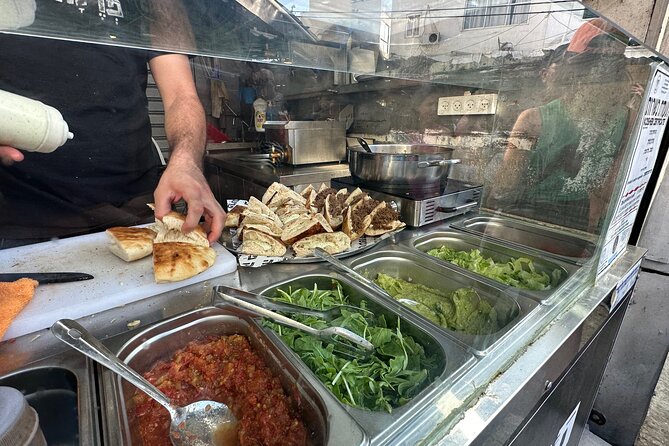
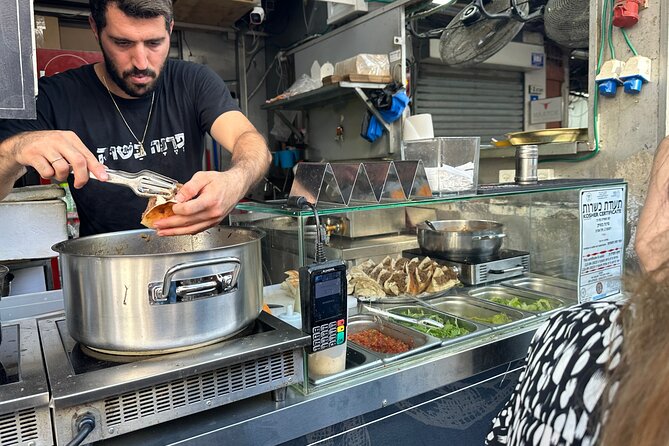
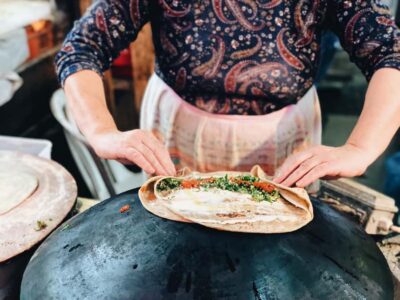
The malawach sandwich is one of the most distinctive promised tastings. Malawach is a Yemenite-style flatbread with a rich, flaky texture, and using it as a sandwich makes it both memorable and filling.
This stop gives the tour a stronger identity than a standard falafel walk. Falafel and hummus are familiar to many people. Malawach offers a more specific connection to Yemenite Jewish cooking and shows how Israeli street food draws from many communities.
One especially vivid market scene described during the experience involved an older woman making pita in a way that looked like a large crepe formed over a pillow. It is the kind of detail that makes a market visit stick in your mind. You are not just eating a finished product. You might also see traditional preparation happening in front of you.
The exact vendor lineup can change, so you should treat the listed foods as expected examples rather than a guaranteed menu. Market tours depend on opening hours, supply, and the guide’s route. Still, malawach is central enough to the tour’s Yemenite theme that it should be one of the food moments you anticipate.
Falafel, hummus, olives, and sabich
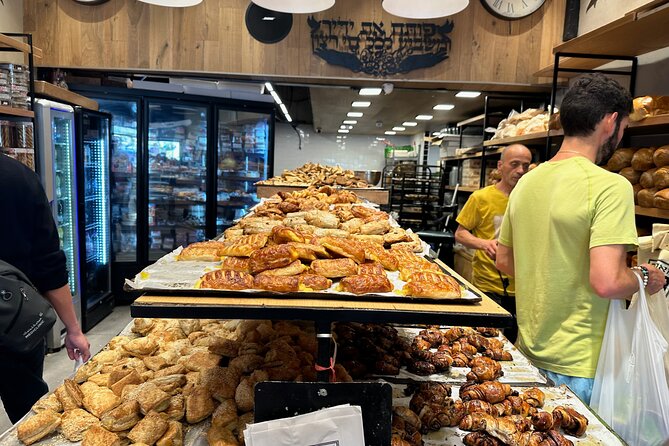
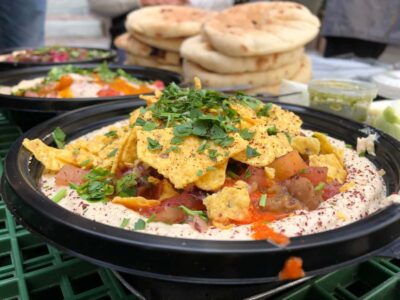
The familiar Middle Eastern dishes give the tour its foundation. Fresh falafel, creamy hummus, Syrian olives, and sabich are all part of the tasting plan.
Falafel is a practical market food because it is quick to serve and easy to eat while standing or walking. Hummus adds a softer, creamier counterpoint. Syrian olives bring a salty bite, while sabich introduces another important Israeli street-food combination built around eggplant and other fillings.
You should expect food served in small portions or hand-held forms, not a sit-down restaurant meal. The total amount is described as equal to a substantial lunch, so eating a full breakfast beforehand may leave you too full to enjoy the stops.
There is one important limitation. A previous booking found that all four tastings were bread based, with no drink or fruit included. That means the tour may feel less varied than the food list suggests, particularly if you expect fresh produce, sweets, savory dishes, and beverages in equal measure.
I would treat this as a bread-and-prepared-food tour with several different flavors, not as a complete survey of every section of the market. If you have dietary restrictions, ask before booking. The supplied details do not explain substitutions or allergy handling.
A completely different kind of day:
- From Tel Aviv: Masada & Dead Sea Full Day Tour with Pick Up
★ 4.5 · 1,496 reviews - From Tel Aviv: Jerusalem and Bethlehem Guided Day Trip
★ 4.3 · 1,316 reviews - Masada and the Dead Sea Day Trip from Tel Aviv
★ 4.5 · 1,014 reviews - Tel Aviv: Jerusalem, Bethlehem & Dead Sea
★ 4.0 · 881 reviews
Sweets, spices, and the final taste of Carmel
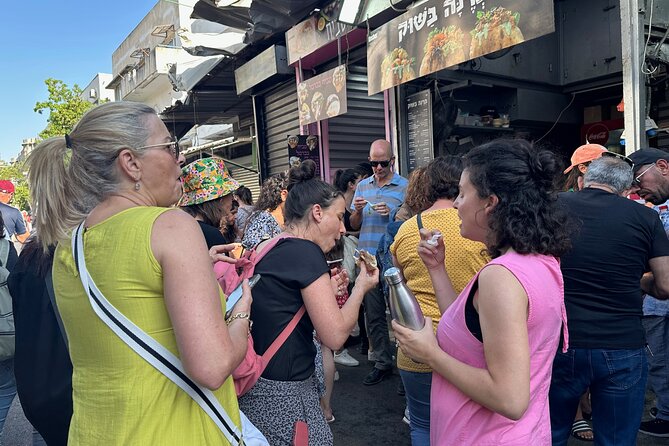
The sweet side of the market includes halva and baklava. These are useful finishing tastes because they show how sesame, nuts, syrup, and pastry fit into the broader food culture.
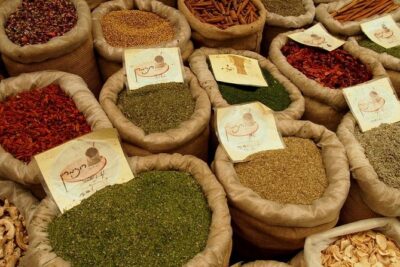
You may also encounter freshly baked bread, fragrant spices, and displays of ingredients that add color and smell to the walk. The tour is not only about eating prepared portions. The guide also points out the goods that make Carmel Market a place to shop and cook.
Halva can be dense and sesame-forward, while baklava brings crisp pastry and sweetness. These small samples may be enough after a lunch-sized sequence of savory foods. If you have a strong sweet tooth, you can use the time after the tour to make an additional purchase, but those extra purchases are not included in the price.
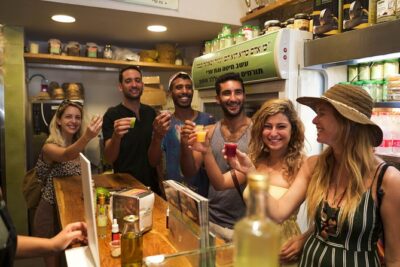
The market’s atmosphere may be the best part for you. One booking described music, dancing, drinking, and people gathering around the central area. Another recalled the fun of seeing the market’s unusual sights and the lively social mood. The food gets you moving through Carmel Market, but the sound and movement give the tour its character.
What the $63 price really buys
At $63 per person, this is not the cheapest way to eat in Carmel Market. You can buy individual falafel, bread, sweets, or other snacks on your own for less money.
The price makes more sense if you want three things at once: a meal’s worth of tastings, a guide who explains the food, and a planned route through the market. You also save yourself the trouble of choosing stalls when you are unfamiliar with the food or unsure how much to order.
The value is strongest for a first visit to Tel Aviv, especially if you want an introduction before returning to the market independently. The guide can point out foods you might otherwise pass by, explain unfamiliar names, and connect dishes to the communities that brought them into Israeli cooking.
The value is weaker if you are already comfortable ordering Middle Eastern food or if you want a long, detailed market tour. The time issue matters here. The activity states 90 minutes, yet the included information also calls it a 2.5-hour walking tour, and some bookings ended in about one hour or less than two hours.
I would budget 90 minutes, not 2.5 hours, unless the operator confirms otherwise. If your schedule is tight, do not place an important timed reservation immediately afterward. If the tour runs short, you will at least have extra time to shop and eat on your own.
Group size, pace, and comfort
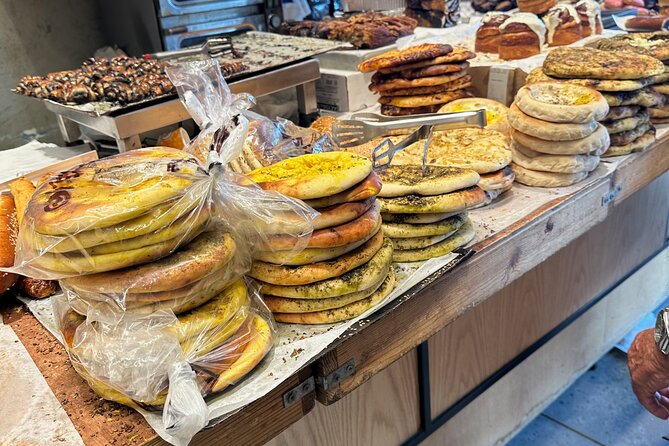
The maximum group size is 15 people. That is small enough for a guide to keep the group together, but Carmel Market’s narrow lanes can still make a larger group feel crowded.
A private group is available if you prefer a more personal pace. That may suit families or groups with strong food interests, though the supplied information does not state the private-group price.
The route is not recommended for wheelchair users or people with mobility impairments. Children and infants must be accompanied by at least one paying adult. Infants from zero to one year old are free, but they do not receive food samples.
Wear comfortable shoes, a sun hat, and sunscreen. Bring water, too. The tour operates rain or shine, so a forecast with heat or rain should affect what you carry. The food stops may be substantial, but they do not replace water or sun protection.
The guide photographs the experience and can send the pictures by WhatsApp or Dropbox. That is a pleasant extra if you want a record of the market, though you may prefer to tell the guide if you do not want to be photographed.
Who will enjoy this tour most
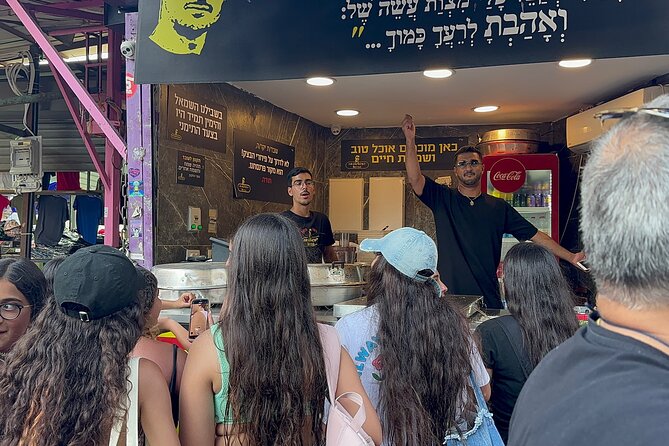
I would recommend the tour most strongly to first-time visitors who want a quick, guided introduction to Israeli food. You get several recognizable dishes, a few less familiar ones, and a useful explanation of how different Jewish communities shaped the country’s cooking.
It also suits people who prefer tasting to sightseeing from a distance. You are not simply shown the market. You eat your way through it, with each stop giving you a reason to pay attention.
The experience may appeal to families with older children, provided everyone can keep moving through the market. It could also work well early in a Tel Aviv visit, when you want ideas for what to eat during the rest of your stay.
I would be more cautious if your priority is a long food crawl, drinks, fruit, or a carefully measured schedule. The tastings may lean toward bread and prepared foods, and the actual duration has not been consistent. People who use wheelchairs or have mobility limitations should choose another activity.
Should you book the Carmel Market food tour?
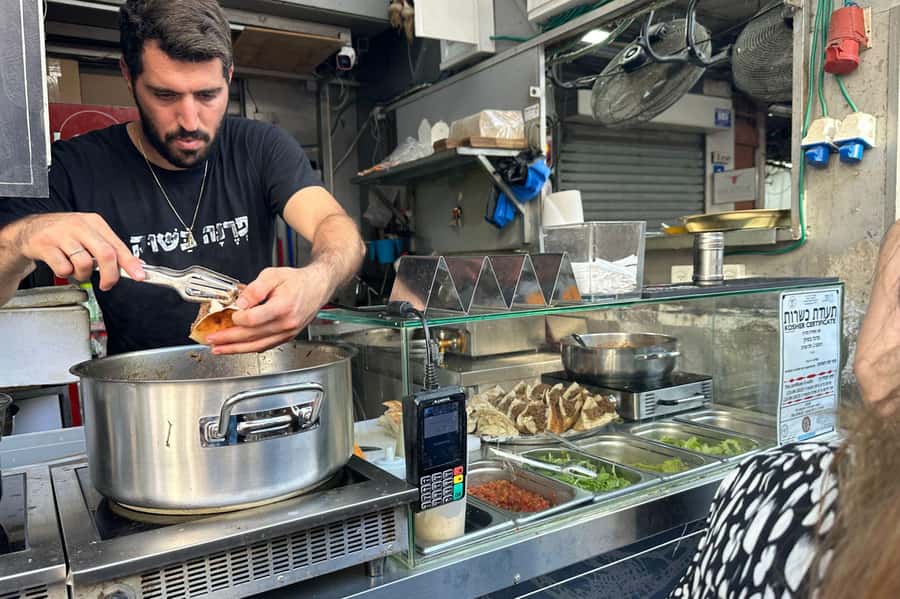
Book it if you want a compact market introduction with enough food to count as lunch, plus stories about Yemenite, Middle Eastern, North African, and European Jewish influences on Israeli cuisine.
The strongest reasons to go are the market atmosphere, the malawach and other filling tastings, the family-run stalls, and the chance to see Carmel Market with a local guide instead of guessing your way through it. Alina’s best feedback suggests that a good guide can make the experience worthwhile even for someone returning to Israel.
Go in with realistic expectations. Plan for 90 minutes, expect the route to be food-heavy, and do not assume that drinks or fruit are included. At $63, you are paying for guidance and context as much as for the food. If that combination sounds useful, this is a good first taste of Carmel Market. If you only want inexpensive snacks, explore the market independently and spend the difference on dishes you choose yourself.
FAQ
How long does the Carmel Market food tour last?
The activity is advertised as 90 minutes. The included information also describes it as a 2.5-hour walking tour, while some bookings lasted about one hour or less than two hours. Plan around 90 minutes and confirm the timing if your schedule is tight.
How much walking is involved?
The tour covers about three-quarters of a mile, or 1.2 kilometers, through Carmel Market.
What food is included?
Food tastings may include malawach sandwiches, shredded beef in pita, falafel, hummus, Syrian olives, sabich, freshly baked bread, spices, halva, and baklava. The tastings are described as equal to a substantial lunch.
Are drinks and fruit included?
They are not listed as included. One booking specifically found that the tastings were bread based and did not include drinks or fruit.
Where does the tour meet?
Meet on the corner outside the Poli House hotel, at the junction of Carmel Market and Allenby Street.
Is the tour suitable for wheelchair users?
No. The tour is not recommended for wheelchair users or people with mobility impairments. It takes place in market alleys and includes about 1.2 kilometers of walking.
Just added in Tel Aviv
- Wine Tour North of Israel from Tel Aviv★ 5.0 · 2 reviews
- private Full-day Tour to Jericho + the Dead Sea★ 5.0 · 3 reviews
- private Full-Day Tour to Bethlehem and Jerusalem★ 5.0 · 2 reviews
- Private wine tour of Northern Israel★ 5.0 · 4 reviews
- Privet Pickup from Tel Aviv Hotels to the Airport★ 5.0 · 1 review
- VIP Tel Aviv airport Terminal 3 Fast Track Skip Line From plane★ 4.5 · 9 reviews
- Package VIP Skip Line Services in BGN Airport with Transfer to Tel aviv Hotels★ 5.0 · 3 reviews
- Private Transfer from Ben Gurion Airport to Tel Aviv, Bat Yam, Rishon LeZion★ 5.0 · 2 reviews
Israel Food Tours and Markets, compared.

Browse the lists this tour appears in