
Reviewed · STREET ART
Tel Aviv: Street Art and Graffiti Tour
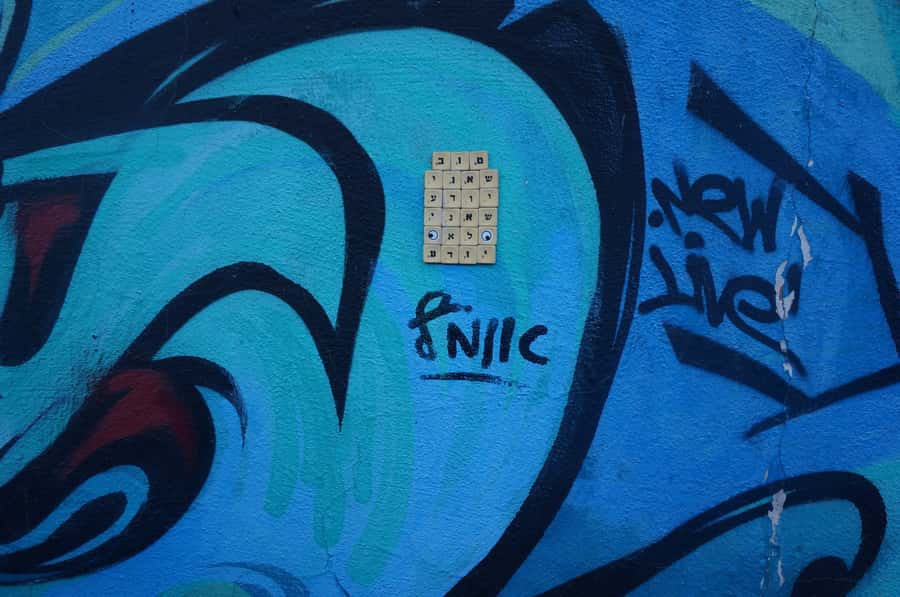
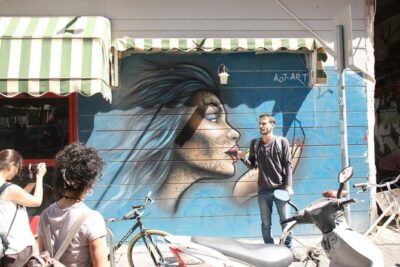
Walls tell Tel Aviv’s story. This 90-minute to two-hour walk takes you through Florentine or Ha’Mesila Park, where painted walls, tags, stencils, and large public works turn ordinary streets into an open-air gallery. You learn how graffiti works, who makes it, and why it matters beyond decoration.
I like the local guide-led approach, especially when the guide has direct ties to the art scene. I also like the tour’s mix of art, psychology, economics, and city life. The main consideration is simple: the tour needs at least six participants, so a small private outing may not go ahead on its own.
The strongest reports come from guides who bring personal stories to the walk. One guide, Shir, is himself a graffiti artist, and another guide revealed his identity only when the group reached one of his own works. That sort of moment can turn a pleasant walk into a memorable one. Just confirm the meeting point and route before you go, since both can vary by booking.
In This Review
- Key points at a glance
- Why Tel Aviv works so well for street art
- Florentine: the classic choice for alleyways and street energy
- Ha’Mesila Park: a different public setting
- What the 90 minutes to two hours feels like
- The guide can make or break the experience
- The ideas behind the paint
- What $58 means in practical terms
- Who should book this walk
- How to plan your time around the tour
- Is Tel Aviv’s graffiti tour worth it?
- FAQ
- Where does the Tel Aviv street art tour take place?
- How long does the tour last?
- What languages are available?
- How much does the tour cost?
- What is included in the price?
- Is the tour wheelchair accessible?
- Does the tour require a minimum number of participants?
- Can I cancel the booking?
Key points at a glance
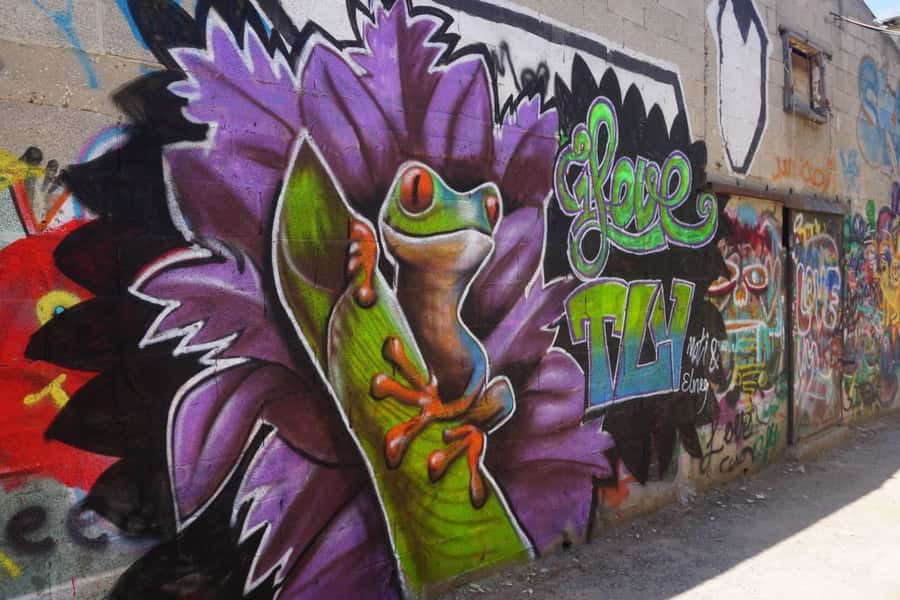
- Two distinct routes: Choose between the Florentine neighborhood and Ha’Mesila Park, each offering a different urban setting.
- More than wall decoration: The guide discusses graffiti’s history along with its philosophical, psychological, and economic sides.
- Artist insight matters: Shir has street art across Tel Aviv and has guided visitors through the city with first-hand experience.
- Useful for families: The subject kept tired teenagers interested, which says a lot about the tour’s accessible style.
- English and Hebrew available: Tours can be led in either language, with an English-speaking guide included.
- Flexible booking: You can cancel up to 24 hours ahead for a full refund and reserve without paying immediately.
Why Tel Aviv works so well for street art
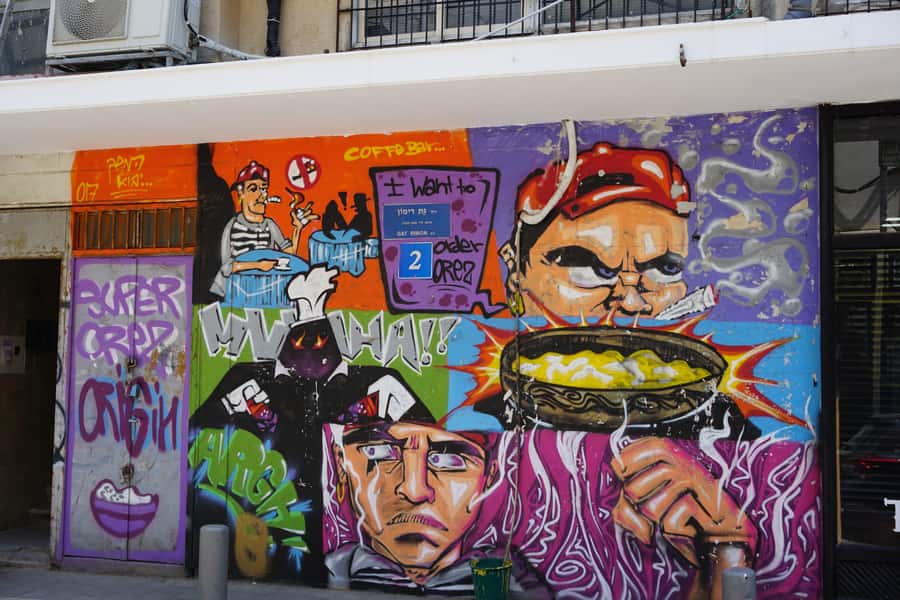
Tel Aviv is a city where public space often feels like part of the conversation. Painted walls and alleyways are not locked behind museum doors. They appear along the routes people use every day, which makes the art feel connected to real city life.
That also means the tour is not a visit to a fixed collection. A piece may be painted over, altered, or surrounded by new work. Your guide helps you read this changing setting. You learn to notice styles, symbols, signatures, and the difference between a quick tag and a planned mural.
The subject reaches well beyond this wall looks cool. You discuss why people write or paint in public, how artists claim space, and how graffiti can carry social, political, personal, or commercial meaning. The guide also explains the economic side of urban art, an especially useful angle in a city where street style can influence neighborhoods and businesses.
I like that the tour treats graffiti as a living art form rather than a simple photo stop. You are not just collecting colorful pictures for your phone. You are learning a visual language that can help you understand more of Tel Aviv after the walk ends.
More things to do in Tel Aviv:
- From Tel Aviv: Masada & Dead Sea Full Day Tour with Pick Up
★ 4.5 · 1,496 reviews - From Tel Aviv: Jerusalem and Bethlehem Guided Day Trip
★ 4.3 · 1,316 reviews - Masada and the Dead Sea Day Trip from Tel Aviv
★ 4.5 · 1,014 reviews
Florentine: the classic choice for alleyways and street energy
The Florentine route is likely the natural pick if you want the best-known setting for Tel Aviv street art. The tour takes you through streets and alleyways in this central neighborhood, with the guide pointing out works that might otherwise blend into the city around them.
Because the route moves through public space, expect a walking experience rather than a series of formal viewing stops. The guide may pause at a wall to explain the artist, style, or idea, then move on to another work that gives a different view of the scene. The appeal is in the contrast: one wall may be bold and carefully planned, while another may be a quick mark with a very different purpose.
Florentine also gives the subject a strong urban setting. You are looking at art on working streets, not in a silent gallery. That helps explain why questions of ownership, permission, neighborhood identity, and public access matter.
The exact artworks can change. That is part of the nature of the route, but it is also a small drawback if you want a fixed list of famous murals. The guide’s explanation becomes more important than any single wall. A good guide can make even a partly changed piece worth stopping for.
If this is your first time in Tel Aviv and you want a focused introduction to the city’s graffiti scene, I would lean toward Florentine. It sounds like the fuller choice for seeing how art, alleys, businesses, and everyday movement meet.
Ha’Mesila Park: a different public setting
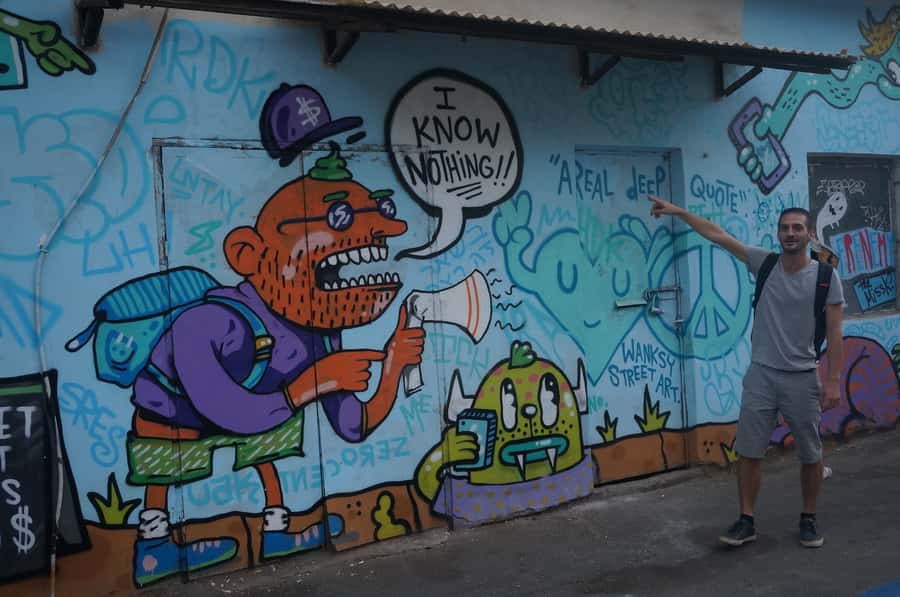
The second route runs through Ha’Mesila Park. The available information does not provide a stop-by-stop map, so you should check the exact meeting point and route when booking. What is clear is that this option gives you another way to see Tel Aviv’s public art outside the Florentine streets.
A park route can change the feel of the experience. Instead of concentrating only on narrow lanes and building walls, you may find a more open public setting where painted work interacts with paths and shared city space. The guide still focuses on artists, styles, and the role of graffiti in daily life.
This choice may suit you if you have already explored Florentine or want a different neighborhood context. It is also worth considering if your schedule or meeting point makes Ha’Mesila Park easier to reach.
Do not assume that one route is automatically better. The best option depends on the day, the guide, and the art currently visible. Since street art changes, the guide’s ability to explain what you are seeing is more valuable than choosing a route based only on a title.
What the 90 minutes to two hours feels like
The tour is long enough to build a clear picture of the scene without taking over your entire day. At 90 minutes, it should feel like a concentrated introduction. If it runs closer to two hours, you will have more time for questions, comparisons between artists, and discussion of the ideas behind the work.
Expect to walk and stand outdoors. Wear comfortable shoes, especially if you choose a route that uses alleyways or uneven urban pavement. Food and drinks are not included, so plan a snack or café stop before or after the tour rather than expecting refreshments along the way.
The pace should work well for people who want conversation rather than a rushed checklist. You are not simply moving from one famous image to the next. The guide explains the scene as you go, and that can lead to questions about artistic style, identity, public space, and local culture.
Families should take note of the format. A family group found that even tired teenagers remained interested and continued spotting new details after the tour ended. That does not mean every child will love a discussion of urban art, but the visual subject gives younger visitors plenty to look at while the guide supplies the context.
A completely different kind of day:
- Tel Aviv: Jerusalem, Bethlehem & Dead Sea
★ 4.0 · 881 reviews - From Tel Aviv: Guided Day Trip to Nazareth & Sea of Galilee
★ 4.4 · 824 reviews - From Tel Aviv: Jerusalem Old & New City Bus Tour
★ 4.2 · 824 reviews - From Tel Aviv: Caesarea, Haifa and Akko Day Trip
★ 4.4 · 744 reviews
The guide can make or break the experience
Street art tours depend heavily on the person leading them. A guide who only names artists and points at walls will give you a basic walk. A guide with first-hand knowledge can explain how the scene works and why different artists make different choices.
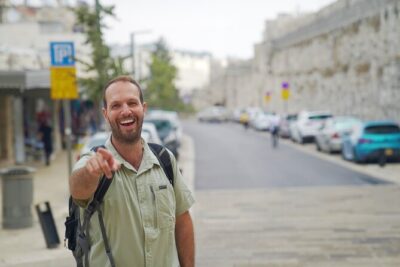
Shir is especially notable. He is a graffiti artist whose work appears around Tel Aviv, and his personal experience gave the tour a direct connection to the local scene. That matters because you get more than general background. You can hear how an artist sees the city, the walls, and the act of painting in public.
One particularly memorable experience involved a guide who kept his graffiti identity private until the group reached one of his original works. The reveal made the stop feel personal rather than staged. It also shows why you should leave room for surprise on a tour like this. The most meaningful moment may not be the largest mural.
Language is handled in English or Hebrew. If you do not speak Hebrew, tell the guide early and stay close enough to hear the explanations. One English-speaking participant appreciated that the guide made sure she understood the conversation when the rest of the group was speaking Hebrew. That is a useful sign of an attentive guide, though the exact group language may depend on the booking.
The ideas behind the paint
The tour’s subject becomes stronger when it asks difficult questions. Who owns a wall? When does graffiti become public art? Can a painted wall change the way people view a street? Who profits when a once-rough neighborhood becomes fashionable?
You discuss these philosophical, psychological, and economic questions during the walk. That range gives the tour more weight than a standard art stroll. You start thinking about why certain images attract attention, why artists use aliases, and how a city reacts when unauthorized work becomes popular.
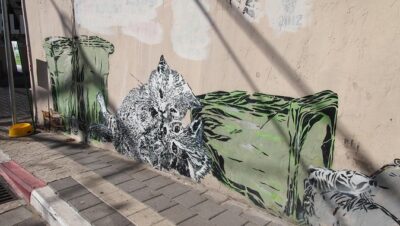
The guide also introduces different styles within graffiti and street art. You may learn to distinguish between quick lettering, planned images, character work, stencils, and other approaches, depending on what is present along the route. The point is not to memorize labels. It is to train your eye.
I find this especially useful if you are not already familiar with graffiti. At first, a wall can look like a crowded mass of paint. After the guide explains how to look, you begin to see layers, decisions, and competing voices.
What $58 means in practical terms
At $58 per person, this is not a cheap casual walk. The price makes the most sense if you value a guide with strong local knowledge, artist connections, and time for discussion. It includes the English-speaking local guide, but not food or drinks.
The value rises when the guide brings first-hand experience. A professional artist such as Shir can explain details that are difficult to get from a general city tour or a self-guided walk. You also save time. Instead of wandering through streets hoping to find worthwhile pieces, you receive a focused introduction to the artists and ideas shaping the scene.
The price may feel high if you only want to photograph murals. You can see public art without paying for a tour, and the works themselves are outdoors. In that case, the fee is paying for interpretation, access to local stories, and a better understanding of what you are looking at.
The minimum of six participants is another value issue. If the group reaches that number, the tour can provide a social and conversational outing. If not, the activity may not operate as planned, so keep your schedule flexible and confirm the status before setting aside a narrow time slot.
Who should book this walk
I would recommend it to first-time visitors who want a different view of Tel Aviv than beaches, markets, and historic sites. It is also a good fit for anyone interested in photography, design, urban culture, or modern art.
Families with older children and teenagers should consider it. The art gives younger people something immediate to see, while the discussion adds substance. The strong response from a family with jet-lagged teenagers suggests the walk can hold attention even when energy is low.
It suits solo visitors and couples too, particularly if you enjoy asking questions. The route is more rewarding when you want to understand the work rather than simply pass by it.
I would be less keen to recommend it to someone who dislikes walking, outdoor stops, or discussion. It is not a seated art lecture, and it is not a food tour. You need to be comfortable spending up to two hours on foot and looking closely at public walls.
The tour is listed as wheelchair accessible, which makes it worth considering for visitors who need an accessible activity. Still, because the route and meeting point vary, ask for current route details before booking if you have specific mobility needs.
How to plan your time around the tour
Allow a little breathing room before the start. The meeting point depends on the route you book, so do not assume both options begin in the same place. Check the starting time and location carefully.
A tour in the middle of your stay can help you see Tel Aviv with new eyes afterward. Once you know the difference between styles and begin recognizing artists, you may notice works on streets you would have ignored before.
The activity also works well as a first-day orientation if you want something less formal than a major museum. Just remember that the art is changing and the exact selection cannot be guaranteed. Think of the route as a guided reading of the city at that moment.
Booking is fairly flexible. You can reserve now and pay later, and cancellation up to 24 hours before the activity brings a full refund. Those terms are helpful if your plans are still moving, but the six-person minimum remains the practical detail to watch.
Is Tel Aviv’s graffiti tour worth it?
Yes, if you want context along with color. At $58, I would book this for the guide’s insight, especially if Shir or another artist with direct ties to the scene is leading your walk. The most praised qualities are the guides’ warmth, humor, personal experience, and ability to keep both adults and teenagers engaged.
Choose Florentine for the strongest first introduction to Tel Aviv’s street-art scene, or Ha’Mesila Park if that route better fits your plans or you want a different public setting. Confirm the route, meeting point, language, and minimum group requirement before paying.
Skip it if you only want a quick photo walk or if the price feels too steep for public art you can see independently. Book it if you want to understand the marks, names, arguments, and personalities behind the walls. That is where this experience earns its fee.
FAQ
Where does the Tel Aviv street art tour take place?
You can choose between two routes: the Florentine neighborhood or Ha’Mesila Park. The meeting point may vary depending on the option you book.
How long does the tour last?
The tour lasts between 90 minutes and two hours. Starting times depend on availability.
What languages are available?
The live tour guide can lead the experience in English or Hebrew. An English-speaking local guide is included.
How much does the tour cost?
The listed price is $58 per person.
What is included in the price?
A local English-speaking guide is included. The tour does not include food or drinks.
Is the tour wheelchair accessible?
Yes, the activity is listed as wheelchair accessible.
Does the tour require a minimum number of participants?
Yes. The tour is subject to a minimum of six participants.
Can I cancel the booking?
You can cancel up to 24 hours in advance for a full refund. You can also reserve now and pay later.
Just added in Tel Aviv
- Wine Tour North of Israel from Tel Aviv★ 5.0 · 2 reviews
- private Full-day Tour to Jericho + the Dead Sea★ 5.0 · 3 reviews
- private Full-Day Tour to Bethlehem and Jerusalem★ 5.0 · 2 reviews
- Private wine tour of Northern Israel★ 5.0 · 4 reviews
- Package VIP Skip Line Services in BGN Airport with Transfer to Tel aviv Hotels★ 5.0 · 3 reviews
- Privet Pickup from Tel Aviv Hotels to the Airport★ 5.0 · 1 review
- VIP Tel Aviv airport Terminal 3 Fast Track Skip Line From plane★ 4.5 · 9 reviews
- Private Transfer from Ben Gurion Airport to Tel Aviv, Bat Yam, Rishon LeZion★ 5.0 · 2 reviews
Street Art, compared.
Discovering downtown Tel Aviv Street art and ancient Jaffa!
Read our review →Browse the lists this tour appears in