
Reviewed · HALF-DAY
Holy Jerusalem Half-Day Tour From Jerusalem
Jerusalem packs centuries into a few narrow streets. This five-hour tour gives you a clear route through the Old City, from the wide view at Mount Scopus to the Western Wall and Church of the Holy Sepulchre. I especially like the panoramic opening view and the chance to visit both major Jewish and Christian holy sites with an English-speaking guide. The main drawback is timing: one booking reported a long wait before the sightseeing began, leaving closer to three hours of actual touring.
I also like the way the route links the Armenian, Jewish, and Christian quarters instead of treating the Old City as one big photo stop. Your guide adds useful religious and historical context, though the $385 price per person is high for a half-day outing, especially since food, drinks, insurance, and hotel drop-off are not included.
In This Review
- Key things to know before you book
- Mount Scopus puts Jerusalem in context
- Down through the Kidron Valley to Gethsemane
- Entering the Armenian Quarter through Zion Gate
- The Jewish Quarter and the Western Wall
- Walking the Via Dolorosa toward the Holy Sepulchre
- Markets, souvenirs, and the end of the morning
- What the $385 price really buys you
- Who will get the most from this tour
- Practical advice for a smoother morning
- Should you book the Holy Jerusalem Half-Day Tour?
- FAQ
- How long does the tour last?
- What sites are included?
- Is hotel pickup included?
- Does the tour return me to my hotel?
- What language is the tour offered in?
- What should I wear and bring?
Key things to know before you book
- Mount Scopus gives you the best opening orientation: You look across the ancient Jewish cemetery toward the Old City and the Dome of the Rock.
- The tour covers three major faith traditions: You visit Jewish, Christian, and shared sacred sites in one compact morning.
- The Western Wall is an active place of prayer: This is not simply an old wall to photograph, and modest dress is required.
- The Old City route includes the Armenian and Jewish quarters: You see the Byzantine Cardo, reconstructed shops, and narrow market streets.
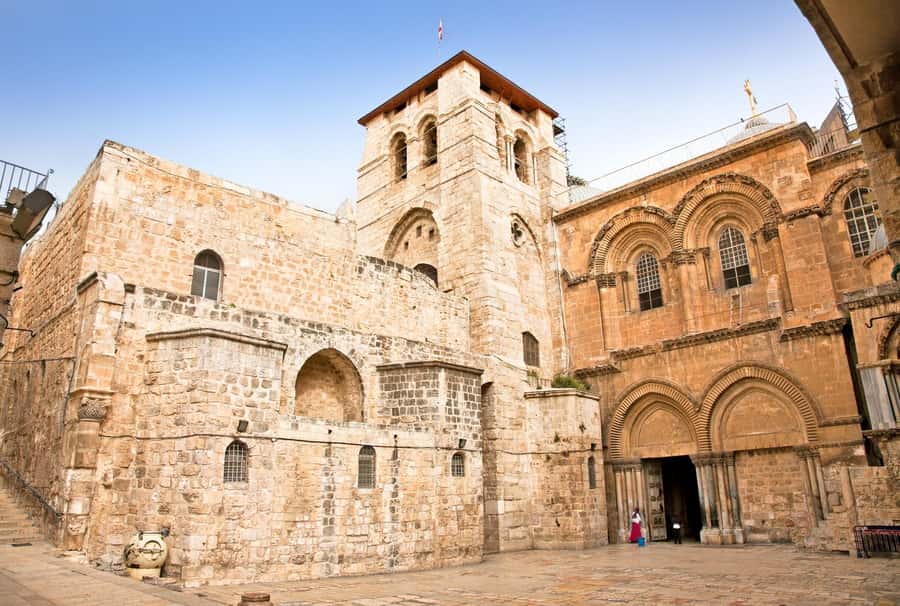
- The final stop is the Church of the Holy Sepulchre: The church marks the traditional sites of Jesus’s crucifixion and burial.
- The outing ends in the Old City: Plan your lunch, onward sightseeing, and return transportation yourself.
Mount Scopus puts Jerusalem in context
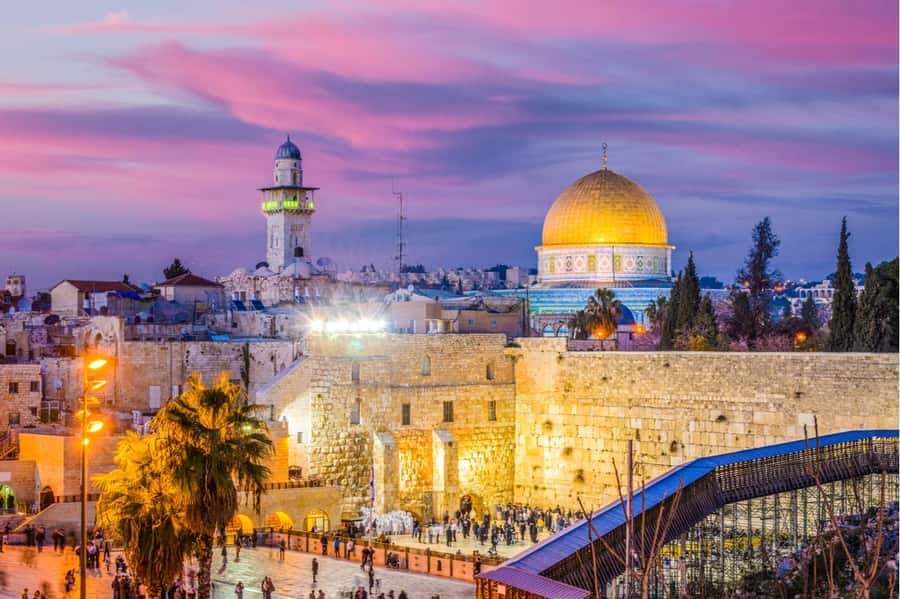
Your morning begins at Mount Scopus, where the city opens up below you. This is a smart first stop because Jerusalem can feel confusing at street level. From here, you can see the ancient Jewish cemetery, the Old City walls, and the Dome of the Rock shining on the Temple Mount.
The view also helps you connect the places you will visit later. The Western Wall lies along the Temple Mount’s supporting walls, while the Old City quarters sit close together inside the walls. Your guide can point out how the modern city wraps around this much older center.
The view is especially useful if this is your first visit to Jerusalem. You get a mental map before entering the tight lanes, where one turn can take you from a quiet courtyard to a crowded shopping street. The setting also invites a long look at the city’s layered past, including the Second Temple, which was destroyed in AD 70.
You should not expect a lengthy walk at every stop. This is a brisk half-day program, and Mount Scopus works as a lookout and orientation point rather than a major hike. Bring a camera, but give yourself time to listen too. The value here is not just the photograph. It is understanding how the Old City fits together.
More things to do in Jerusalem:
- From Tel Aviv: Jerusalem and Bethlehem Guided Day Trip
★ 4.3 · 1,316 reviews - Tel Aviv: Jerusalem, Bethlehem & Dead Sea
★ 4.0 · 881 reviews - From Tel Aviv: Jerusalem Old & New City Bus Tour
★ 4.2 · 824 reviews
Down through the Kidron Valley to Gethsemane
From Mount Scopus, the vehicle follows the winding road toward the Kidron Valley. This change in level gives you another view of Jerusalem, now from closer to the Old City and its eastern side.
The route includes the Garden of Gethsemane and the Church of All Nations. These sites are important in Christian tradition, and the guide helps place them within the story of Jesus’s final days. The visit is brief enough that you should think of it as a guided introduction, not a long period for private reflection.
The Kidron Valley also contains ancient burial monuments. You can see the tombs associated with Absalom and Jehoshapat, Benei Hezir, and Zechariah. They add another layer to the route, since the valley is not only a religious setting but also a visible record of ancient burial practices.
Rain can affect this part of the morning. One booking from February described heavy rain that made it harder to appreciate the sites. Comfortable shoes are essential, and modest clothing is required throughout the religious portions of the tour. You will get more from the valley if the weather allows you to look around rather than rush from the vehicle to shelter.
Entering the Armenian Quarter through Zion Gate
The Old City portion begins at Zion Gate and continues into the Armenian Quarter. This is a good entry point because the tour does not begin with the most famous site. Instead, you get a gradual introduction to the city’s historic quarters and their different identities.
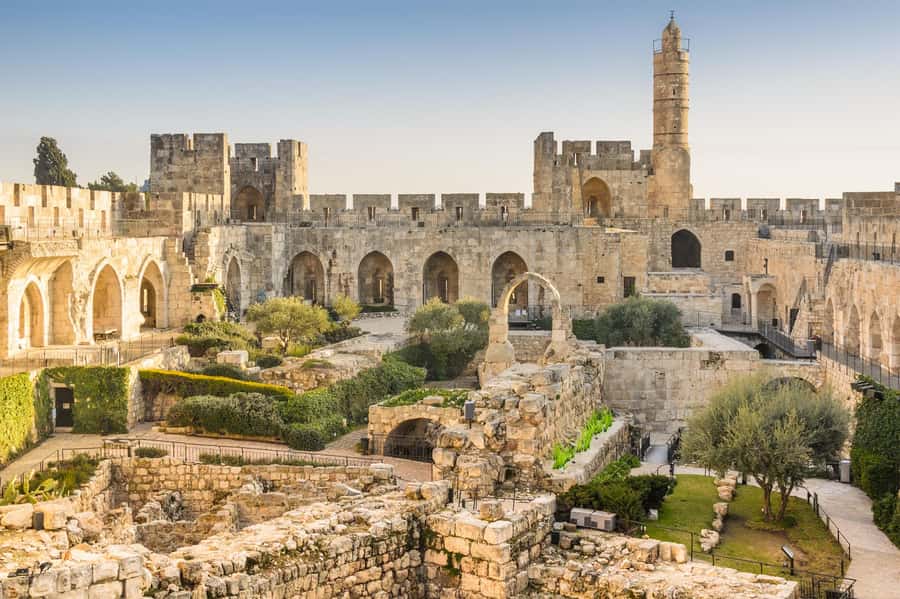
The Armenian Quarter leads toward the Byzantine Cardo. The Cardo was once a major street in the Roman and Byzantine city. After excavations, parts of the route were opened again, and specialty shops now occupy spaces where older commercial premises once operated.
The Cardo is a useful reminder that Jerusalem has never belonged to one period alone. Roman, Byzantine, Crusader, Ottoman, and modern layers meet within a short walk. Your guide’s explanation matters here because the surviving stones and rebuilt sections do not always tell the story by themselves.
This is also where a five-hour tour shows its limits. You will pass through important sections, but you will not have the time to explore every shop, courtyard, or side street. If you enjoy slow wandering, mark places you want to revisit after the tour ends.
The Jewish Quarter and the Western Wall
From the Cardo, the route continues through the Jewish Quarter toward the Western Wall. This is the emotional center of the tour for many people, but it is important to approach it with respect. The Western Wall is an active place of Jewish prayer, not just an archaeological remnant.
The wall is about 2,000 years old and formed part of the outer supporting walls of the Second Temple compound. The temple itself was destroyed in AD 70, but this surviving section remains one of the most sacred places in Judaism.
You may see people praying, reading, or placing notes between the stones. Your guide can explain what you are seeing, but you should also allow the site to speak for itself. Keep your voice low, follow local directions, and wear modest clothing. Religious expectations can apply to different sections of the plaza, so listen carefully before approaching.
The Western Wall is a strong reason to choose this tour over a simple city walk. You get the background needed to understand why the site matters, then you see it within the setting of the Jewish Quarter. A short visit can still feel substantial when the historical setting and present-day religious life are considered together.
A completely different kind of day:
- From Jerusalem: Masada & Dead Sea Full Day Tour with Pick Up
★ 4.5 · 815 reviews - Masada and the Dead Sea Day Trip from Jerusalem
★ 4.5 · 757 reviews - Day Tour to Jerusalem and Bethlehem from Tel Aviv
★ 4.5 · 720 reviews - From Jerusalem: Nazareth and Sea of Galilee Tour
★ 4.5 · 588 reviews
Walking the Via Dolorosa toward the Holy Sepulchre

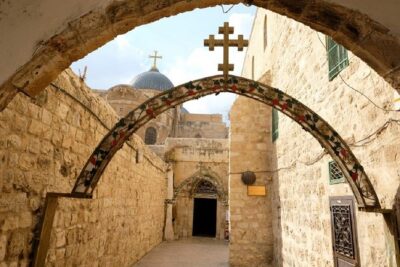
After the Western Wall, the route turns toward the Via Dolorosa, also called the Way of Sorrows. You pause at several Stations of the Cross before reaching the Church of the Holy Sepulchre.
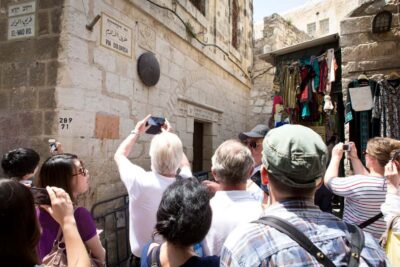
The path is one of Jerusalem’s most meaningful Christian routes, but it is also a working part of the Old City. You move through narrow streets shared by worshippers, shopkeepers, and people going about daily business. That mix is part of the experience. Sacred places here are woven into ordinary city life.
The Church of the Holy Sepulchre is built on the traditional site of Jesus’s crucifixion and burial. Inside, the basilica contains the burial tomb associated with Jesus. The building has been renovated, rebuilt, and expanded over many centuries, so it is not a simple single-period church.
Expect an ornate and complex interior rather than a quiet, empty monument. The church serves as a place of worship, and access or movement can vary with religious services and local conditions. The short tour format means your guide will need to keep the group moving, especially if the church is crowded.
This is one part of the experience where a guide is particularly helpful. The church can be hard to understand at first glance, with chapels, altars, and different Christian traditions sharing one large basilica. A clear explanation turns the visit from a quick stop into a meaningful final chapter.
Markets, souvenirs, and the end of the morning
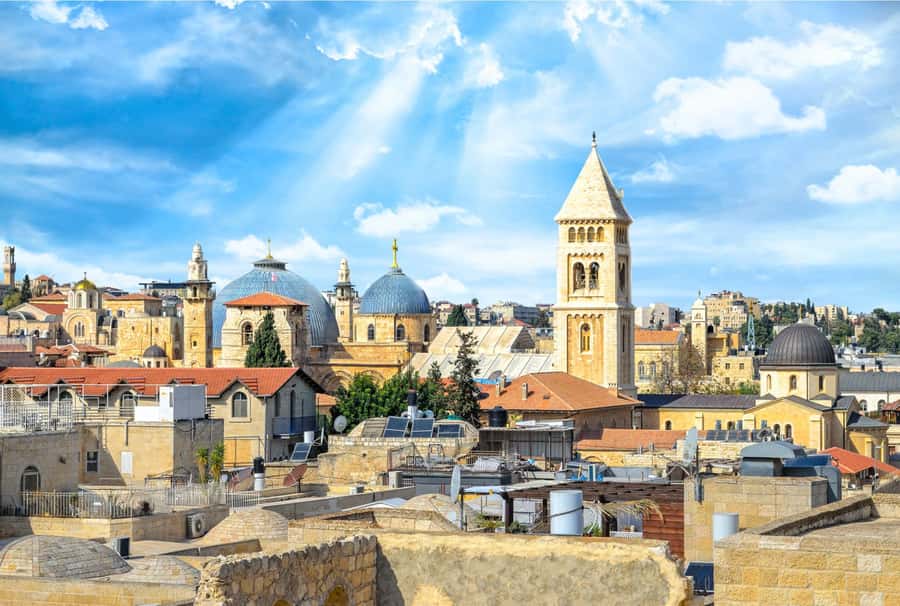
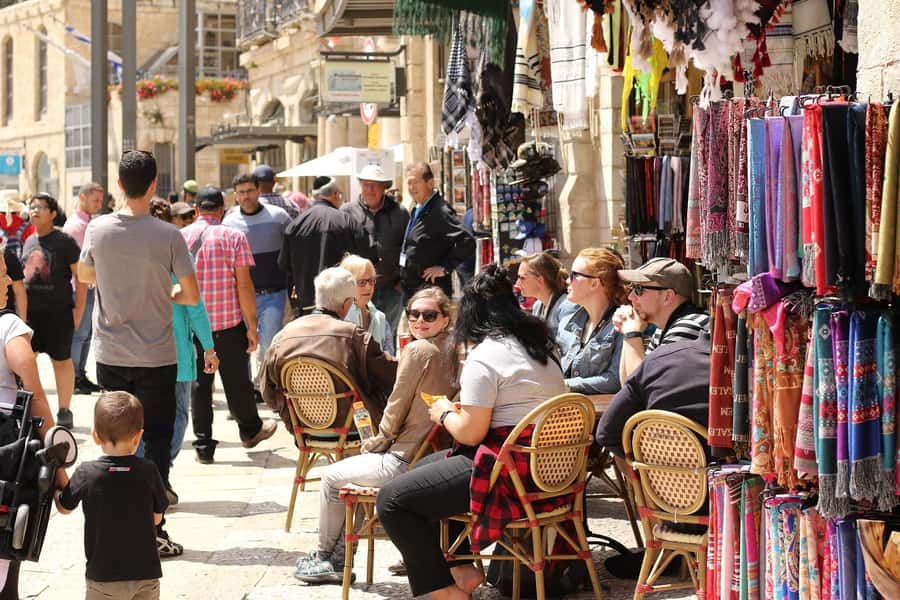
The tour finishes with a walk through the Old City markets. This gives you a lighter ending after the serious religious sites and lets you see the commercial side of Jerusalem.
You can shop for souvenirs connected with the city, but you should not feel pressured to buy. The markets are also useful for observing how the Old City works as a living neighborhood. Shops, worship sites, and old stone lanes sit side by side.
The tour ends in the Old City at about 1:00 p.m., rather than returning you to your hotel. That can be a benefit if you want to continue exploring, eat lunch nearby, or visit another site on foot. It is less convenient if you have luggage, a fixed afternoon booking, or a long journey back across Jerusalem.
Hotel pickup is included, while hotel drop-off is not. The stated meeting point is the David Citadel Hotel at 7 King David Street, so confirm the exact pickup arrangement when you book. One reported morning involved being called for pickup at 7:50 a.m. but not beginning the visit until 9:30 a.m. That kind of delay matters on a five-hour tour, so ask for a firm pickup and start time.
What the $385 price really buys you
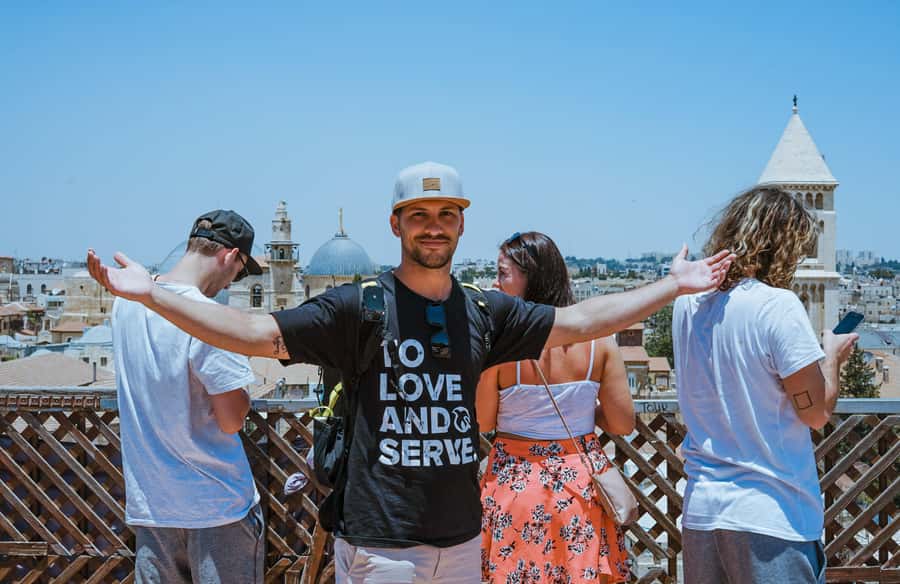
At $385 per person, this is an expensive half-day experience. The price makes the most sense if you place a high value on private transportation, a professional English-speaking guide, and an efficient route between sites that can be difficult to connect on your own.
The air-conditioned vehicle is useful, particularly in warm weather or after walking on stone streets. Hotel pickup also removes one early planning task. You are paying for organization and interpretation as much as for entry into the city.
Still, the cost deserves careful thought. Food and drinks are excluded, as are insurance and hotel drop-off. The total time is advertised as five hours, but the usable sightseeing time can shrink if pickup coordination is slow. The available rating is 3.8 from 47 ratings, which suggests a generally worthwhile experience with some unevenness.
The strongest praise focuses on the guide and the sites. Several ratings describe the guide as excellent and praise the guide’s knowledge of the places. One French-language rating specifically called the guide very good and the visit interesting, while also criticizing the long wait before the tour started. That combination gives you a fair picture: the guiding can be a major strength, but the morning schedule needs confirmation.
Who will get the most from this tour
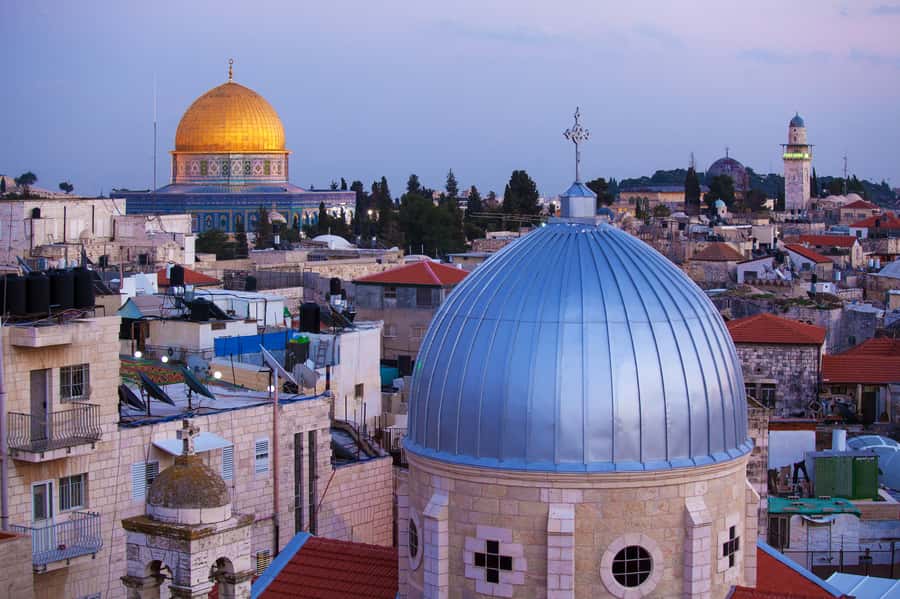
I would recommend this tour to a first-time visitor who wants a broad introduction to Jerusalem without spending a full day on the road. You see major Jewish and Christian sites, gain a basic map of the Old City, and finish early enough for another activity.
It also suits you if religious history is central to your visit. The Western Wall, Garden of Gethsemane, Via Dolorosa, and Church of the Holy Sepulchre form a serious and well-connected route.
You should think twice if you prefer slow, independent exploration. Five hours is not enough for long visits at every stop, relaxed shopping, or detailed time inside each church and quarter. The price is also difficult to justify if you can arrange local transportation and guiding at a lower cost.
This tour may not suit you if you need to return to your hotel immediately afterward. The endpoint is the Old City, and no hotel drop-off is included. Also, if rain is in the forecast, prepare for a less comfortable experience in the valley and along the stone streets.
Practical advice for a smoother morning
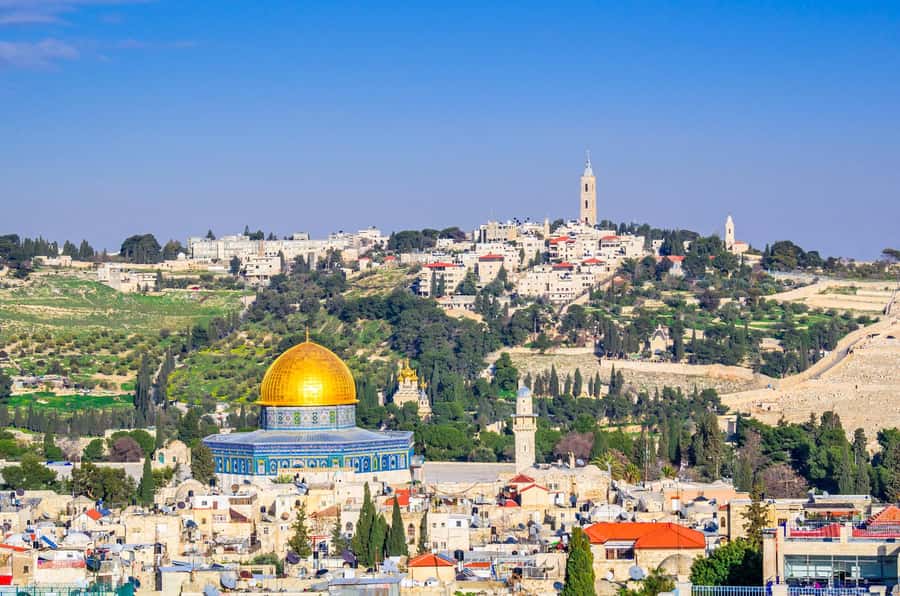
Wear comfortable shoes with good grip. You will be walking through old quarters and along uneven stone surfaces, even though the vehicle handles the longer connections.
Dress modestly from the start. This is required at the religious sites, and it is easier than trying to adjust your clothing during the morning. Bring only what you need, since narrow streets and busy markets are easier to manage with a small bag.
Ask about the pickup schedule before the day begins. The advertised meeting point is the David Citadel Hotel, but hotel pickup is also included, so make sure you know where and when to wait. A delayed start can cut into the very sites you paid to see.
If you hold a diplomatic or foreign passport and a three-month entry permit, provide valid passport details so the operator can apply the VAT exemption required under Israeli law. Otherwise, VAT may be charged.
English is the stated tour language, and the tour is led by a live guide. Free cancellation is available up to 24 hours before the start, and you can reserve now and pay later, which helps if your Jerusalem schedule is still shifting.
Should you book the Holy Jerusalem Half-Day Tour?
Book it if you want an organized first look at Jerusalem’s sacred core, especially the Western Wall and Church of the Holy Sepulchre. The Mount Scopus view, the Kidron Valley, and the walk through the Armenian and Jewish quarters give the morning a useful shape rather than reducing it to two famous stops.
I would book only after confirming the pickup time and asking how much time is normally spent sightseeing. At $385, the guide and smooth transport need to deliver real value. If the start is punctual and the guide is as strong as the best ratings suggest, this can be a memorable and efficient introduction. If you want more time inside each site, a slower full-day visit or independent exploration may serve you better.
FAQ
How long does the tour last?
The tour duration is five hours. It ends in the Old City at approximately 1:00 p.m.
What sites are included?
The route includes Mount Scopus, the Garden of Gethsemane, the Church of All Nations, ancient tombs in the Kidron Valley, Zion Gate, the Armenian Quarter, the Byzantine Cardo, the Jewish Quarter, the Western Wall, the Via Dolorosa, and the Church of the Holy Sepulchre.
Is hotel pickup included?
Yes, hotel pickup is included. The stated meeting point is the David Citadel Hotel at 7 King David Street in Jerusalem, so confirm the exact pickup details when booking.
Does the tour return me to my hotel?
No. Hotel drop-off is not included. The tour ends in the Old City.
What language is the tour offered in?
The tour is offered in English with a live tour guide.
What should I wear and bring?
Bring comfortable shoes and wear modest clothing. Modest dress is required at the religious sites.
Just added in Jerusalem
- Walking Jerusalem in Russian★ 5.0 · 1 review
- private Full-Day Tour to Bethlehem and Jerusalem★ 5.0 · 2 reviews
- Jerusalem and Dead Sea Trip from Tel Aviv★ 4.0 · 6 reviews
- Tel Aviv & Old City of Jaffa – Tiny group from Tel Aviv★ 4.5 · 9 reviews
- Tel Aviv; Jaffa Old City, Port & Shuk Hapishpishim Walking Tour★ 4.5 · 11 reviews
- Tel Aviv: Food & History Tour of Jaffa Old City & Flea Market★ 5.0 · 1 review
- Discover the Secrets of the Underground Jerusalem with a private tour★ 5.0 · 4 reviews
- Private Tour from Tel Aviv to Jerusalem★ 5.0 · 3 reviews
Half-Day, compared.
Jerusalem Half-Day Tour from Tel Aviv: Holy Sepulchre and Western Wall
Read our review →