Reviewed · JERUSALEM TOURS
Jerusalem: Meet the Orthodox Jews Tour
Look beyond Jerusalem’s familiar sights. This 150-minute walking tour takes you into a traditional ultra-Orthodox neighborhood that most visitors never see, guided by someone who once belonged to that world. I like the former insider perspective, which gives the tour both personal detail and room for honest discussion. I also like the chance to see everyday places such as a bakery, bookstore, clothing shop, synagogue, and yeshiva, rather than only hearing a lecture about religious life.
The main consideration is that this is a street-level look, not a full series of interior visits. Some places cannot be entered because of local religious rules, and noise can make the guide difficult to hear at times. Still, at $53 per person, I find the two-and-a-half-hour experience a strong value for anyone who wants to understand a part of Jerusalem that is easy to observe from afar but harder to understand.
In This Review
- Key points to know before booking
- Why this part of Jerusalem matters
- Meeting near Ha-Nevi’im Street
- Entering a neighborhood most tourists miss
- Shops, bakeries, and the details of ordinary life
- The big questions: marriage, women, phones, and food
- The former insider perspective
- A tour built around questions, not a script
- Dress rules and respectful behavior
- Is $53 a fair price?
- Who should book this walk?
- My verdict on the Orthodox Jews Tour
- FAQ
- Where does the tour meet?
- How long does the tour last?
- What language is the tour conducted in?
- What is included in the price?
- Are food and drinks included?
- Can I enter the shops and religious sites?
- What clothing should I wear?
- What should I bring?
- Can I cancel for a full refund?
- Do I have to pay when I book?
Key points to know before booking
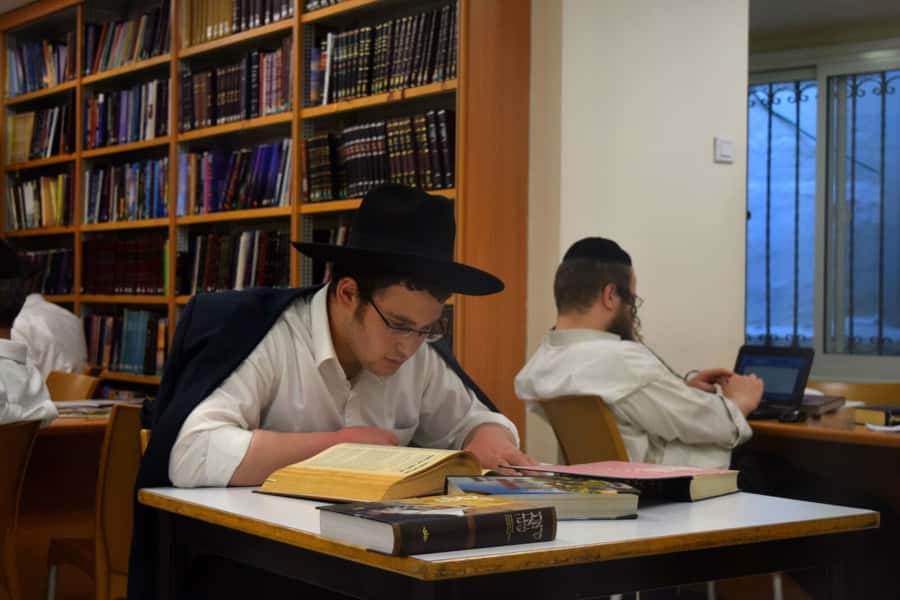
- A former community member leads the walk: Guides such as Moti explain customs from personal experience, including the reasons behind rules that may seem puzzling at first.
- The route focuses on daily life: You see the outside of shops, religious institutions, and neighborhood businesses, with explanations of how they serve the local community.
- Expect an open question-and-answer format: Marriage, women’s roles, phones, media, charity, kosher food, Sabbath, and politics all come into the discussion.
- Modest dress is essential: Bring a scarf or shawl for women, and avoid shorts and bare shoulders for everyone.
- The tour is mostly observational: Some sites are forbidden to enter, so you learn by walking, looking, and listening.
- It is highly praised for its personal impact: Several people describe the experience as changing how they view the ultra-Orthodox community.
Why this part of Jerusalem matters
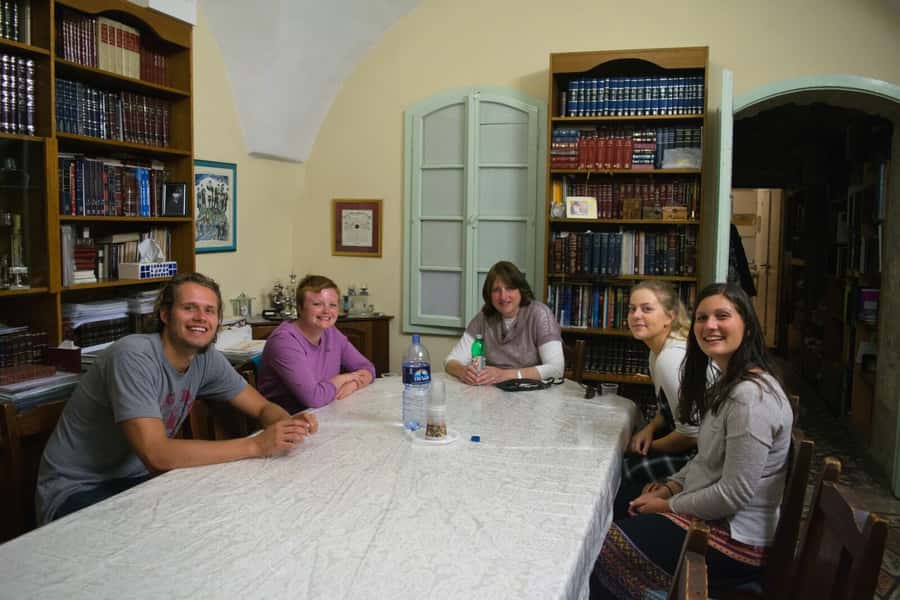
Jerusalem is full of famous places where religious life is presented through monumental buildings and ancient stones. This tour shifts your attention to people, routines, clothing, shops, schools, family customs, and the small signs that shape a neighborhood.
The ultra-Orthodox community, also called Haredi, follows religious rules that affect nearly every part of daily life. Those rules influence food, work, family structure, education, technology, worship, dress, and the rhythm of the week. If you have only seen black coats and traditional clothing from a distance, you may leave with a more careful understanding of the people behind those outward signs.
I appreciate that the walk does not reduce the community to a collection of unusual customs. The guide is encouraged to explain both the appeal and the pressure of this way of life. That distinction matters. You are not simply shown a closed neighborhood and told to find it strange. You are given context for why the community works as it does and how its members relate to wider Israeli society.
More things to do in Jerusalem:
- From Tel Aviv: Jerusalem and Bethlehem Guided Day Trip
★ 4.3 · 1,316 reviews - Tel Aviv: Jerusalem, Bethlehem & Dead Sea
★ 4.0 · 881 reviews - From Tel Aviv: Jerusalem Old & New City Bus Tour
★ 4.2 · 824 reviews
Meeting near Ha-Nevi’im Street
The current meeting point is the bus stop outside Abraham Jerusalem, at Ha-Nevi’im Street 67. The hostel itself is closed at the moment, so do not assume you are meeting inside its lobby.
This is a useful place to arrive early, especially if you are unfamiliar with Jerusalem’s streets. The tour lasts 150 minutes, and one person who arrived late was able to join after receiving a live location from the guide. That is a kind gesture, but I would not treat it as a reason to cut things close. A walking tour through unfamiliar streets is easier when you begin calmly.
The tour is conducted in English. Bring water and a hat, since the route is outdoors and Jerusalem’s sun can be sharp. A camera is listed as useful, but use it with care and respect. This is a residential religious community, not a stage set, and your guide is the right person to ask before photographing people or sensitive places.
Entering a neighborhood most tourists miss
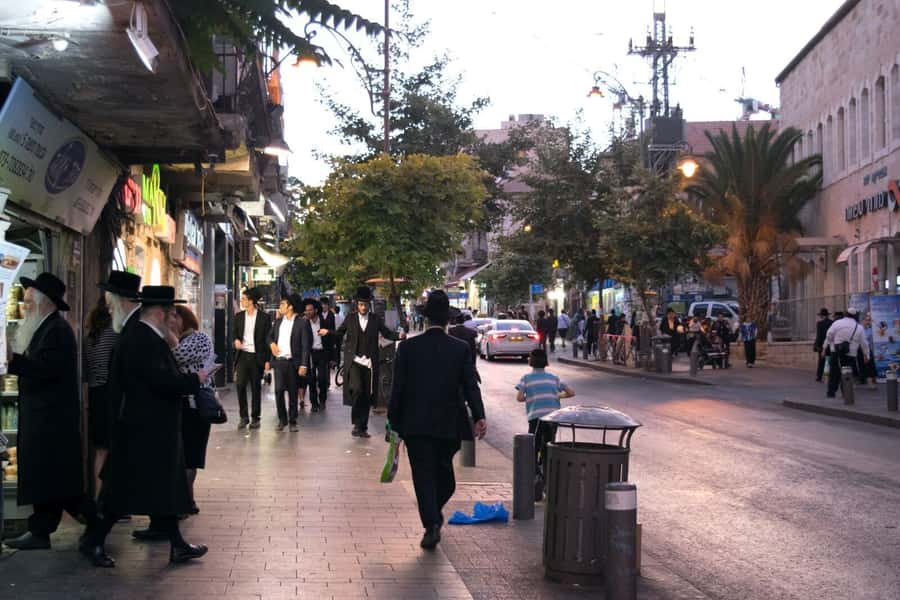
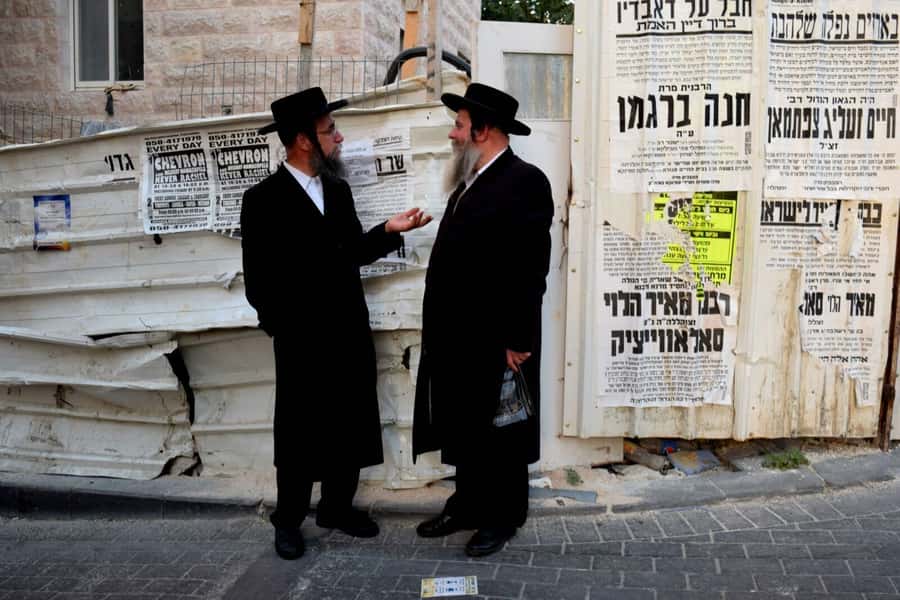
The route takes you through a traditional ultra-Orthodox neighborhood near central Jerusalem. The value is not in ticking off one grand sight. It is in learning how the neighborhood operates as a complete social world.
Your guide points out religious symbols and explains customs as you walk. A sign, a doorway, a shop display, or a particular form of dress may carry meaning that is invisible to an outsider. Without explanation, you could easily pass through and understand very little.
This is also where the tour’s limits become clear. Some businesses or religious sites cannot be entered because the local community forbids it. You may look from outside while the guide explains what happens within. If you want a shopping tour or a series of open-door attractions, this will feel restricted. If you want a respectful introduction to a community that sets its own boundaries, those limits are part of the lesson.
The walking pace allows the guide to stop for questions. You should use that opportunity. The best parts of the experience are likely to come from asking why a custom exists, how a rule works in practice, or how community members view people who leave.
Shops, bakeries, and the details of ordinary life
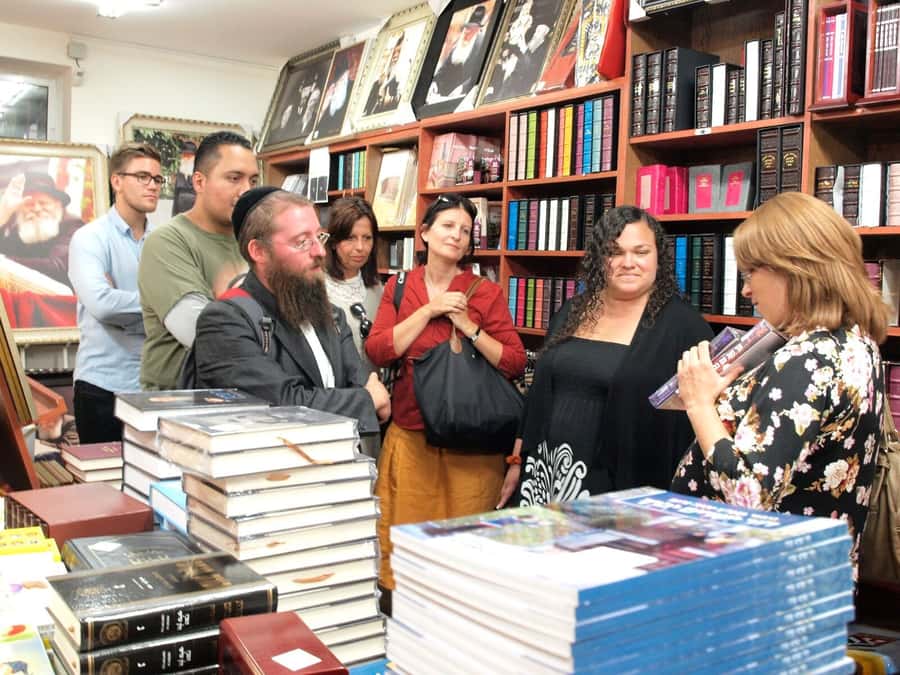
The stops are chosen to show ordinary life, not just formal worship. You may see a bookstore, music store, restaurant, bakery, clothing shop, synagogue, and yeshiva from the street.
Each place helps explain a different part of the community. A bookstore can point to the role of religious study. A music shop offers a glimpse into entertainment shaped by religious standards. A bakery connects food to kosher rules and holiday practice. Clothing stores show how dress communicates belonging, modesty, and religious identity.
The point is not that these businesses are tourist attractions. They are useful because they show how a neighborhood meets the needs of its own residents. You begin to see the area as a functioning community with its own services, social expectations, and internal economy.
Do not expect a long stop at every location. The tour has only two and a half hours, and some places are viewed from outside. Still, the variety keeps the walk moving and gives you many openings for questions.
A completely different kind of day:
- From Jerusalem: Masada & Dead Sea Full Day Tour with Pick Up
★ 4.5 · 815 reviews - Masada and the Dead Sea Day Trip from Jerusalem
★ 4.5 · 757 reviews - Day Tour to Jerusalem and Bethlehem from Tel Aviv
★ 4.5 · 720 reviews - From Jerusalem: Nazareth and Sea of Galilee Tour
★ 4.5 · 588 reviews
The big questions: marriage, women, phones, and food
The discussion covers subjects that are often simplified in casual conversation. Marriage and family life are important topics, along with the role of women, education, charity, media, mobile phones, kosher food, and the Sabbath.
These conversations give the tour its real weight. You can ask about the subjects that are difficult to understand from guidebooks or from looking at the neighborhood alone. The guide’s own background allows for practical explanations rather than abstract definitions.
The subject of technology is especially revealing. Phones and media are not just matters of personal preference in a strict religious community. They can raise questions about outside influence, family standards, education, and communal trust. The tour uses such subjects to show how religious principles meet modern life.
Food and Sabbath customs also become easier to understand when connected to daily routines. You learn that kosher practice is not simply a list of foods to avoid, and the Sabbath is not merely a weekly holiday. These rules affect shopping, cooking, work, travel, business hours, and social life.
The guide also discusses the community’s current place in Israeli society. That wider view helps you connect the neighborhood to the country beyond its streets. The subject can be sensitive, and the quality of the experience depends greatly on the guide’s ability to handle disagreement. The strongest reports describe a guide who answered difficult questions with warmth, humor, and composure.
The former insider perspective
The tour’s most praised feature is the guide’s personal connection to the community. A former member can explain what it feels like to grow up inside the system, not just describe it from a distance.
That background adds detail. The guide can discuss customs from memory, explain the meaning behind them, and describe tensions that may not be visible to an outsider. At the same time, leaving the community can bring a critical perspective. The result, at its best, is neither promotional nor hostile.
One guide named Moti is specifically praised for answering personal questions and making the discussion comfortable. Other accounts describe a guide who shared his own story at the end of the walk. That personal ending affected some people strongly, because it showed that the tour was not only about social facts. It was also about a human decision with serious consequences.
You should still remember that one person’s story cannot represent every ultra-Orthodox Jew in Jerusalem. The guide offers a valuable window, not the final word. I find that a strength rather than a weakness, as long as you listen with curiosity and avoid treating one biography as a complete picture of an entire community.
A tour built around questions, not a script
You are encouraged to ask questions throughout the walk. This makes the experience more flexible than a standard sightseeing route.
If you are curious about marriage, ask. If you want to understand women’s roles, education, charitable support, or restrictions on media, bring it up. The guide is expected to discuss difficult issues openly, and several people appreciated the chance to ask direct and even personal questions.
That freedom also means your experience may depend on the group. A group with many questions can spend more time talking and less time looking at each stop. A quieter group may cover more streets but have a less lively conversation. One practical complaint was that more time to look around would have been welcome.
There is also a listening issue. In noisy areas, it may be hard to hear every word, and headsets are not provided. Stay close to the guide and ask for a repeat if needed. This is especially important when the guide is explaining a subtle point rather than giving a simple direction.
Dress rules and respectful behavior
Modest clothing is required. Do not wear shorts or sleeveless shirts, and do not arrive with bare shoulders. Women should bring a scarf or shawl, and the guidance calls for modest dress for both men and women.
Treat these rules as part of preparation, not as a minor footnote. You are entering a community where clothing carries religious meaning, and ignoring the dress code could make the walk uncomfortable for you and disrespectful to residents.
Bring water, a hat, and a camera if you wish. The tour is outdoors, so comfortable walking clothes are sensible as long as they meet the modesty rules. Since the route includes religious and residential spaces, ask before taking close photographs of people, shops, or institutions.
The guide can explain what is acceptable locally. That is better than guessing.
Is $53 a fair price?
At $53 per person, the price is higher than a basic city walk, but this is not a general introduction to Jerusalem. You are paying for a focused subject, a two-and-a-half-hour route, and access to a guide with personal experience of the community.
The value is strongest if you would otherwise spend your visit wondering what life inside the neighborhood is like. You receive context about customs, social rules, food, worship, family life, and modern Israeli politics in one concentrated experience.
There is no food or drink included, and the tour does not promise tastings or shopping time. That keeps the focus on interpretation rather than extras. If you want a low-cost walk with many interior visits, $53 may feel high. If you value a rare conversation and a thoughtful introduction to a community that is not usually open to tourists, the price is reasonable.
The high rating of 4.9 from 103 reviews supports the idea that the experience delivers strong value for its intended audience. The praise focuses on the guide, the personal stories, and the chance to ask questions, not on polished attractions or luxury service.
Who should book this walk?
I would recommend it to you if you want to understand Jerusalem through its living communities, not only its historic monuments. It suits curious adults, students, culturally minded visitors, and anyone who has felt uncertain about how to interpret ultra-Orthodox life.
It is also a good choice if you prefer discussion to a rigid sightseeing script. You can bring serious questions and hear explanations that connect religious practice to ordinary choices.
You may want to skip it if you dislike walking, need every stop to offer interior access, or prefer a purely devotional presentation. The tour discusses conflict, social pressure, changing technology, and the relationship between the ultra-Orthodox sector and modern Israel. It is not designed to flatter every viewpoint.
Families can consider it, but the subject matter may be more useful for older children and teenagers who can take part in a thoughtful conversation. The supplied information does not set a minimum age, so check the booking details if that matters for your group.
My verdict on the Orthodox Jews Tour
Book this tour if you want a serious, personal look at a part of Jerusalem that is usually observed from the outside. The former insider guide is the central reason to go, and the open discussion makes the experience more than a neighborhood walk.
Go with modest clothing, water, and patience. Stay close enough to hear, ask respectful questions, and remember that some doors will remain closed. For $53, you get a rare chance to replace quick assumptions with a more human understanding of ultra-Orthodox life.
FAQ
Where does the tour meet?
Meet at the bus stop outside Abraham Jerusalem at Ha-Nevi’im Street 67 in Jerusalem. Abraham Jerusalem is currently closed.
How long does the tour last?
The walking tour lasts 150 minutes, or two and a half hours.
What language is the tour conducted in?
The live tour guide speaks English.
What is included in the price?
A guided walking tour in Jerusalem is included.
Are food and drinks included?
No. Food and drinks are not included.
Can I enter the shops and religious sites?
Some places cannot be entered because the local community forbids it. You may view them from outside while the guide explains their role.
What clothing should I wear?
Modest clothing is required. Do not wear shorts or sleeveless shirts. Women should bring a scarf or shawl, and both men and women should cover their shoulders.
What should I bring?
Bring a hat, water, and a camera.
Can I cancel for a full refund?
You can cancel up to 24 hours in advance for a full refund.
Do I have to pay when I book?
You can reserve now and pay later, so you do not need to pay at the time of booking.
Just added in Jerusalem
- Walking Jerusalem in Russian★ 5.0 · 1 review
- private Full-Day Tour to Bethlehem and Jerusalem★ 5.0 · 2 reviews
- Jerusalem and Dead Sea Trip from Tel Aviv★ 4.0 · 6 reviews
- Tel Aviv & Old City of Jaffa – Tiny group from Tel Aviv★ 4.5 · 9 reviews
- Tel Aviv: Food & History Tour of Jaffa Old City & Flea Market★ 5.0 · 1 review
- Tel Aviv; Jaffa Old City, Port & Shuk Hapishpishim Walking Tour★ 4.5 · 11 reviews
- Discover the Secrets of the Underground Jerusalem with a private tour★ 5.0 · 4 reviews
- Private Tour from Tel Aviv to Jerusalem★ 5.0 · 3 reviews
Jerusalem Tours, compared.
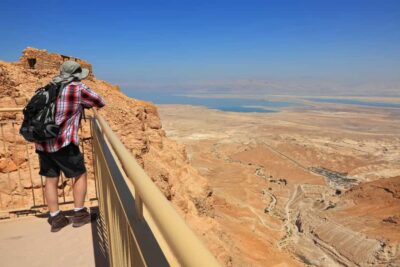

Masada and the Dead Sea Day Trip from Jerusalem
Read our review →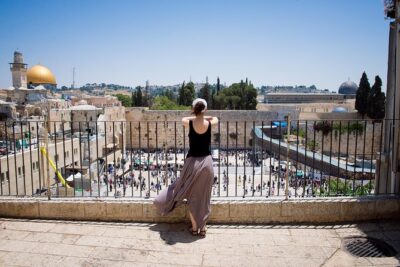
Day Tour to Jerusalem and Bethlehem from Tel Aviv
Read our review →