
Reviewed · CITY TOURS
Jerusalem: Old City Highlights Tour
Jerusalem rewards curious walkers. This 10-hour tour brings together Mount Scopus views, the Old City’s four quarters, the Western Wall, Via Dolorosa, Church of the Holy Sepulchre, and Mount Zion in one packed day. I like the broad sweep of the route, and I like that transport, a guide, and entry fees are included. The main consideration is pace: you cover a great deal of ground, often on foot, and the schedule changes on Mondays and Thursdays.
I also appreciate the clear focus on major sacred places rather than a vague city drive-by. The tour gives you time in the Armenian and Jewish quarters, a look at the Byzantine Cardo, a walk through the bazaar, and views toward the Kidron Valley. The drawback is that food and drinks are not included, so you need to plan for a full day without a provided meal.
In This Review
- Key points to know before you go
- Starting above Jerusalem on Mount Scopus
- Entering through Zion Gate and the Armenian Quarter
- The Jewish Quarter and the Byzantine Cardo
- Walking the Via Dolorosa
- The Church of the Holy Sepulchre
- Shopping and people-watching in the Old City bazaar
- Gethsemane, the Church of All Nations, and the Kidron Valley
- Mount Zion and its important rooms
- The Holocaust Museum substitution
- Is $75 a fair price for ten hours?
- Who will enjoy this Jerusalem tour most?
- Practical advice for a smoother day
- Should you book the Old City Highlights Tour?
- FAQ
- How long does the Jerusalem Old City Highlights Tour last?
- What languages are available?
- What sites are included on the regular itinerary?
- Does the tour include transportation?
- Are entry fees included?
- What clothing is required?
- What happens on Mondays and Thursdays?
Key points to know before you go
- A full-day route with major sights: Ten hours lets you see far more than the Old City alone, including Mount Scopus, Gethsemane, and Mount Zion.
- Sacred sites are the main event: The Western Wall, Via Dolorosa, Church of the Holy Sepulchre, King David’s Tomb, and the Room of the Last Supper all feature prominently.
- The Monday and Thursday itinerary changes: On those days, except during Jewish holidays, the tour visits the Holocaust Museum instead of several Mount Zion and Garden of Gethsemane stops.
- Modest clothing is required: Shorts, short skirts, and sleeveless shirts are not allowed at the holy sites.
- Transport and entry fees are included: That makes the $75 price easier to assess, especially for a first visit to Jerusalem.
- The tour is not designed for everyone: Children under four and wheelchair users cannot join, and children under ten cannot visit Yad Vashem because of its sensitive content.
Starting above Jerusalem on Mount Scopus
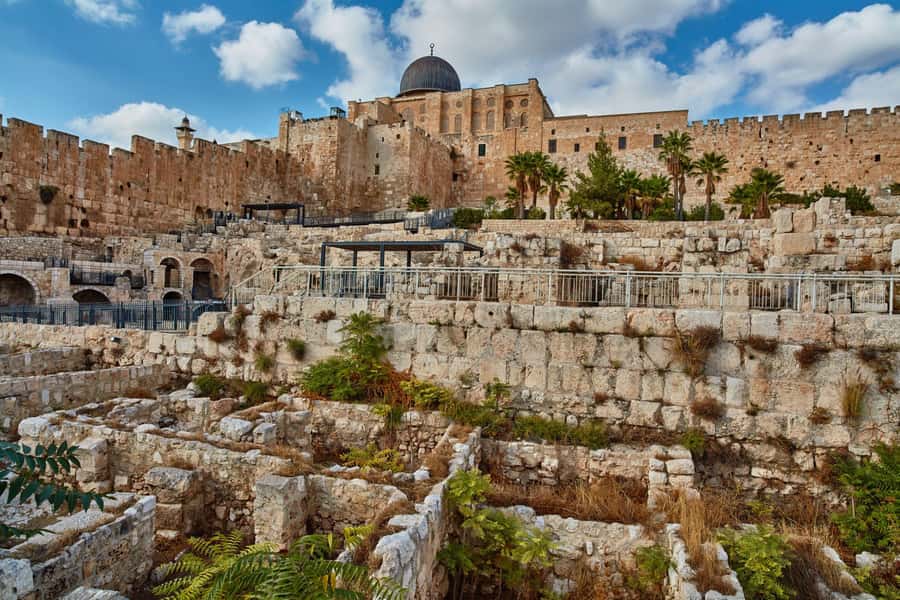
The day begins with a panoramic view from Mount Scopus. This is a smart opening because Jerusalem can feel confusing at street level, especially when you first arrive. From above, you get a broad sense of the city before entering its narrow lanes and walled quarters.
The view also gives the tour a useful sense of place. You can look toward the Old City, the Kidron Valley, and the hills around Jerusalem before the walking begins. I like this kind of start because it helps you understand that the Old City is not an isolated museum area. It is part of a larger, layered city.
The tour uses an air-conditioned coach, with pickup and drop-off included. Exact pickup points and times depend on availability, so check those details before booking. The coach matters on a 10-hour day. It saves your energy for the parts of Jerusalem where walking is the only sensible way to move.
More things to do in Jerusalem:
- From Tel Aviv: Jerusalem and Bethlehem Guided Day Trip
★ 4.3 · 1,316 reviews - Tel Aviv: Jerusalem, Bethlehem & Dead Sea
★ 4.0 · 881 reviews - From Tel Aviv: Jerusalem Old & New City Bus Tour
★ 4.2 · 824 reviews
Entering through Zion Gate and the Armenian Quarter
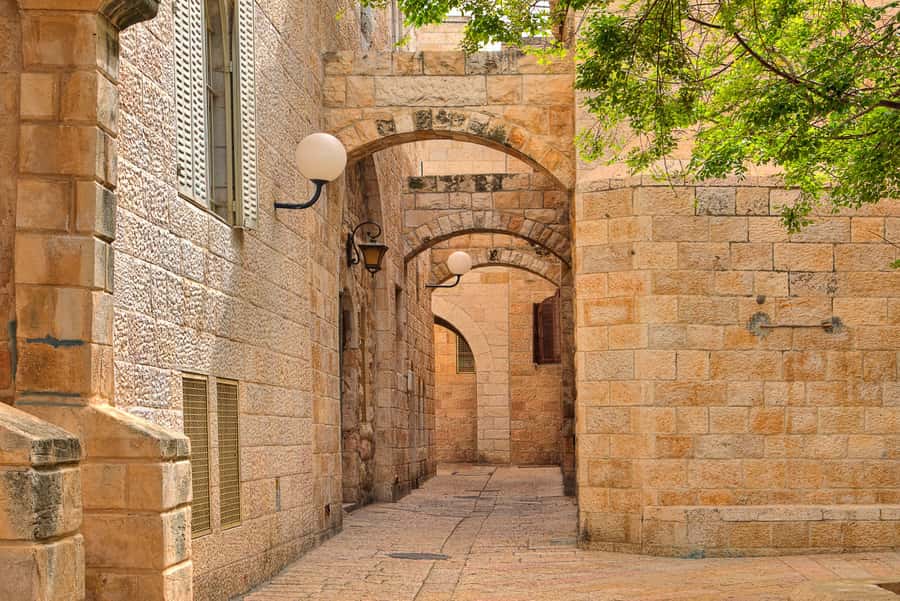
The route enters the Old City through historic Zion Gate and continues into the Armenian Quarter. This is one of the less hurried parts of the itinerary, at least in spirit, because the quarter offers a quieter introduction to the Old City than the crowded market lanes.
Jerusalem’s quarters each have a different character, and passing through them helps you notice the city’s cultural divisions. The Armenian Quarter is followed by the Jewish Quarter, so the route shifts from one community’s spaces to another without requiring you to navigate the maze alone.
You should expect old stone lanes, uneven walking surfaces, and frequent stops for explanations. Comfortable shoes are important. This is not a coach tour where you simply step out, take a photo, and climb back aboard.
The Jewish Quarter and the Byzantine Cardo
In the Jewish Quarter, you see the remains of the Byzantine Cardo. The Cardo was a main avenue in the Roman and Byzantine periods, and its remains give you a glimpse of how organized this ancient city once was. The sight is especially useful because it turns history into something you can see in the street itself.
I like this stop for its scale. The Western Wall is emotionally powerful and visually famous, but the Cardo gives you a different kind of understanding. Instead of focusing only on faith, you get a sense of urban life, trade, and movement in earlier Jerusalem.
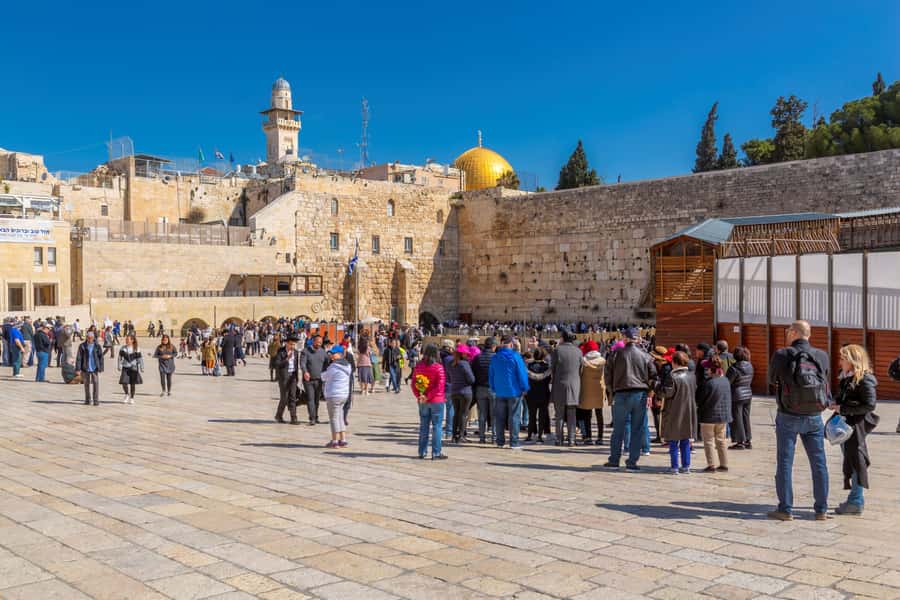
The tour then reaches the Western Wall, one of the central stops of the day. It is a sacred site and an active place of prayer, not simply a monument for photographs. You should dress respectfully, follow the guide’s instructions, and allow the atmosphere to speak for itself.
Modest clothing is required. Shorts, short skirts, and sleeveless shirts are not permitted, so dress conservatively from the start rather than trying to adjust your outfit halfway through the day.
Walking the Via Dolorosa
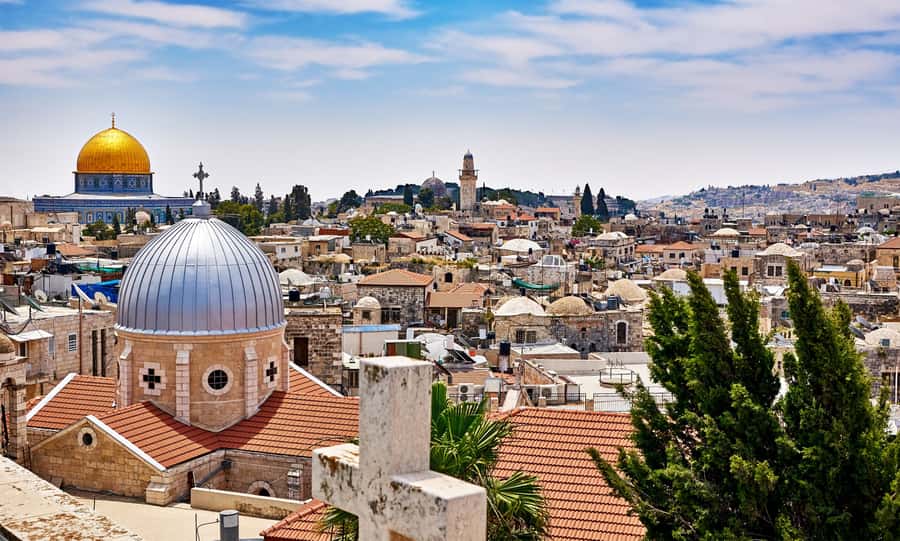
The route next follows the Via Dolorosa, the traditional path associated with Jesus on the way to his crucifixion. This is one of the most meaningful parts of the tour for Christian visitors, but it is also an interesting walk for anyone who wants to understand the Old City’s religious geography.
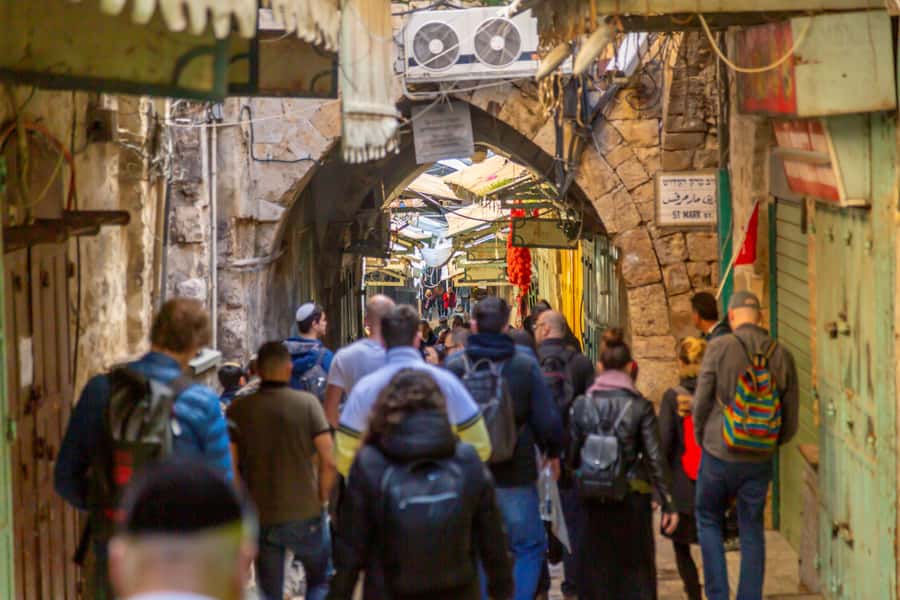
The Via Dolorosa runs through busy, narrow streets. You may pass shops, religious landmarks, and daily city life within a few steps of one another. That mixture is part of the experience. The route is not separated from modern Jerusalem. Sacred tradition and ordinary commerce share the same stone lanes.
This section can be physically demanding. The streets are not designed for a large, smooth walking path, and the day includes several more sites afterward. I would pace myself early, drink water when you can, and avoid carrying a heavy bag.
More city tours in Jerusalem:
- From Tel Aviv: Jerusalem Old City & Dead Sea Guided Day Tour
★ 4.4 · 389 reviews - Jerusalem: Guided Walking Tour of the Old City
★ 4.7 · 386 reviews - Full Day City Tour of Jerusalem
★ 4.1 · 367 reviews - From Jerusalem Small group tour Old&New City ENTRY FEES INCL
★ 4.0 · 135 reviews
The Church of the Holy Sepulchre
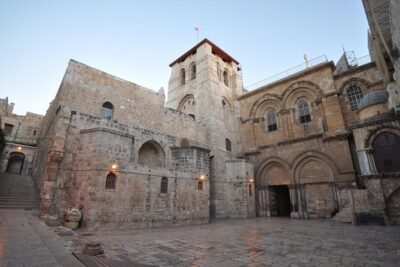
The Via Dolorosa leads to the Church of the Holy Sepulchre, one of Jerusalem’s most important Christian sites. It contains locations connected with the crucifixion and Christ’s tomb, along with centuries of religious objects and traditions.
The church can feel complex rather than easy to read. Different Christian communities have responsibilities within the building, and the space contains several chapels and points of devotion. A guide is useful here because the significance of each area may not be obvious at first glance.
The visit is likely to be one of the day’s major highlights, but it is worth setting your expectations correctly. This is a working place of worship. Crowds, waiting, and a serious religious mood are part of the setting. You may not get a quiet moment at every point, but the site’s importance comes through clearly.
I like that this tour includes both the Western Wall and the Church of the Holy Sepulchre. Seeing these two major sacred places in one day gives you a better understanding of Jerusalem as a city shared by several faith traditions.
Shopping and people-watching in the Old City bazaar
The tour also leaves room for the Old City bazaar. Its colorful stalls offer a change of pace after the churches and prayer sites. You may find yourself looking at spices, souvenirs, textiles, religious items, and other goods as you move through the market.
This is a good place to remember that Jerusalem is not only a collection of ancient sites. People shop, work, sell, and pass through these lanes every day. The bazaar connects the tour’s historical stops with the city’s present life.
Do not assume that the market portion is a long, open shopping break. The overall itinerary is packed, and the guide must keep the group moving. If you want to buy something, ask about the available time before wandering far from the group.
Gethsemane, the Church of All Nations, and the Kidron Valley
The route continues to the Garden of Gethsemane and the Church of All Nations. For Christian visitors, these sites are closely tied to the final events before the crucifixion. The setting also gives the day a calmer pause after the narrow streets of the Old City.
The tour includes a view of the Kidron Valley and its ancient Jewish tombs. This stop adds another layer to the day because it shifts your attention from church interiors and city walls to the valley outside the Old City.
The Kidron Valley view is also a useful reminder of Jerusalem’s geography. The city’s sacred sites are connected by hills, valleys, gates, and ridges. That is why the opening view from Mount Scopus matters: you are gradually learning how the city fits together.
There is an important schedule change here. On Mondays and Thursdays, except during Jewish holidays, the tour visits the Holocaust Museum instead of the Church of All Nations, King David’s Tomb, and the Room of the Last Supper on Mount Zion. Check the day of the week before booking if one version of the itinerary matters more to you than the other.
Mount Zion and its important rooms
On the regular route, the tour goes to Mount Zion to see the Dormition Church, the Room of the Last Supper, and King David’s Tomb. These stops are closely linked, but each offers a different focus.
The Dormition Church is associated with the tradition of Mary’s death and departure from earthly life. The Room of the Last Supper is traditionally connected with the final meal of Jesus and his disciples. King David’s Tomb is a Jewish holy site connected with the biblical king.
The value of visiting these places together is the contrast. Within a short stretch of Mount Zion, the tour brings you to sites important to Christian and Jewish traditions. Jerusalem often works this way. A single street or building can carry several layers of meaning, depending on the faith and tradition you bring with you.
As with the Western Wall, dress respectfully. The clothing rules apply throughout the holy sites, and a modest outfit is the easiest approach. The tour does not include food or drinks, so carry what you need for a long day, while following any instructions about bags inside religious sites.
The Holocaust Museum substitution
The Monday and Thursday alternative is not a minor change. On those days, except during Jewish holidays, the tour includes the Holocaust Museum instead of the Church of All Nations, King David’s Tomb, and the Room of the Last Supper.
The museum is not suitable for children under ten because of its sensitive content. If you are traveling with children, pay close attention to the calendar and the age rule before reserving. This change may be a meaningful addition for adults, but it gives the day a different emotional tone from the regular Mount Zion itinerary.
The supplied information does not specify how long the museum visit lasts or which parts of the museum are included. You should treat the day’s exact timing as subject to the guide’s schedule and the available starting time.
Is $75 a fair price for ten hours?
At $75 per person, the tour offers solid value for a first visit. You receive guide services, an air-conditioned coach, pickup and drop-off, and entry fees. If you tried to arrange transport between Mount Scopus, the Old City, Gethsemane, the Kidron Valley, and Mount Zion on your own, you would need to spend time working out the route and entrances.
The price is strongest for visitors who want structure. Jerusalem’s Old City is easy to enter but not always easy to understand. A guide can connect the Cardo, Western Wall, Via Dolorosa, Church of the Holy Sepulchre, and Mount Zion into one readable story.
The tradeoff is flexibility. A guided day has a fixed route and a fixed pace. You will not have unlimited time at the bazaar, the Western Wall, or the church. Independent visitors may prefer to focus on one quarter or one faith tradition for several hours, while this tour is better for seeing a wide range of major sites.
The tour has live guides in English, Spanish, and French. That language choice is useful, but confirm your preferred language and the start time when you check availability.
Who will enjoy this Jerusalem tour most?
I would choose this experience if I had one free day and wanted a first look at the city’s best-known sacred and historical places. It suits adults who prefer an organized route, visitors staying outside Jerusalem, and anyone who values transport between distant parts of the city.
It is also a good fit if you want to see more than the Old City walls. Mount Scopus, the Kidron Valley, Gethsemane, and Mount Zion give the day a wider reach than a basic Old City walking tour.
I would be more cautious if you dislike long days, uneven streets, or religious sites with a serious atmosphere. The tour is not suitable for wheelchair users or children under four. Children under ten cannot visit Yad Vashem on the museum version of the itinerary.
One verified booking from Thomas in the United States gave the experience five out of five and praised the Old City tour and staff. That matches the tour’s strongest point: it gives you a lot of Jerusalem in one well-organized day, provided you are ready for the pace.
Practical advice for a smoother day
Wear modest clothing from the moment you leave your hotel. Shorts, short skirts, and sleeveless shirts are not allowed, and changing your clothes later can be difficult.
Use comfortable shoes with good support. The itinerary includes the Old City’s stone lanes, the Via Dolorosa, market streets, and several outdoor viewpoints. Even with coach transport, this is a walking-heavy day.
Bring money for food and drinks because neither is included. The schedule is long, so you should not count on finding a convenient meal break exactly when you want one.
Check the calendar carefully. Mondays and Thursdays bring the Holocaust Museum version, except during Jewish holidays, and children under ten cannot enter Yad Vashem. That single scheduling detail may decide whether this tour fits your plans.
Free cancellation is available up to 24 hours before the tour for a full refund, and you can reserve now and pay later. Those policies are helpful if your Jerusalem plans are still shifting.
Should you book the Old City Highlights Tour?
Book it if you want a broad, guided introduction to Jerusalem with major sacred sites, transport, and entry fees handled for you. The $75 cost is reasonable for ten hours, especially when the route includes both the Old City and the surrounding hills.
Skip it if you want a slow, highly personal exploration or if your mobility makes long walks difficult. Also check the Monday and Thursday schedule before paying, since the museum substitution changes several of the regular stops.
For most first-time visitors who want to see Jerusalem’s headline sites in one day, this is a strong and practical choice. Just dress modestly, wear good shoes, carry your own refreshments, and accept that Jerusalem cannot be neatly covered without a busy schedule.
FAQ
How long does the Jerusalem Old City Highlights Tour last?
The tour lasts 10 hours.
What languages are available?
The live tour guide is available in English, Spanish, and French.
What sites are included on the regular itinerary?
The route includes Mount Scopus, Zion Gate, the Armenian Quarter, the Jewish Quarter, the Byzantine Cardo, the Western Wall, the Via Dolorosa, the Church of the Holy Sepulchre, the Old City bazaar, the Garden of Gethsemane, the Church of All Nations, the Kidron Valley, the Dormition Church, the Room of the Last Supper, and King David’s Tomb.
Does the tour include transportation?
Yes. Transport by air-conditioned coach is included, along with pickup and drop-off.
Are entry fees included?
Yes. Entry fees are included in the tour price.
What clothing is required?
Modest clothing is required at the holy sites. Shorts, short skirts, and sleeveless shirts are not allowed.
What happens on Mondays and Thursdays?
On Mondays and Thursdays, except during Jewish holidays, the tour visits the Holocaust Museum instead of the Church of All Nations, King David’s Tomb, and the Room of the Last Supper on Mount Zion. Children under ten are not permitted to visit Yad Vashem because of the sensitive content.
Just added in Jerusalem
- Walking Jerusalem in Russian★ 5.0 · 1 review
- private Full-Day Tour to Bethlehem and Jerusalem★ 5.0 · 2 reviews
- Jerusalem and Dead Sea Trip from Tel Aviv★ 4.0 · 6 reviews
- Tel Aviv & Old City of Jaffa – Tiny group from Tel Aviv★ 4.5 · 9 reviews
- Tel Aviv; Jaffa Old City, Port & Shuk Hapishpishim Walking Tour★ 4.5 · 11 reviews
- Tel Aviv: Food & History Tour of Jaffa Old City & Flea Market★ 5.0 · 1 review
- Discover the Secrets of the Underground Jerusalem with a private tour★ 5.0 · 4 reviews
- Private Tour from Tel Aviv to Jerusalem★ 5.0 · 3 reviews
City Tours, compared.

From Jerusalem Small group tour Old&New City ENTRY FEES INCL
Read our review →
Best seller! Jerusalem old city four quarters tour
Read our review →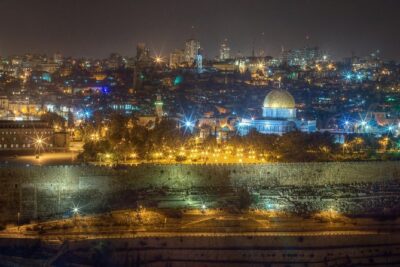
Browse the lists this tour appears in