Reviewed · GUIDED
Jerusalem: Tour with Private Guide
Jerusalem rewards slow footsteps. This private walking tour makes the Old City easier to understand, especially with guides such as Moshe, Izzat, Alena, Hanna, and Izak bringing history, geography, and local life into the narrow streets. I like the custom route and the chance to ask as many questions as you wish. I also like the personal touch, from finding lesser-known churches to helping with pastries at the market.
The main drawback is the $199 per-person price, which can feel steep for a walking tour, particularly when every added person pays the same rate. Entrance fees, food, drinks, and the walk back to your hotel are also on you. Still, the strong guiding and private format can make the cost worthwhile if Jerusalem is a major part of your trip.
In This Review
- Key points to know before you book
- Why a private guide helps in Jerusalem
- Starting near your hotel and entering through Zion Gate
- The Armenian and Jewish Quarters, with the Byzantine Cardo
- The Western Wall and the Temple Mount story
- Following the Via Dolorosa
- The Church of the Holy Sepulcher
- Finishing at Jaffa Gate and continuing on your own
- The guides are the real value
- Is $199 per person a fair price?
- Dress, shoes, languages, and planning tips
- Who should book this Jerusalem walk?
- Should you book it?
- FAQ
- Where does the tour begin?
- Where does the tour finish?
- Which Jerusalem sites are included?
- Is the Western Wall part of the tour?
- Does the tour include the Church of the Holy Sepulcher?
- Are entrance fees included?
- Are food and drinks included?
- What should I wear?
- Which languages are available?
- Can I cancel the booking?
Key points to know before you book
- Private Old City route: Enter through Zion Gate and pass through the Armenian and Jewish Quarters with a guide focused on your interests.
- Three major faith sites: Visit the Western Wall, walk along the Via Dolorosa, and enter the Church of the Holy Sepulcher.
- Guides earn the praise: Moshe, Izzat, Alena, Hanna, and Izak are repeatedly described as flexible, warm, and exceptionally well informed.
- A walking tour with real flexibility: Guides have adjusted routes for holidays, road closures, tired groups, and requests for places outside the usual plan.
- Modest clothing is essential: Women need covered ankles, arms past the elbows, and a covered neckline at holy sites. Men need covered knees and sleeved shirts.
- Good cancellation terms: You can reserve now, pay later, and cancel up to 24 hours ahead for a full refund.
Why a private guide helps in Jerusalem
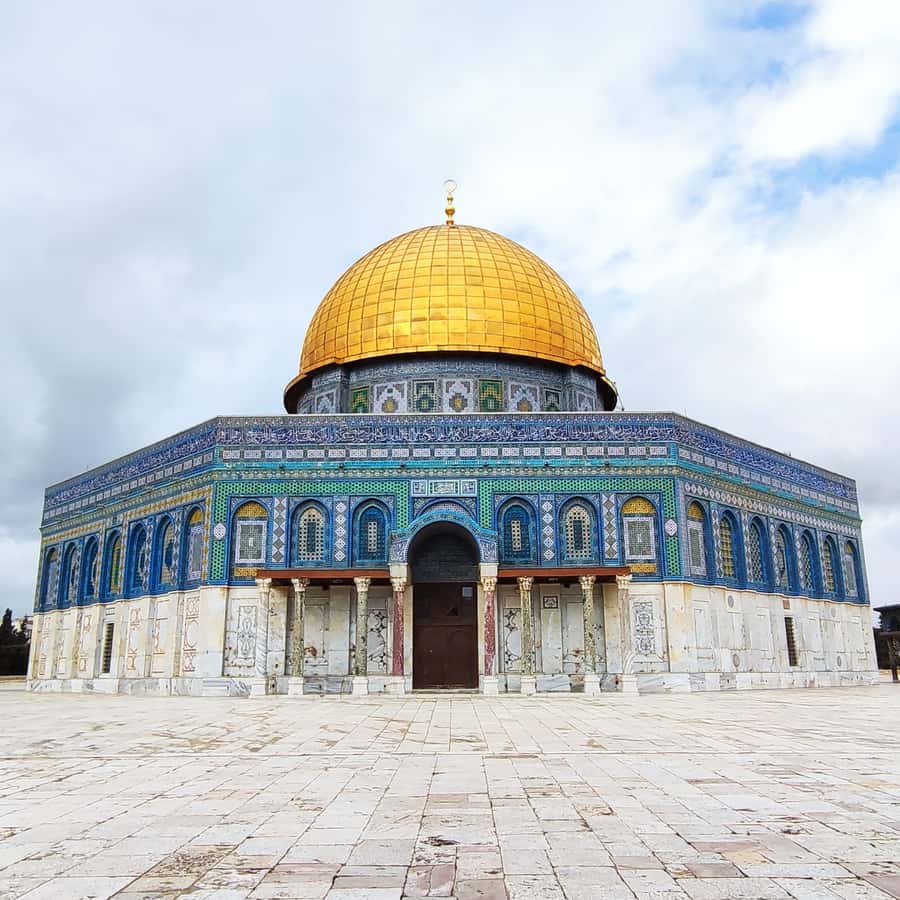
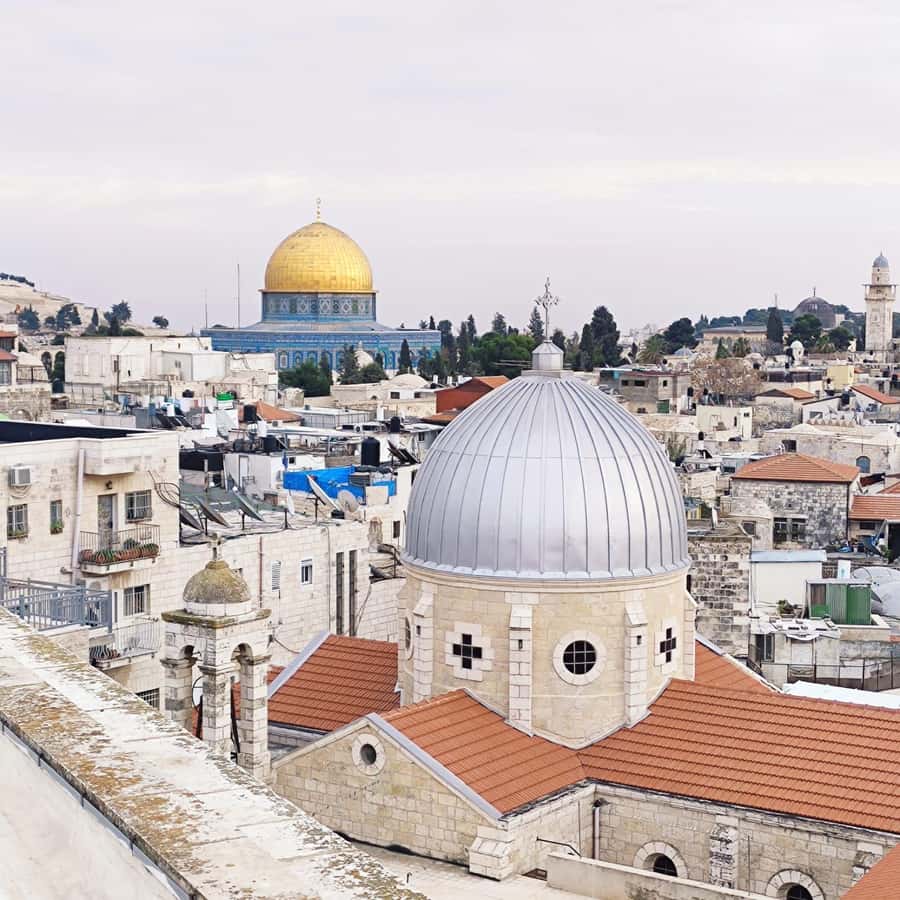
Jerusalem is not difficult because it lacks sights. It is difficult because the sights overlap in ways that can confuse even a well-prepared visitor. A stone wall may matter to Judaism, Christianity, and Islam for entirely different reasons. A street may be a place of prayer, a market, and a working neighborhood all at once.
A private guide gives you someone to connect those pieces. You can stop for a question, linger at a religious site, or ask for more attention to archaeology, faith, architecture, or local life. A fixed group tour usually has to keep moving. Here, the day can respond to you.
The best guides also add details that do not fit neatly into a standard route. Moshe has taken people to St. Peter in Gallicantu, the cistern of St. Helena, and the original street level beneath the Convent of the Sisters of Zion. Izzat has helped guests navigate holiday crowds and offered practical advice about life in Israel. Alena has adjusted the route around the interests of the people she was guiding.
That flexibility is the main reason to consider this experience. You are not simply being led from one famous place to another. You have a local interpreter beside you, ready to explain why a location matters and how it fits into the larger city.
More things to do in Jerusalem:
- From Tel Aviv: Jerusalem and Bethlehem Guided Day Trip
★ 4.3 · 1,316 reviews - Tel Aviv: Jerusalem, Bethlehem & Dead Sea
★ 4.0 · 881 reviews - From Tel Aviv: Jerusalem Old & New City Bus Tour
★ 4.2 · 824 reviews
Starting near your hotel and entering through Zion Gate
The tour begins with a walking pickup from a centrally located hotel or another central point in Jerusalem. There is no vehicle transfer included, so you should be ready to meet your guide on foot and begin promptly.
Entering through Zion Gate gives the route a fitting introduction. The gate leads you into the Old City from Mount Zion, and its position helps you understand the compact relationship between Jerusalem’s quarters. Your guide can point out how the modern city, the ancient walls, and the religious center all press close together.
From here, the route passes through the Armenian Quarter. This is one of the Old City’s four traditional quarters, and it usually feels quieter than the main commercial lanes. The tour description does not promise entry into specific Armenian buildings, so treat this part as a guided walk through the quarter rather than a guaranteed interior visit.
That distinction matters. Jerusalem tours often describe an area broadly, while the actual time spent inside a church, chapel, museum, or courtyard depends on opening hours, religious services, and the interests of your group. A private guide gives you a better chance to ask for a pause, but it cannot remove every site restriction.
The Armenian and Jewish Quarters, with the Byzantine Cardo
The Jewish Quarter brings the tour closer to the Western Wall and the old Temple Mount area. Your guide will likely place the current streets in the setting of earlier Jerusalem, helping you picture how the city changed under different rulers and religious communities.
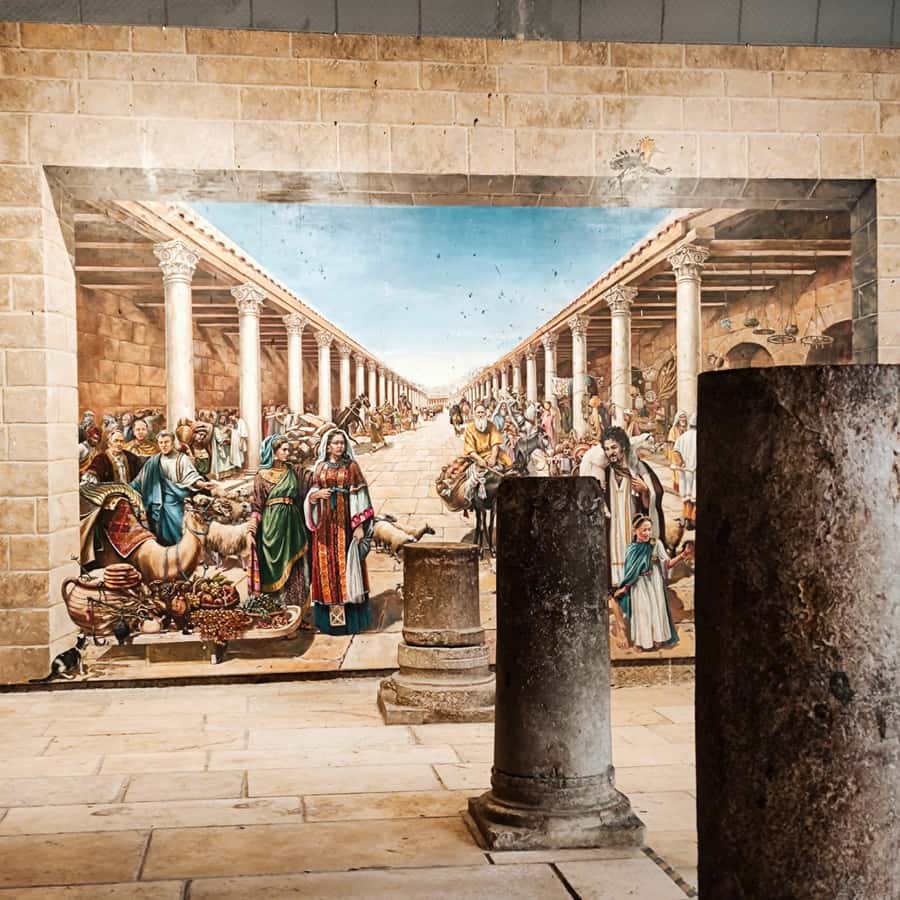
One especially useful stop is the Byzantine Cardo, an ancient street that once formed part of the city’s main north-south route. The name comes from Roman city planning, and the remains help turn abstract history into something you can see under your feet. Columns, paving, and the street plan show that Jerusalem was not only a sacred center. It was also a functioning urban settlement shaped by Roman and Byzantine rule.
The Cardo is a good place to ask questions about layers. Jerusalem is not a city where one era simply replaced another. Older streets, walls, cisterns, and foundations often survive beneath later buildings. A guide who can explain those layers adds real value to the walk.
If you have already taken a standard Old City tour, tell your guide at the start. Moshe has shown repeat visitors places beyond the regular route, including small religious sites and underground remains. The private format is most useful when you make your interests clear instead of waiting for the guide to guess.
The Western Wall and the Temple Mount story
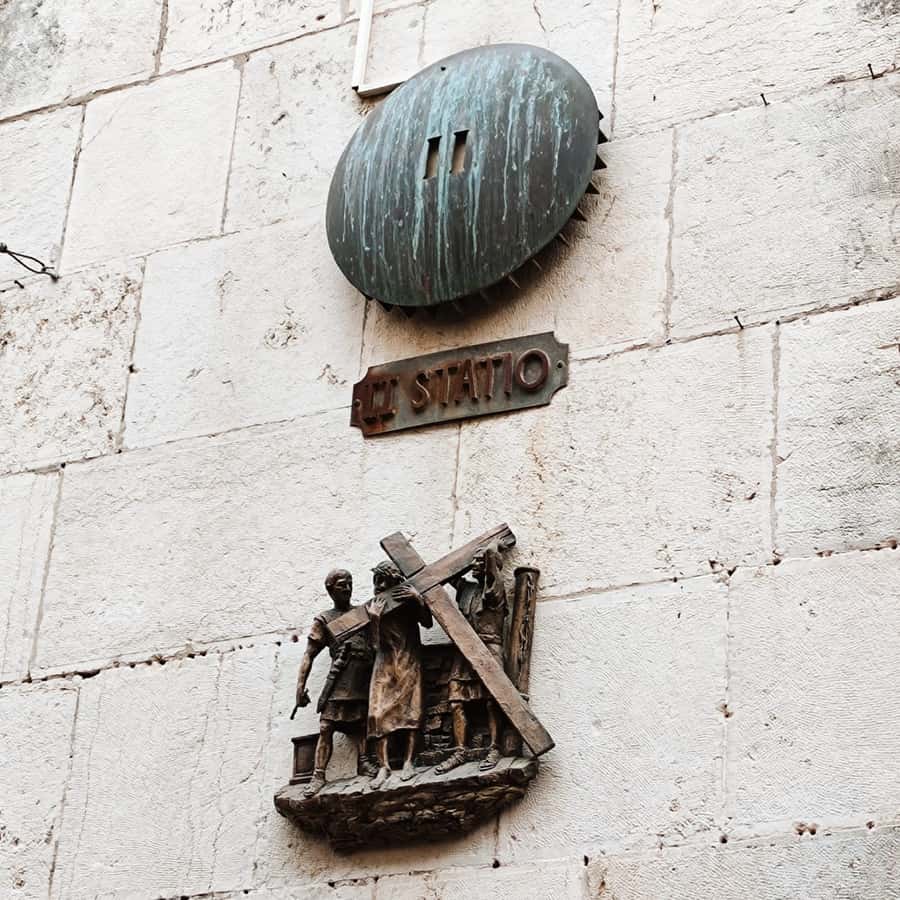
The Western Wall is the emotional center of the route for many people. It is part of the retaining wall built during Herod the Great’s expansion of the Temple Mount, begun around 20 BCE. The visible stones are not the whole wall, but the exposed section gives you a powerful sense of scale and age.
The site is an open-air place of prayer. You may see people praying quietly, touching the stones, or placing written notes into the cracks. The tour specifically allows you to insert a written prayer into the wall, which can be a meaningful moment even if you are not Jewish. Approach the space respectfully and follow the local separation and dress arrangements in effect on the day.
Your guide can explain the difference between the wall itself, the ancient Temple platform, and the wider religious importance of the area. This is where good context prevents a common mistake: the Western Wall is not the surviving outer wall of the ancient Temple building itself. It is a retaining wall connected with the enlarged Temple Mount complex.
Expect a security check or changes in access procedures, though exact arrangements can vary. The experience does not include entrance fees, so ask your guide what, if anything, requires payment on your chosen date. The stated route includes the wall area, but the wider Temple Mount is not promised as part of the tour.
A few more options to weigh up in Jerusalem
- From Tel Aviv: Jerusalem Old City & Dead Sea Guided Day Tour
★ 4.4 · 389 reviews - Jerusalem: Guided Walking Tour of the Old City
★ 4.7 · 386 reviews - Travel to Bethlehem Half Day Guided Tour from Jerusalem & TelAviv
★ 5.0 · 239 reviews - Travel To Bethlehem, Jericho & Jordan River – Group Guided Tour from Jerusalem
★ 4.5 · 128 reviews
Following the Via Dolorosa
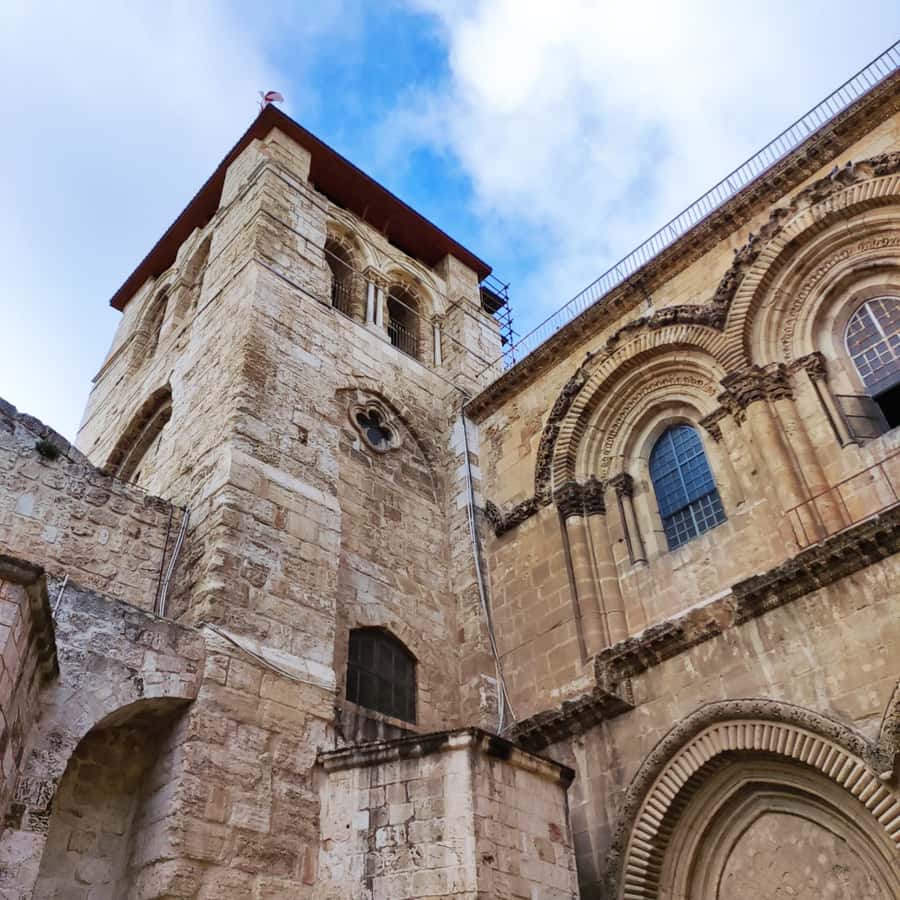
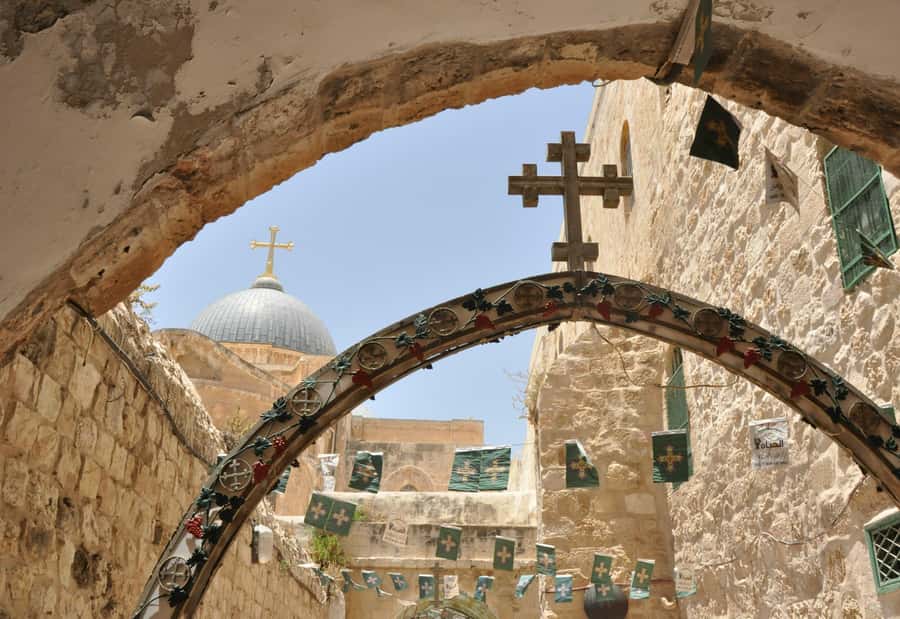
From the Jewish Quarter, the tour turns toward the Christian Quarter and the Via Dolorosa, also called the Way of the Cross. This route follows the traditional path associated with Jesus from his condemnation toward crucifixion.
The Via Dolorosa is not a quiet museum corridor. It is a working Old City street with shops, homes, worshippers, and other groups moving through the same narrow passage. That mix is part of the experience, though it can make it hard to pause or hear every word. Stay close to your guide and keep comfortable shoes on your feet.
The route includes stations connected with events in the Passion story. The exact amount of time at each stop will depend on crowds, services, and your questions. If this part matters deeply to you, say so before the tour begins. A private guide can spend more time explaining the religious traditions and the physical route than a large group usually can.
The walking itself is not extreme, but the streets are uneven in places, and the day may feel longer than the distance suggests. Jerusalem asks you to look up at walls, down at paving, and sideways through crowded lanes. Water and sensible shoes are not optional extras here.
The Church of the Holy Sepulcher
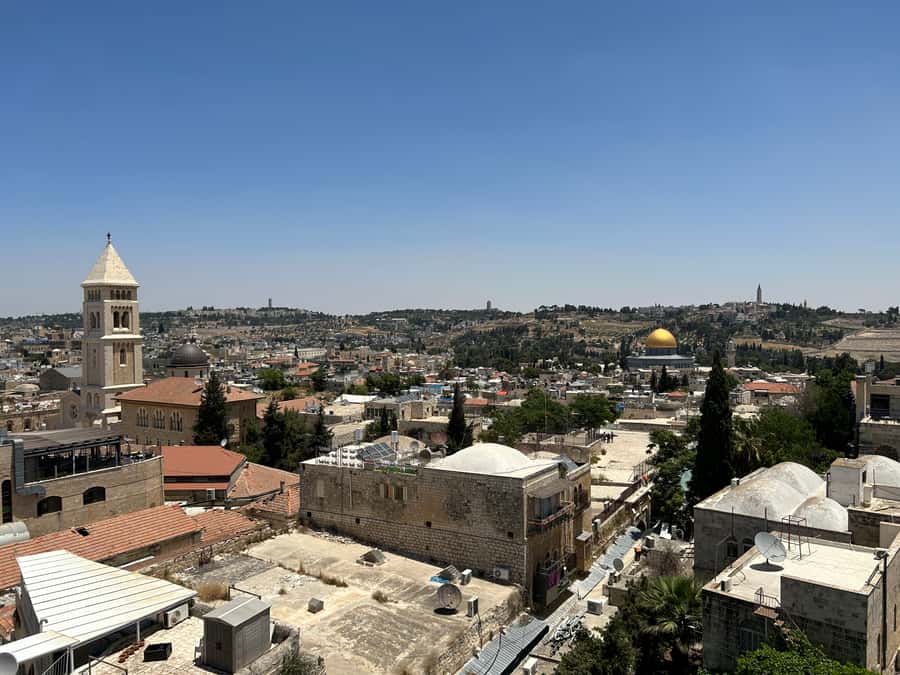
The Church of the Holy Sepulcher is the major Christian stop and the planned end point of the religious route. It stands on the traditional site of Jesus’s crucifixion, burial, and resurrection.
For Christians, this is the most important church in Jerusalem. For anyone interested in the city’s history, it is also a remarkable example of overlapping traditions and shared religious control. Several Christian communities maintain chapels and spaces within the building, and the interior can feel crowded, dark, ceremonial, and full of movement.
The tour includes a private tour of the church, but you should not assume every chapel or area will be open. Religious services and site rules can affect access. Your guide can help you understand what you are seeing, explain why different spaces matter, and keep the visit from becoming a confusing walk through a large old building.
Give yourself time to absorb the setting. The church is not polished in the modern sense, and that is part of its force. Stone, candles, worn surfaces, and active worship make it feel like a living place of faith rather than a display behind glass.
Finishing at Jaffa Gate and continuing on your own
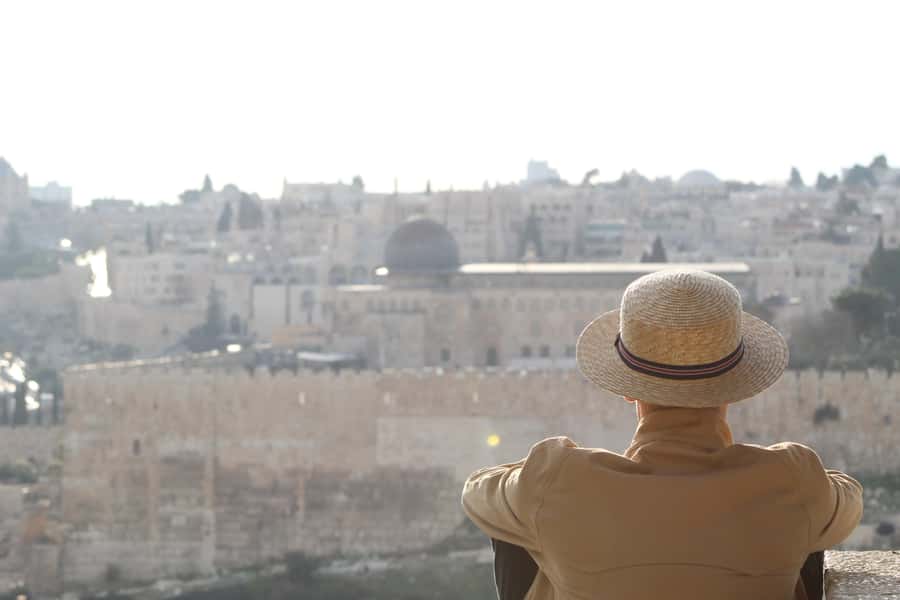
The tour ends near Jaffa Gate, one of the Old City’s best-known entrances. This is a practical finish because you can continue walking, find food, or return toward the newer parts of Jerusalem from there.
The guide does not provide drop-off service. That is a minor inconvenience if your hotel is elsewhere, but it also means you finish in a useful area rather than being hurried into a vehicle. Ask your guide for a nearby meal or market suggestion before parting. Moshe has directed people toward food in the Mahane Yehuda Market, and he has even helped guests choose unfamiliar pastries and local specialties.
One particularly nice personal touch described by a guest was bread with zaatar offered at the end of a long day. That is not a promised part of the tour, so do not book expecting food. It does show the kind of informal local connection that can make a private guide memorable.
If your route runs longer because you stop at extra places, agree on the plan as you go. A guide may be willing to stay beyond the planned time, but that should be treated as goodwill, not a guaranteed service.
The guides are the real value
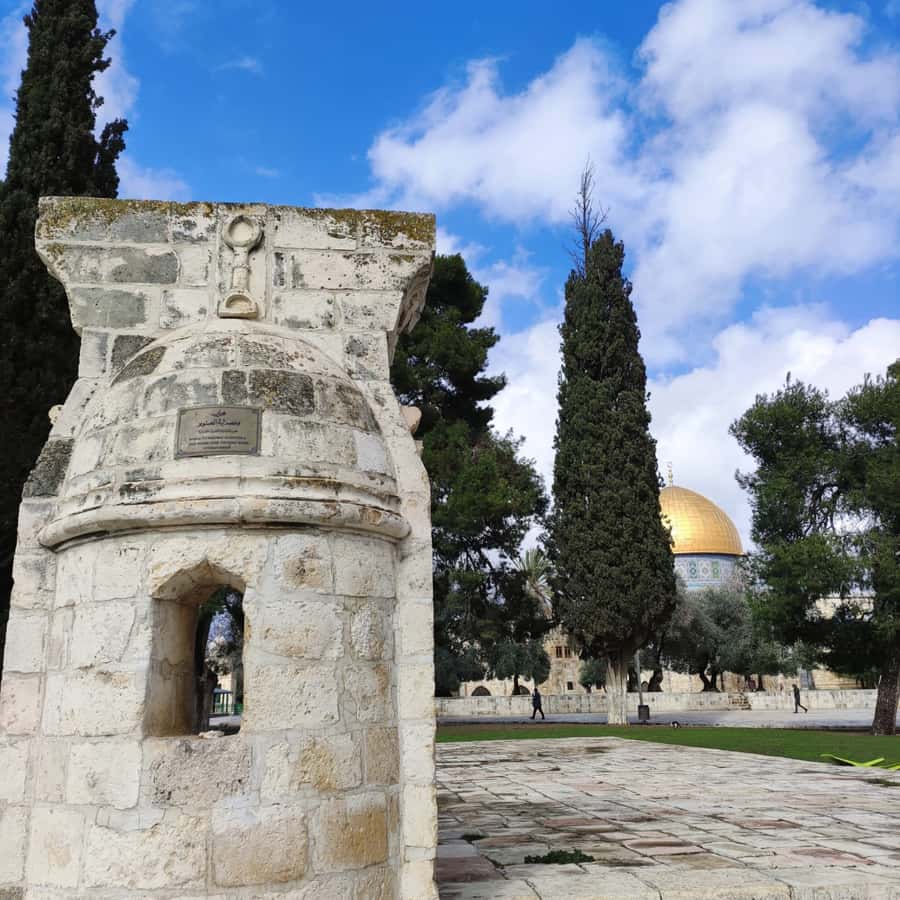
The named guides receive unusually strong praise for different reasons. Moshe is described as a friendly older guide with quick answers about history and geography. He has also adapted the route for people who had visited Jerusalem before and wanted something beyond the familiar stops.
Izzat has been especially praised for going beyond the basic brief. He brought his own car for convenience without asking for extra payment, helped with local orientation, and offered practical advice to someone preparing to live in Israel. The car is not included in the tour, so do not expect transportation as a standard feature.
Alena has been praised for kindness, safety, flexibility, and a route built around personal interests. Hanna has made a strong impression through clear explanations and an easy manner. Alena and Izak have also taken people slightly away from the usual Old City route while remaining attentive and friendly.
These personal accounts point to a consistent strength: the guide matters more than the script. Because the tour is private, the quality of the conversation can shape the whole day. You should contact the provider with your preferred language and make your priorities clear before setting out.
There is one useful caution. One group found that energy was fading late in the third hour, while the guide continued to add information. If you know your group tires easily, ask for a shorter route or a food break. A private tour should adapt to your pace, but you need to speak up.
Is $199 per person a fair price?
At $199 per person, this is not a bargain walking tour. The price covers a private professional guide, hotel pickup on foot from a central location, the private Old City route, and the Church of the Holy Sepulcher visit. Taxes and handling charges are included.
Food, drinks, entrance fees, and drop-off are not included. That makes the final cost higher than the headline price if your route involves paid access or you stop for a meal.
The value depends heavily on your group. For one person who wants a focused guide and the freedom to ask constant questions, the price can make sense. For a larger family or group, the per-person pricing feels less generous because the guide’s workload does not triple when three people attend. One guest made exactly this criticism.
I would book it when Jerusalem is a central purpose of your trip, you want a private conversation rather than a standard group script, or you have particular religious and historical interests. I would skip it if you mainly want a quick introduction and are happy to follow a fixed route with other people.
Dress, shoes, languages, and planning tips
Wear comfortable shoes, comfortable clothes, and bring water. The Old City has uneven paving, stairs, narrow passages, and long periods on your feet.
Holy sites require modest clothing. Women should have ankles covered, arms covered past the elbows, and the front covered to the neckline. Men need covered knees and a shirt with sleeves. You can dress more casually for walking through streets and markets, then add suitable layers before entering religious buildings.
Guiding is available in Arabic, English, French, German, Hebrew, Italian, Russian, Spanish, Chinese, Dutch, Greek, Indonesian, Portuguese, Romanian, and Swedish. Select your preferred language when booking.
You can reserve and pay later, which helps if your Jerusalem plans are still shifting. Cancellation is allowed up to 24 hours in advance for a full refund. Those terms are useful, but the more important planning step is to confirm your meeting point and tell the guide what you most want to see.
Who should book this Jerusalem walk?
This tour suits first-time visitors who want the Old City explained without having to manage the route themselves. It also suits repeat visitors who want unusual stops, extra time at a church, or a stronger focus on archaeology and local life.
Families and mixed-interest groups may benefit from the private setup because the guide can adjust the pace. People with a strong Christian, Jewish, or historical interest will also get more from the experience if they ask for detail at the relevant sites.
I would be more cautious if you dislike walking, need a guaranteed vehicle, or want a low-cost overview. The route is active, the final return is not included, and the per-person price rises quickly.
Should you book it?
Book this tour if you want a personal guide through Jerusalem’s most important sacred sites, with room for questions and route changes. The Western Wall, Via Dolorosa, and Church of the Holy Sepulcher give you the essential religious landmarks, while the Cardo and optional lesser-known sites add useful depth.
The $199 price is easiest to justify for a solo visitor or a small group that values expert attention. Before booking, check the group price, ask about expected timing, and arrive dressed for holy sites. If Moshe, Izzat, Alena, Hanna, or Izak is available in your language, you may be getting the strongest part of the experience: a guide who treats Jerusalem as a place to understand, not simply a list of stops to tick off.
FAQ
Where does the tour begin?
Pickup is available on foot from a centrally located hotel or another central point in Jerusalem.
Where does the tour finish?
The tour ends near Jaffa Gate. Drop-off service is not included.
Which Jerusalem sites are included?
The route includes the Old City, Zion Gate, the Armenian Quarter, the Jewish Quarter, the Byzantine Cardo, the Western Wall, the Via Dolorosa, and the Church of the Holy Sepulcher.
Is the Western Wall part of the tour?
Yes. You can visit the Western Wall and place a written prayer into the spaces between its stones.
Does the tour include the Church of the Holy Sepulcher?
Yes. A private tour of the Church of the Holy Sepulcher is included.
Are entrance fees included?
No. Entrance fees are not included in the tour price.
Are food and drinks included?
No. Food and beverages are not included.
What should I wear?
Wear comfortable clothing and shoes. At holy sites, women must cover their legs to the ankles, arms past the elbows, and the front to the neckline. Men must cover their knees and wear shirts with sleeves.
Which languages are available?
Guides are available in Arabic, English, French, German, Hebrew, Italian, Russian, Spanish, Chinese, Dutch, Greek, Indonesian, Portuguese, Romanian, and Swedish.
Can I cancel the booking?
Yes. You can cancel up to 24 hours in advance for a full refund. You can also reserve and pay later.
Just added in Jerusalem
- Walking Jerusalem in Russian★ 5.0 · 1 review
- private Full-Day Tour to Bethlehem and Jerusalem★ 5.0 · 2 reviews
- Jerusalem and Dead Sea Trip from Tel Aviv★ 4.0 · 6 reviews
- Tel Aviv & Old City of Jaffa – Tiny group from Tel Aviv★ 4.5 · 9 reviews
- Tel Aviv; Jaffa Old City, Port & Shuk Hapishpishim Walking Tour★ 4.5 · 11 reviews
- Tel Aviv: Food & History Tour of Jaffa Old City & Flea Market★ 5.0 · 1 review
- Discover the Secrets of the Underground Jerusalem with a private tour★ 5.0 · 4 reviews
- Private Tour from Tel Aviv to Jerusalem★ 5.0 · 3 reviews
Guided, compared.


Travel to Bethlehem Half Day Guided Tour from Jerusalem & TelAviv
Read our review →
Travel To Bethlehem, Jericho & Jordan River – Group Guided Tour from Jerusalem
Read our review →