Reviewed · FULL-DAY
Old Jerusalem Full-Day Tour
Jerusalem rewards a guide. This eight-hour tour gives you a useful first look at the city’s sacred core, from the Mount of Olives viewpoint to the Western Wall, Via Dolorosa, and Church of the Holy Sepulchre. I like the way it combines coach transport with long walks through the Old City, and I especially like the historical framing provided by guides such as Yoav, Tomer, Ron, and Lev.
The tour also visits Mount Zion, the Jewish Quarter, Armenian Quarter, Christian Quarter, and Muslim Quarter, giving you more than a single-faith view of Jerusalem. The main drawback is the pace: you cover a great deal in one day, and access to some religious sites can be rushed or affected by crowds. Also, Temple Mount is mentioned in the tour description but is not listed as a walking stop, so you should not book this tour expecting a visit inside the compound.
In This Review
- Key points to know before booking
- Why this tour works as a first day in Jerusalem
- Mount of Olives: the view that sets the scene
- Mount Zion: the Last Supper Room and King David’s Tomb
- Entering the Old City through the Armenian Quarter
- The Jewish Quarter and Byzantine Cardo
- The Western Wall: a short but meaningful stop
- The Christian Quarter and the Via Dolorosa
- Church of the Holy Sepulchre
- The Muslim Quarter and the Old City bazaar
- Guides make the biggest difference
- Walking, clothing, food, and group size
- Is $73 a fair price?
- Who should book this Old Jerusalem tour?
- FAQ
- How long does the Old Jerusalem tour last?
- What time does the tour start?
- Does the tour include hotel pickup and drop-off?
- Is Temple Mount included in the tour?
- What should I wear?
- Can I cancel for a full refund?
Key points to know before booking

- Mount of Olives first: Begin with a broad view of Jerusalem before entering the tight lanes of the Old City.
- A full day of walking: The Old City portion lasts several hours, with uneven streets, stairs, crowds, and frequent stops.
- Strong guide-dependent experience: Past guests especially praised guides including Yoav, Tomer, Norbert, Ari, Alona, Yoel, and Ron, also known as Lev.
- Major Christian and Jewish sites included: Expect the Western Wall, Via Dolorosa, Church of the Holy Sepulchre, Last Supper Room, and King David’s Tomb.
- All three quarters are on the route: The tour passes through Armenian, Jewish, Christian, and Muslim areas, though the depth of explanation may vary by guide.
- Dress carefully: Knees and shoulders must be covered for places of worship and selected museums, and shorts may lead to refused entry.
Why this tour works as a first day in Jerusalem
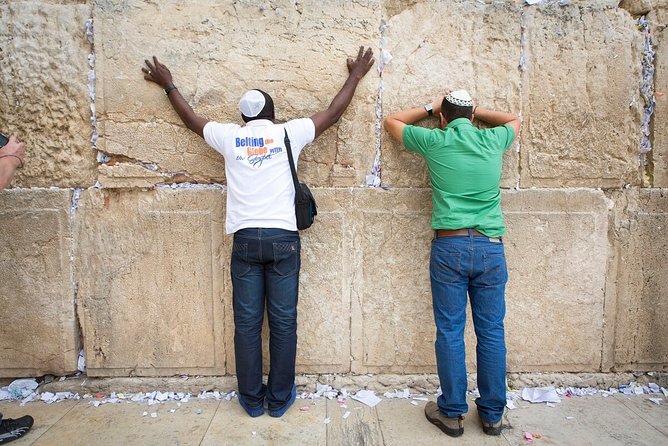
Jerusalem can feel confusing at first. The Old City is compact, but its lanes twist through different religious and historic districts, and important sites often sit behind plain-looking doors. A guide helps connect the buildings, traditions, and stories instead of leaving you to guess what you are seeing.
At $73 per person, the tour offers fair value if you want transportation, a professional guide, hotel pickup and drop-off, and a concentrated introduction to the city. You are not paying only for admission. Much of the value comes from having someone explain why the Western Wall matters, how the Via Dolorosa is understood, and where the Jewish, Christian, Muslim, and Armenian communities fit within the Old City.
I would treat this as an orientation tour, not a slow pilgrimage or a detailed archaeological visit. You see many important places, but you do not get long, quiet periods at each one. If you have only one day for Jerusalem, that trade-off makes sense. If you have several days, use this tour to learn the layout, then return independently to the sites that matter most to you.
The group can reach up to 40 people. That size keeps the cost down, but it also means the guide must keep everyone moving. In crowded lanes, you need to stay alert and keep the group in sight.
More things to do in Jerusalem:
- From Tel Aviv: Jerusalem and Bethlehem Guided Day Trip
★ 4.3 · 1,316 reviews - Tel Aviv: Jerusalem, Bethlehem & Dead Sea
★ 4.0 · 881 reviews - From Tel Aviv: Jerusalem Old & New City Bus Tour
★ 4.2 · 824 reviews
Mount of Olives: the view that sets the scene
The morning begins with pickup from a Jerusalem hotel in an air-conditioned coach. The first major stop is the Mount of Olives, where you spend about 30 minutes looking across the Old City.
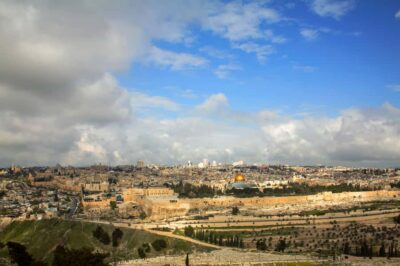
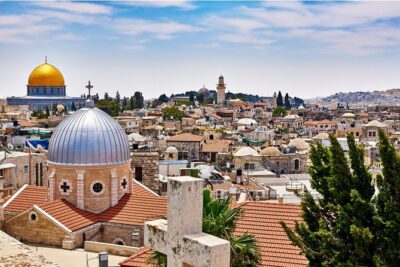
This is a smart opening stop. From the ridge, you can see the Old City walls, Mount Zion, the Kidron Valley, and the dense cluster of religious landmarks below. The view gives you a mental map before you begin walking through the lanes. Without it, Jerusalem’s geography can be hard to grasp.
The Mount of Olives also carries major importance in Christian tradition. The tour connects the site with events in the life of Jesus, including the belief that he ascended into heaven. The slopes were once covered with olive trees, and the area has long been a place of Christian pilgrimage.
The stop is mainly for viewing rather than a long visit inside a particular building. The listed details say admission is not included at this point, so if you are hoping to enter a site on the Mount of Olives, check exactly what your booking covers. The main value here is the panorama and the guide’s explanation.
The coach then passes the Garden of Gethsemane, the Church of All Nations, and the Kidron Valley. These are brief viewing stops rather than extended visits. The Garden of Gethsemane is linked with the final hours of Jesus, while the Church of All Nations is known for its connection to that account. The Kidron Valley forms a natural boundary beside the Old City and adds useful geographic context.
Mount Zion: the Last Supper Room and King David’s Tomb
The next section moves to Mount Zion. At the Cenacle, also called the Room of the Last Supper, you have about 15 minutes. The room is associated with Jesus and his disciples, though the visit is short and the space itself is not large.
The tour also visits King David’s Tomb, with another 15 minutes scheduled. This stop introduces the Jewish importance of Mount Zion and broadens the day beyond Christian sites. The traditional identification of the tomb connects the place with David, the King of Israel.
These two stops are close enough to fit neatly into the morning, but do not expect a long, private reflection period. The schedule is designed to give you the essential setting and explanation before the group enters the Old City.
You then pass through Zion Gate. The gate is one of the historic entrances in the Old City walls, and it marks the shift from coach-based sightseeing to the main walking portion of the tour.
Entering the Old City through the Armenian Quarter
Once inside the Old City, the pace changes. You spend about two and a half hours exploring its streets, with a 20-minute walk through the Armenian Quarter included.
The Armenian Quarter is quieter in character than some other parts of the Old City, though conditions vary with the time of day. It gives you a glimpse of one of Jerusalem’s long-established Christian communities. The value of this section is not a single blockbuster sight. It is the sense that the Old City is divided into living neighborhoods, each with its own religious and cultural identity.
Keep your expectations practical. This is a guided walk through streets and lanes, not a museum visit with extended indoor stops. You may need to follow closely while the guide points out details along the route.
The Old City streets can be crowded, and the paving is not always easy underfoot. Wear shoes with a firm sole and avoid carrying a large bag. A small bag is easier when you are moving through narrow lanes and gathering around the guide.
A completely different kind of day:
- From Jerusalem: Masada & Dead Sea Full Day Tour with Pick Up
★ 4.5 · 815 reviews - Masada and the Dead Sea Day Trip from Jerusalem
★ 4.5 · 757 reviews - Day Tour to Jerusalem and Bethlehem from Tel Aviv
★ 4.5 · 720 reviews - From Jerusalem: Nazareth and Sea of Galilee Tour
★ 4.5 · 588 reviews
The Jewish Quarter and Byzantine Cardo
The tour then spends about 40 minutes in the Jewish Quarter, including the Byzantine Cardo. The Cardo was a major ancient street, and its remains help show how Jerusalem was organized in earlier periods.
This is one of the places where a guide adds real value. Ruins can look like scattered stone until someone explains their former use and place in the city. A good guide can turn the Cardo into a clear picture of daily movement, commerce, and urban planning.
The Jewish Quarter also prepares you for the Western Wall. The route is not just a march between famous stops. It gives you context for the Jewish community and the religious importance of the Old City.
The Western Wall: a short but meaningful stop
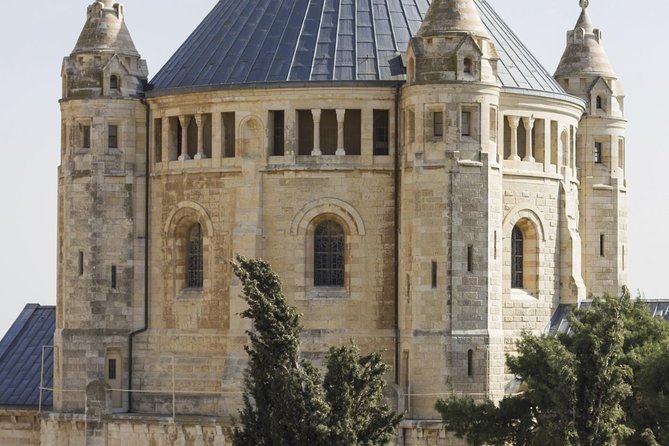
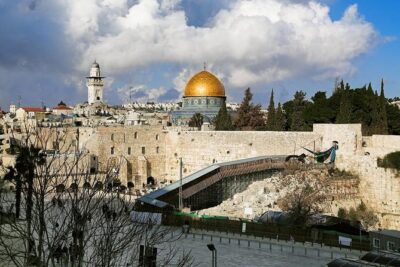
The group spends about 20 minutes at the Western Wall, also called the Wailing Wall. It is the holiest Jewish site, and the stop can be deeply moving even if you are visiting as an observer.
The wall is part of the retaining structure associated with the ancient Temple complex. People pray, place notes in the stones, and approach the area according to religious customs. Your guide should explain the setting and help you understand what you are seeing without treating it as just another photo stop.
Twenty minutes is enough for an introduction, but not for a long visit. The area can be crowded, and the atmosphere may change quickly depending on the day and religious calendar. Follow the guide’s directions and be respectful with photography and dress.
One important limitation needs to be clear here. The tour description refers to Temple Mount, but the detailed route does not list a visit there. The Western Wall is viewed from its own area, and that does not mean you enter the Temple Mount compound. If Temple Mount is essential to your plans, confirm access separately before booking.
The Christian Quarter and the Via Dolorosa
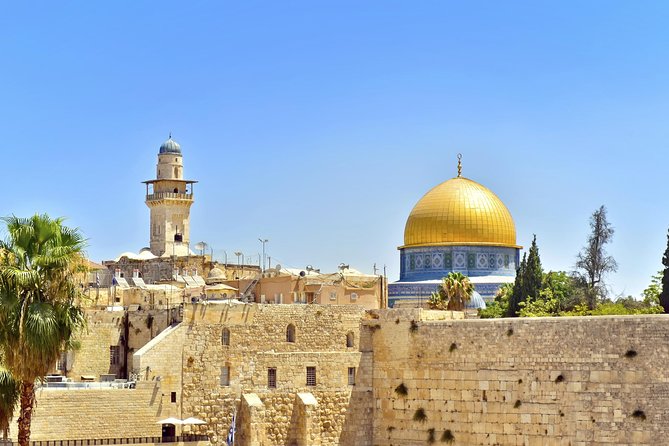
The Christian Quarter receives about an hour, including a walk along sections of the Via Dolorosa. This is the route traditionally associated with Jesus carrying the cross toward crucifixion.
The tour follows some of the 14 Stations of the Cross. You walk through narrow lanes and learn how the traditional route is marked. The experience is strongest when you pay attention to the contrast between the solemn religious meaning of the path and the ordinary activity of the Old City around it.
A useful point raised by the tour experience is that the exact route is not accepted in precisely the same way by every historical source. The guide may explain how the current path was established and why other accounts identify a different route or crucifixion location. I would welcome that explanation, because it helps separate faith tradition, archaeology, and later practice.
The scheduled 30 minutes for the Via Dolorosa is enough to cover selected stations, not every detail. You will be walking backward through the traditional sequence, beginning near the crucifixion site and tracing the path toward earlier stations. That can feel slightly confusing, but it allows the group to end at the Church of the Holy Sepulchre.
Church of the Holy Sepulchre
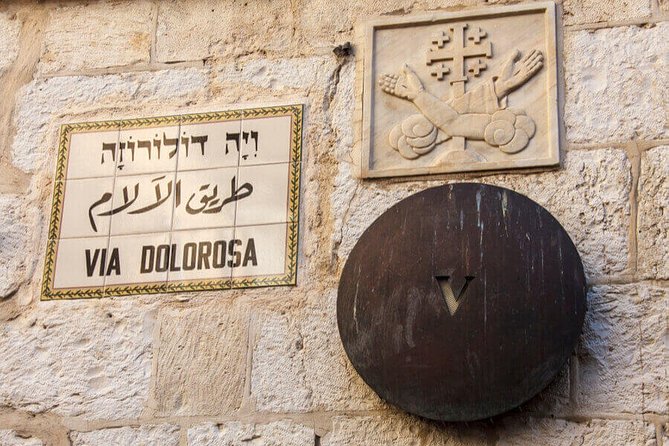
The Church of the Holy Sepulchre is the emotional center of the Christian portion of the day. It is traditionally located at the site of Jesus’ crucifixion and burial, and the tour takes you inside for about 30 minutes.
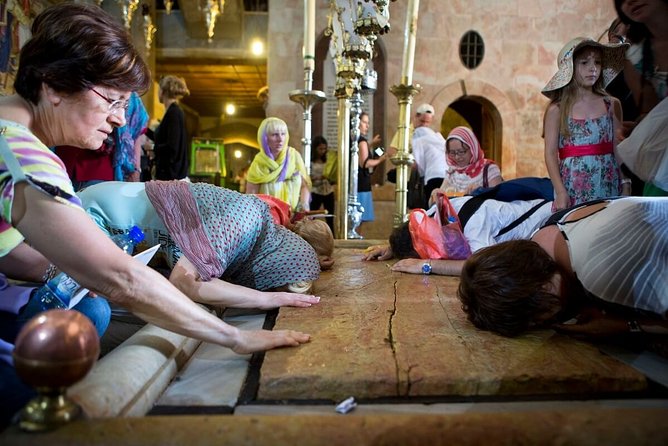
Inside, you may see the Stone of the Anointing, associated with the preparation of Jesus’ body before burial. The church contains several chapels and sacred areas shared by different Christian communities. Its interior can feel crowded, busy, and visually complex, so your guide’s explanation matters.
This is also where the schedule can become tight. One low-rated experience described being rushed inside the church after being separated from the group. That is not a reason to dismiss the tour, but it is a reason to stay near your guide, listen carefully for meeting times, and ask where the group will regroup before you enter.
The church is not a quiet, empty monument. Lines and crowds can affect what you see. If you want a long period for prayer or personal reflection, you may need to return on your own at another time.
The Muslim Quarter and the Old City bazaar
The final walking section visits the Muslim Quarter and its bazaar for about 30 minutes. This is an important part of the route because the Old City is not only a Christian and Jewish pilgrimage center. The Muslim Quarter is a living neighborhood with shops, homes, and daily commerce.
The time here is brief, and the depth of the explanation may depend heavily on the guide. One negative account felt that the Muslim side received too little attention, so I would keep that limitation in mind if balanced coverage of all three faiths is your main reason for booking.
The bazaar is the place to look for souvenirs, gifts, and small mementos. Shopping is optional, and food and drinks are not included in the tour price. You may prefer to browse without buying, especially since the day is already full and the coach departure time will matter.
After the market visit, you return to the coach for drop-off at Jerusalem hotels. The exact finish time can vary because of traffic, group movement, and crowd levels.
Guides make the biggest difference
The strongest praise is directed at the guides. Yoav was described as attentive and highly informed, while Tomer was valued for clear, even-handed explanations and comparative religious context. Ron, also called Lev, was praised for humor, engaging stories, and keeping a large group together in crowded places.
Other guide names connected with positive experiences include Ari, Norbert, Alona, and Yoel. The guide assigned to you will vary, so you cannot book a particular person based on these accounts. Still, the pattern is useful: this tour works best when the guide adds interpretation rather than reciting dates and labels.
The weaker experiences point to the risk of inconsistency. Some people received shallow explanations or found a guide unfriendly. One account also raised concern about inappropriate comments. A group tour cannot guarantee the same style every day, so your expectations should be realistic.
Ask questions when you have the chance, especially about the Via Dolorosa, the different religious traditions connected with each site, and what is historically documented versus traditionally believed.
Walking, clothing, food, and group size
This is a moderate walking day with several hours in the Old City. Comfortable shoes are essential. The route includes narrow lanes and potentially crowded areas, and you should expect to stand for long periods at major sites.
Dress modestly from the start. Knees and shoulders must be covered for places of worship and selected museums, and shorts are specifically discouraged. This rule applies to both men and women. Dressing properly saves time and reduces the chance of being refused entry.
Hotel pickup and drop-off make the tour easier than arranging separate transport. The air-conditioned coach is useful before and after the walking section, especially on a long day. Food and drinks are not included, so plan for that gap. The supplied details do not specify a meal stop, and the schedule leaves limited room for an extended lunch.
Children under four cannot join. Most older participants can take part, but the length of the day and crowded streets may be tiring. The tour is also near public transportation, which gives you another option if your hotel is not directly served by pickup.
Confirmation arrives when you book, and cancellation is free up to 24 hours before the start time. Cancellations or changes made less than 24 hours before departure are not accepted for a refund.
Is $73 a fair price?
I consider $73 a reasonable price for a first visit, provided you want an overview rather than a private, slow-paced tour. Hotel transport, an air-conditioned vehicle, a professional guide, and entrance fees are included in the general tour information, though the Mount of Olives entry note says admission there is not included. Clarify that point if a specific Mount of Olives interior visit matters to you.
The price is strongest for solo visitors, first-time visitors, and anyone who wants the city explained without arranging several separate transfers. It is less attractive if you dislike group schedules or already know the Old City well.
The tour is commonly booked about three weeks ahead, which suggests you should not leave it until the last moment if your travel dates are fixed. Its overall rating is 4.5 from 57 ratings, with 91 percent recommending it, but the mixed experiences show why the guide and crowd conditions matter.
Who should book this Old Jerusalem tour?
I would book it if you want to see the main sacred sites in one organized day and need a clear introduction to Jerusalem’s layout. It suits first-time visitors, solo visitors who prefer a structured day, and people who want historical and religious context while moving between districts.
I would hesitate if you want extended time at the Holy Sepulchre, a thorough visit to Temple Mount, or a quiet experience at every site. I would also choose another format if you dislike walking in crowds or prefer to explore at your own speed.
Book this tour for breadth, transport, and a strong guide-led introduction. Do not book it on the assumption that Temple Mount is included, and do not expect every quarter or sacred site to receive equal time. With comfortable shoes, suitable clothing, and realistic expectations, this is a good-value way to get your bearings in one of the world’s most demanding and rewarding cities.
FAQ
How long does the Old Jerusalem tour last?
The tour lasts approximately eight hours, including coach travel and walking through Jerusalem’s historic districts.
What time does the tour start?
The stated start time is 8:30 am.
Does the tour include hotel pickup and drop-off?
Yes. Hotel pickup and drop-off in Jerusalem are included, with transport provided in an air-conditioned vehicle.
Is Temple Mount included in the tour?
Temple Mount is mentioned in the general description, but it is not listed as a specific stop in the detailed route. Confirm directly before booking if visiting Temple Mount is important to you.
What should I wear?
Knees and shoulders must be covered for places of worship and selected museums. Shorts should be avoided, and these dress requirements apply to both men and women.
Can I cancel for a full refund?
Yes, if you cancel at least 24 hours before the experience start time. Cancellations or changes made less than 24 hours before the start time are not accepted for a refund.
Just added in Jerusalem
- Walking Jerusalem in Russian★ 5.0 · 1 review
- private Full-Day Tour to Bethlehem and Jerusalem★ 5.0 · 2 reviews
- Jerusalem and Dead Sea Trip from Tel Aviv★ 4.0 · 6 reviews
- Tel Aviv & Old City of Jaffa – Tiny group from Tel Aviv★ 4.5 · 9 reviews
- Tel Aviv; Jaffa Old City, Port & Shuk Hapishpishim Walking Tour★ 4.5 · 11 reviews
- Tel Aviv: Food & History Tour of Jaffa Old City & Flea Market★ 5.0 · 1 review
- Discover the Secrets of the Underground Jerusalem with a private tour★ 5.0 · 4 reviews
- Private Tour from Tel Aviv to Jerusalem★ 5.0 · 3 reviews
Full-Day, compared.
Masada & Dead Sea Full Day Tour with Pick Up
Read our review →
Jerusalem Full-Day Tour from Tel Aviv INCLUDING ENTRANCE FEES
Read our review →