
Reviewed · DEAD SEA DAY TRIPS
2-Day Best of Israel Tour: Old Jerusalem, Bethlehem, Masada and the Dead Sea
Sacred sites meet desert scenery here. This two-day tour packs Jerusalem and Bethlehem into one full day, then follows the Dead Sea road to Masada, Qumran and the water’s famous salt-rich shore. I like the strong mix of religious landmarks and ancient desert sites, and I like that hotel pickup, transport, breakfast and an overnight stay are included.
The main trade-off is pace. You cover a great deal in roughly 48 hours, but large groups, hotel pickups and long lines can cut into your time at the sites. I would treat this as a well-organized first look, not a slow, detailed study of Jerusalem.
In This Review
- Key points to know before booking
- Day 1: Mount Scopus and the first view of Jerusalem
- Walking the Old City of Jerusalem
- The Christian Quarter, Via Dolorosa and Holy Sepulchre
- Bethlehem and the Church of the Nativity
- Overnight stay and the practical middle of the trip
- Day 2: The Good Samaritan road to Masada
- Herod’s palace, Qumran and the Dead Sea
- Floating at the Dead Sea
- Guides, group size and the pace of the day
- Is $360 a fair price?
- Who should book this two-day Israel tour?
- FAQ
- What is included in the $360 tour price?
- What time does the tour start?
- Do I need a passport for Bethlehem?
- What should I wear for the religious sites?
- How much walking is involved?
- What should I bring for the Dead Sea?
- Is there a group-size limit?
- Should you book it?
Key points to know before booking
- Masada and the Dead Sea are the tour’s strongest pair: You get an ancient hilltop fortress followed by time to float and use Dead Sea mud.
- Old Jerusalem gets the biggest block of Day 1: Expect about two and a half hours in the Old City, followed by focused stops at the Jewish and Christian quarters.
- Bethlehem requires your passport: Bring a current valid passport, and dress with knees and shoulders covered for religious sites.
- Guide quality can shape the day: Guides named in the feedback include Amir Call Or, Shmil and Osi, all praised for bringing the history to life, while some guests found the handling of groups less polished.
- The group may be large: The maximum is 40 people, and a group of around 28 was described as difficult to hear and keep together.
- The hotel is the uncertain piece: Overnight lodging is included, but the exact hotel and its quality may not meet every budget traveler’s expectations.
Day 1: Mount Scopus and the first view of Jerusalem
The day begins around 8:30 a.m. with hotel pickup. The exact pickup point and timing should be clear when you book, since collecting people from several parts of the city can add time before the sightseeing really starts.
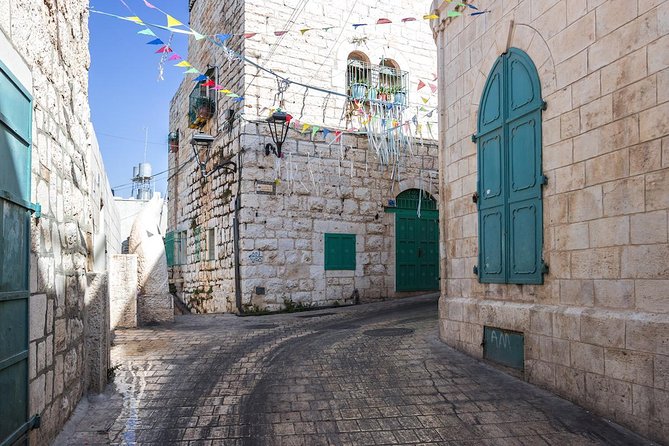
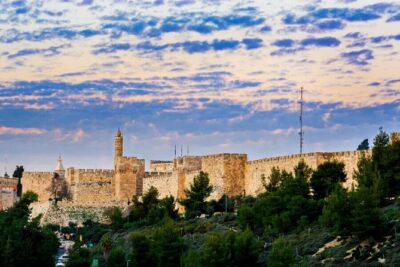
Your first viewpoint is Mount Scopus National Botanical Garden. From here, you look across toward the Old City of Jerusalem. It is a useful opening stop because Jerusalem can feel like a maze at street level. A high view gives you a quick sense of the walls, the hilltop setting and the compact center you are about to enter.
The stop lasts about 30 minutes, with no admission charge listed. Bring a hat and water, especially in hot weather. This is a photo and orientation stop, not a long garden visit.
The route then passes the Garden of Gethsemane, the Church of All Nations and the Kidron Valley. The Garden of Gethsemane is linked with the account of Jesus praying before his arrest, while the Church of All Nations is associated with that same Christian story. The Kidron Valley adds physical context, showing how Jerusalem’s old quarters sit among ridges and valleys rather than on a flat plain.
These early stops may be viewed from outside or handled as brief visits, depending on the group and timing. If you want quiet time for prayer or close examination of the church, you may find the schedule too tight.
More Dead Sea day trips:
- Tel Aviv: Jerusalem, Bethlehem & Dead Sea
★ 4.0 · 881 reviews - From Jerusalem: Masada & Dead Sea Full Day Tour with Pick Up
★ 4.5 · 815 reviews - Masada and the Dead Sea Day Trip from Jerusalem
★ 4.5 · 757 reviews
Walking the Old City of Jerusalem
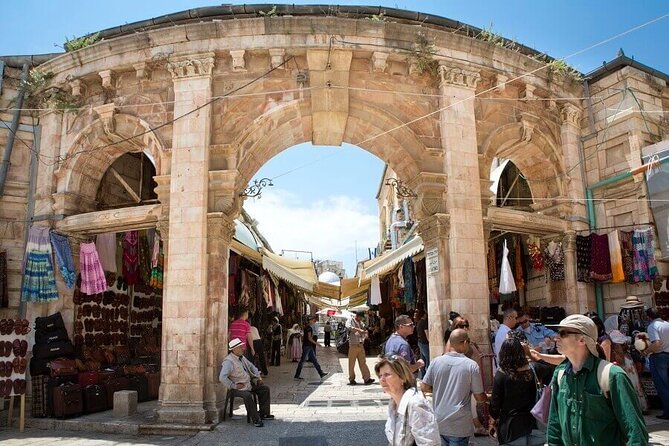
The main Jerusalem visit takes about two and a half hours. That sounds generous, but the Old City rewards far more time. Its lanes are narrow, uneven and easy to lose track of, so comfortable walking shoes are not optional decoration. You will be moving on foot, often through crowded passageways, with the guide trying to keep a group together.
The tour enters the Jewish Quarter and the Byzantine Cardo for about 30 minutes. The Cardo was the main north-south street in Roman and Byzantine Jerusalem, and its surviving sections help you picture the city as a major crossroads long before modern streets surrounded it.
The Jewish Quarter also provides a quieter contrast to some of the busier lanes. You get a short look at the quarter’s layout and its religious importance, but do not expect a detailed archaeological tour in half an hour.
The Western Wall follows, with about 20 minutes set aside. This is the holiest Jewish prayer site, and the visit is one of the most meaningful parts of the day for many people. You can observe the prayer area and the deep sense of devotion around it. Dress modestly and follow the local instructions at the wall.
Twenty minutes goes quickly. I would use the time to pause, watch and absorb the setting rather than try to take too many pictures. Your guide may explain the wall’s place in Jewish life, but the group size can make it hard to hear every word.
The Christian Quarter, Via Dolorosa and Holy Sepulchre
The Christian Quarter receives about 40 minutes. From there, the group follows part of the Via Dolorosa, also called the Way of the Cross, for roughly 30 minutes. Several stations of the Cross are included, though the schedule does not promise every station.
The Church of the Holy Sepulchre is allotted about 30 minutes. For Christian pilgrims, this is the key stop of the morning. The church is associated with both the crucifixion and burial of Jesus, and several Christian traditions share its spaces.
This is one place where expectations matter. The church can involve waiting, crowding and slow movement between important points. Thirty minutes may be enough for a first look, but not for a calm visit to every chapel or shrine. If you want extended prayer or close inspection, you will likely need to return on your own.
The Dome of the Rock is listed as a Jerusalem highlight, but the schedule describes views rather than entry. You should expect to see this famous landmark from suitable viewpoints, not assume that a visit inside is included.
Bethlehem and the Church of the Nativity
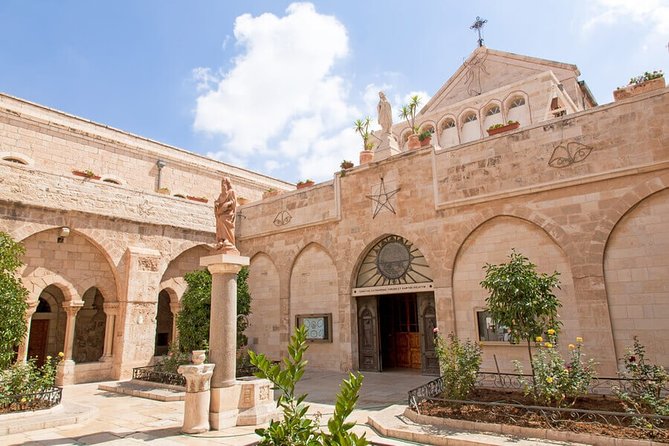
After Jerusalem, the tour continues to Bethlehem for about two hours. Bethlehem is in the West Bank, so you must carry a current valid passport. Keep it accessible, not buried in your hotel luggage.
The main stop is the Church of the Nativity, the traditional birthplace of Jesus. The church carries enormous religious importance, but it can also bring long lines. One account described waiting more than an hour inside, which left less time for other Bethlehem sights.
The Church of St. Catherine of Alexandria may be visited if time allows. Admission is listed as not included. The itinerary also refers to Bethlehem as the birthplace of Christ, but additional places such as the Milk Grotto and Shepherds’ Fields should not be treated as guaranteed unless the provider confirms them directly. The schedule names the Church of the Nativity and possible St. Catherine access, while past arrangements have not always included every extra site.
Bethlehem can be the least satisfying part of the day if shopping takes too much time. Some feedback described a long stop at a gift shop and concern that shopping felt overemphasized. I would ask before departure how much free sightseeing time is planned and if any shopping stop is part of the route.
Still, Bethlehem adds something Jerusalem cannot. You cross into a different town with its own religious setting, and the Church of the Nativity gives the tour a clear connection to the Christmas story. Just keep your expectations focused: this is a short introduction, not a full Bethlehem walking tour.
A completely different kind of day:
- From Tel Aviv: Jerusalem and Bethlehem Guided Day Trip
★ 4.3 · 1,316 reviews - From Tel Aviv: Jerusalem Old & New City Bus Tour
★ 4.2 · 824 reviews - Day Tour to Jerusalem and Bethlehem from Tel Aviv
★ 4.5 · 720 reviews - From Jerusalem: Nazareth and Sea of Galilee Tour
★ 4.5 · 588 reviews
Overnight stay and the practical middle of the trip
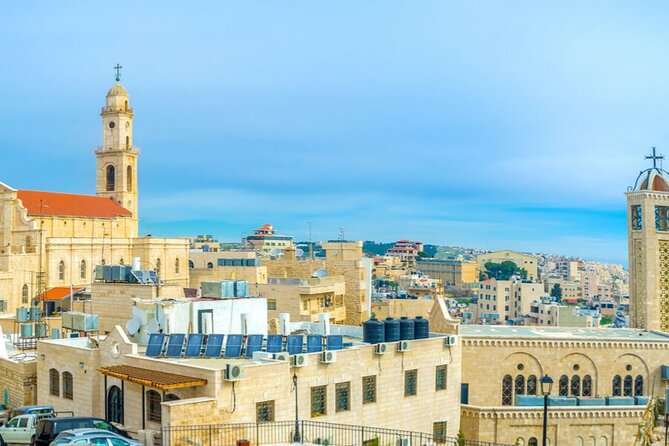
An overnight stay and breakfast are included, which helps make the $360 price easier to assess. You are not paying only for guiding. The cost also covers transport in an air-conditioned vehicle, hotel pickup and return, professional guides, breakfast and lodging.
The weak point is the hotel. The specific property and location are not clearly provided, and one account described the accommodation as poor quality and suggested arranging a hotel independently. Another person wanted clearer information about the hotel before departure. If a clean, comfortable room matters greatly to you, ask for the property name and room standard before paying.
This is also the point where you should pack for Day 2. Put your bathing suit, towel, sun protection and hat somewhere easy to reach. The Dead Sea stop is much more pleasant when you are not rummaging through a large suitcase beside the bus.
Day 2: The Good Samaritan road to Masada
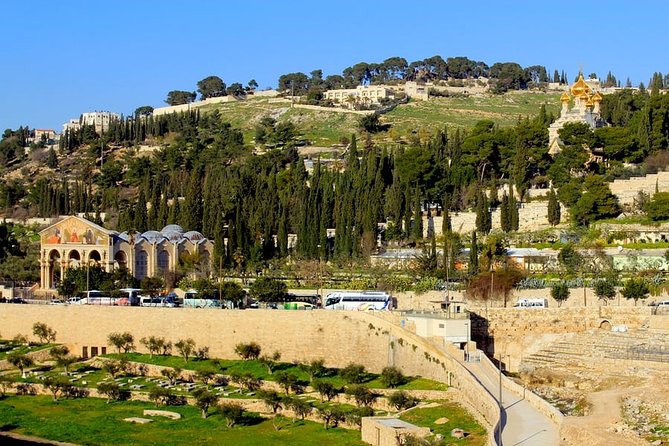
Day 2 follows the route toward the Dead Sea. You pass the Good Samaritan Inn, a roadside reminder of the biblical geography between Jerusalem and Jericho. It is listed as a pass-by rather than a full sightseeing stop, so think of it as part of the journey.
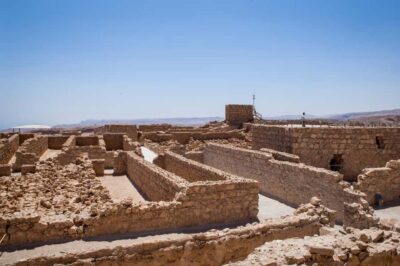
Masada National Park is the day’s major historical stop. The tour includes an ascent to Masada and about an hour and a half to explore the site. The advertised highlight is a cable-car ride, making the mountaintop accessible without a long climb on foot. Confirm the exact cable-car and park fee arrangements before departure, since the admission details supplied for the itinerary are not fully clear.
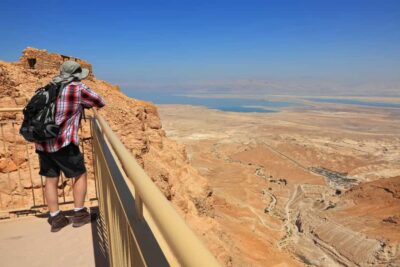
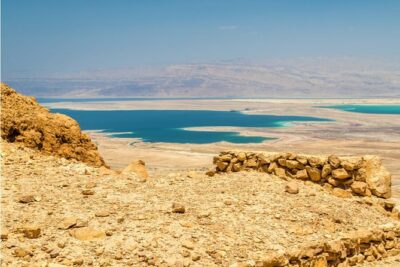
Masada was the desert fortress and palace complex associated with King Herod. From the top, you get wide views over the Dead Sea region and the dry hills around it. The ruins include palace remains, defensive walls and other traces of life on this isolated summit.
I would give Masada your full attention. The site works on two levels: it is a striking place to see, and it carries the story of the Jewish revolt against Rome and the final defenders who held the fortress. A good guide makes a real difference here. Shmil was singled out for making the visit much more interesting than expected, while Osi received warm praise for his work on Masada and the Dead Sea.
The one and a half hour window is enough for an overview. It may not be enough for every path, viewpoint and ruin, especially if the cable car is busy. Wear shoes with a firm sole, use sun protection and bring water.
Herod’s palace, Qumran and the Dead Sea
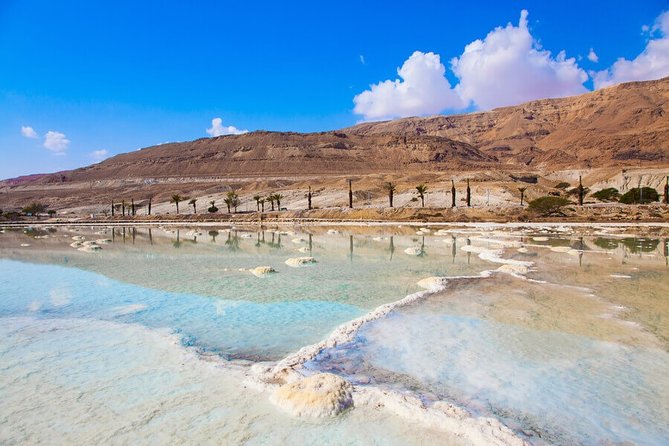
The schedule next lists Herod’s Palace, also called Herodium, for about 30 minutes. The supplied route describes this as a look at the remains of Herod’s palace, but the wording can be confusing because Masada itself also contains Herodian palace remains. Ask the guide to clarify the exact site on your departure day.
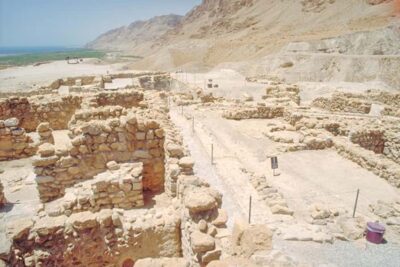
Qumran is highlighted as the place to see the Dead Sea Scrolls. The route details do not give a separate duration or clearly state what type of visit is included, so you should not assume a long museum stop. The value here is the connection between the desert caves, the scroll discoveries and the wider story of the Dead Sea region.
The tour also passes or views the Ein Gedi natural reserve. Again, this is not described as a full hike or extended visit. You get a sense of the reserve as the road continues toward the Dead Sea, but the real scheduled leisure stop is at the water.
Floating at the Dead Sea
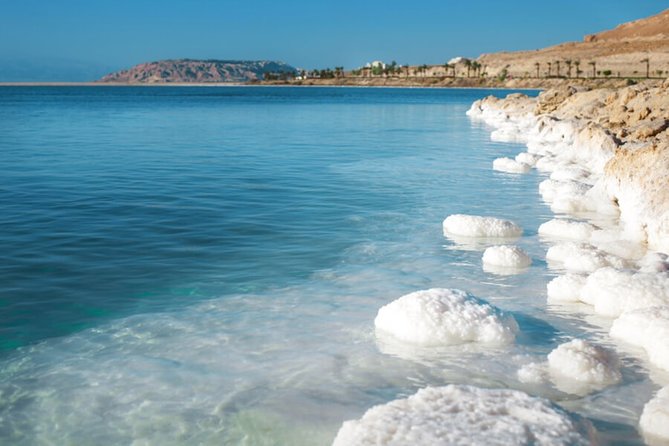
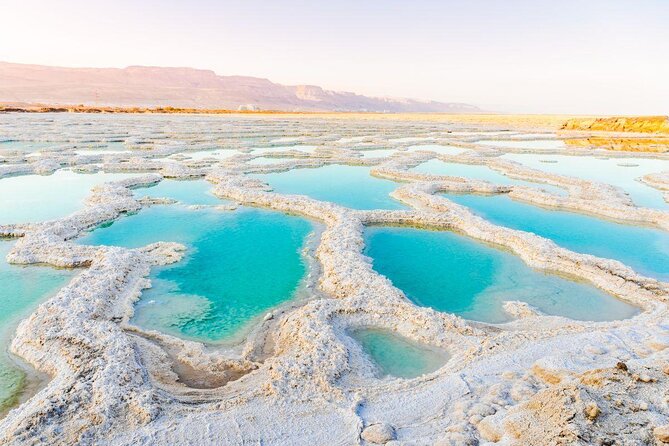
The Dead Sea stop lasts about two hours, with admission included. This is enough time to change, enter the water, float and try a mud bath without treating the visit like a rushed photo stop.
You do not swim in the usual sense. The unusually salty water supports your body, so you can lean back and float. The mud is part of the classic experience, though you should protect your eyes and avoid getting the water or mud into cuts. The supplied advice is simple and useful: bring a bathing suit, towel, hat and sun protection.
The Dead Sea was one of the most praised parts of the trip, along with Masada. That pairing makes good sense. In one morning or afternoon, you move from a fortress high above the desert to a strange, restorative body of water below sea level.
Two hours can pass quickly once changing time is included. Wear sandals or shoes suitable for the shore, and keep your camera secure around water and mud. The tour description promises the chance to float and use mud, not a spa treatment or private beach service, so keep the experience simple.
Guides, group size and the pace of the day
Guide quality is a real variable. Amir Call Or earned especially strong praise for his humor, charisma and command of Jerusalem’s stories. Shmil was praised for Masada, and Osi was praised for linking Masada and the Dead Sea into a clear Day 2. Those names suggest that the tour can be excellent when you get a strong guide.
The company may use different guides for different sections, and the group may be divided by language. One complaint described the Day 2 leader giving more attention to Spanish speakers even though they were only part of the bus. Clear, even attention matters on a trip with several languages and a fixed schedule.
The maximum group size is 40. A group of 28 was already considered too large by one person, especially in the Old City and Bethlehem, where it was hard to hear and the walking felt rushed. Another account described a guide leaving people behind and failing to check that everyone was present.
I would stay close to the guide, note the meeting point and ask how long you have before wandering off for a picture. A large group can lower the price per person, but it also makes narrow streets, church lines and bathroom stops less flexible.
There were also concerns about shopping stops and possible pressure to buy from certain stores. I would ask at the start how much time is reserved for shopping and how much for sightseeing. That small question can help you judge the day’s priorities.
Is $360 a fair price?
For $360 per person, this tour offers a lot in two days: Jerusalem, Bethlehem, Masada, the Dead Sea, an overnight stay, breakfast, hotel pickup and drop-off, an air-conditioned vehicle and professional guiding.
The value is strongest if you are short on time and would otherwise need to arrange cross-border transport, regional driving, park access and a hotel yourself. You also gain a guide for places where context matters, especially the Old City, the Western Wall, the Holy Sepulchre and Masada.
The value is weaker if you want long visits, a carefully chosen hotel or freedom to shape each day. Admission details for some sites need clarification, St. Catherine’s admission is not included, and food and drinks are generally extra. The advertised highlights also include places that may receive only a brief view.
I see this as a practical survey tour. You pay for range and convenience, not quiet time or fine control over the schedule.
Who should book this two-day Israel tour?
I would recommend it to a first-time visitor who wants the major religious and historic sights without arranging several separate day trips. It suits adults who can walk for hours, handle early starts and accept that some visits will be short.
It is especially good for people who want Masada and the Dead Sea but also need an introduction to Jerusalem. The tour gives those desert highlights a strong setting rather than treating them as isolated excursions.
I would hesitate if you are traveling with very young children, since the tour is not suitable for children under four. I would also hesitate if you need a quiet, detailed church visit, dislike group schedules or expect a high-standard hotel.
FAQ
What is included in the $360 tour price?
The price includes hotel pickup and drop-off, an air-conditioned vehicle, professional guiding, breakfast and overnight accommodation. Food and drinks are not included unless specified.
What time does the tour start?
The stated start time is 8:30 a.m.
Do I need a passport for Bethlehem?
Yes. A current valid passport is required for a visit to Bethlehem.
What should I wear for the religious sites?
You should cover your knees and shoulders. Shorts are discouraged, and both men and women may be refused entry if they do not follow the dress requirements.
How much walking is involved?
The tour includes a reasonable amount of walking, especially through the Old City of Jerusalem and its quarters. Comfortable walking shoes are recommended.
What should I bring for the Dead Sea?
Bring a hat, bathing suit, towel and sun protection. The tour includes time to float and use Dead Sea mud.
Is there a group-size limit?
Yes. The tour can have a maximum of 40 travelers, though the actual group may be smaller.
Should you book it?
Book this tour if you want a fast, broad introduction and value having transport, a guide and a hotel handled together. The best day is likely Day 2, when Masada and the Dead Sea give you two memorable experiences with very different moods.
Book with caution if your priority is depth. Ask about the exact hotel, the cable-car and admission arrangements, the guide language setup and any shopping stops before you commit. With a strong guide such as Amir Call Or, Shmil or Osi, this can be an excellent first taste of Israel. With a large group and a rushed schedule, it can feel like you are collecting famous names rather than truly seeing each place.
More Bethlehem and West Bank Tours
- Jerusalem, Dead Sea, and Bethlehem from Tel Aviv
★ 4.0 · 299 reviews - Jerusalem and Bethlehem Day Tour from Jerusalem
★ 4.5 · 258 reviews - Travel to Bethlehem Half Day Guided Tour from Jerusalem & TelAviv
★ 5.0 · 239 reviews - West Bank Tour from Jerusalem
★ 4.5 · 184 reviews
Just added in Jerusalem
- Walking Jerusalem in Russian★ 5.0 · 1 review
- private Full-Day Tour to Bethlehem and Jerusalem★ 5.0 · 2 reviews
- Jerusalem and Dead Sea Trip from Tel Aviv★ 4.0 · 6 reviews
- Tel Aviv & Old City of Jaffa – Tiny group from Tel Aviv★ 4.5 · 9 reviews
- Tel Aviv; Jaffa Old City, Port & Shuk Hapishpishim Walking Tour★ 4.5 · 11 reviews
- Tel Aviv: Food & History Tour of Jaffa Old City & Flea Market★ 5.0 · 1 review
- Discover the Secrets of the Underground Jerusalem with a private tour★ 5.0 · 4 reviews
- Private Tour from Tel Aviv to Jerusalem★ 5.0 · 3 reviews
Dead Sea Day Trips, compared.
Masada & Dead Sea Full Day Tour with Pick Up
Read our review →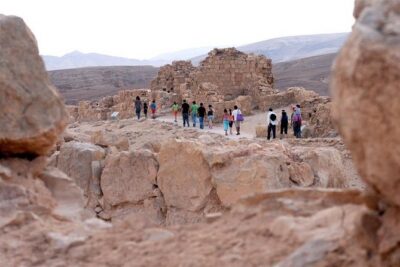
Masada and the Dead Sea Day Trip from Tel Aviv
Read our review →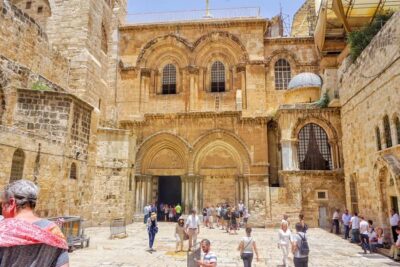
Masada and the Dead Sea Day Trip from Jerusalem
Read our review →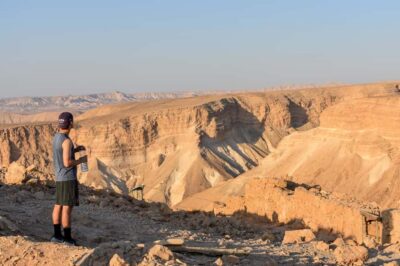
Browse the lists this tour appears in