Reviewed · PRIVATE
Explore Palestine: 4-Day Private Tour from Jerusalem
This tour asks you to look beyond the postcard. From Jerusalem, it takes you through Ramallah, Bethlehem, Hebron, Nablus, Jericho, and the Dead Sea, combining famous religious sites with Palestinian towns, refugee camps, family businesses, and conversations about daily life under occupation. I like the Palestinian-led perspective, and I like that the tour does not treat the region as a string of ancient monuments detached from present-day politics.
The price is $1,772 per person, which is substantial, but it covers four nights of accommodation, private guiding, four dinners, three breakfasts, and transport from Jerusalem. The main consideration is that this is not a light sightseeing holiday. Checkpoints, barriers, settlements, refugee camps, and contested holy places are central to the experience, and the schedule involves walking and long road days.
In This Review
- Key points to know before booking
- What the $1,772 price really covers
- Day 1: From the Mount of Olives to Ramallah
- Day 2: Hebron, Banksy, and Bethlehem’s sacred center
- Day 3: Nablus, Balata, and the Samaritan community
- Day 4: Bedouin communities, Jericho, and the Dead Sea
- Transport, timing, and what to pack
- Who will value this tour most?
- Should you book the four-day Palestine tour?
- FAQ
- Where does the tour start?
- Where does the tour end?
- Is accommodation included?
- Are meals included?
- What admission fees are extra?
- Do I need a passport?
- Is this a private tour?
Key points to know before booking
- Ramallah and Bethlehem provide the tour’s human focus, with local meetings, home-style hospitality, and time in Aida refugee camp.
- The route includes major religious sites, including the Temple Mount, Church of the Nativity, Cave of the Patriarchs, Jacob’s Well, and Mount Gerizim.
- You see the geography of the conflict directly, including checkpoints, the separation barrier, settlements, divided neighborhoods, and restricted roads.
- The private format matters, since only your group participates and the English-speaking guide can explain complex issues at your pace.
- Several admission fees are extra, including the Dead Sea, cable car, Walled Off Hotel, Samaritan Museum, and archaeological sites.
- Accommodation is in a Bethlehem homestay, with a hotel upgrade available at an additional cost.
What the $1,772 price really covers
At first glance, $1,772 per person may seem high for four days. The price makes more sense when you count what is bundled into it: four nights of accommodation, an English-speaking private guide, pickup from Jerusalem, four dinners, and three breakfasts. The private nature of the trip also changes the value. You are not being moved through a large coach group, and your guide can spend more time on questions that matter to your party.
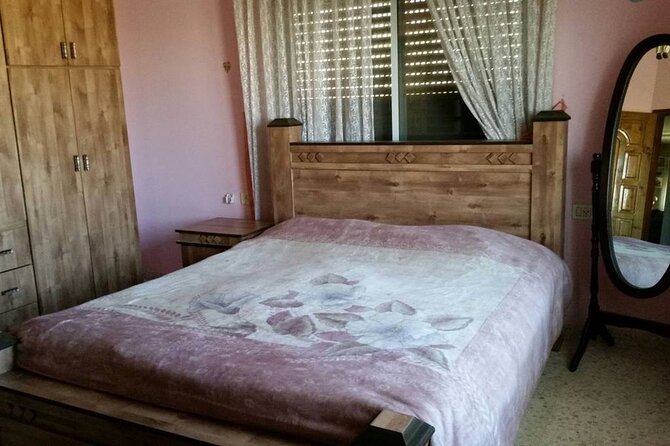
The accommodation is arranged as double or triple occupancy, unless you pay for a single room. A three or four-star hotel upgrade is also available if you prefer a more standard hotel setting. The included homestay is the more meaningful choice if you want closer contact with Palestinian family life, but it may feel less predictable than a conventional hotel.
Lunch is not included, and neither are most entrance fees. Set aside extra money for Arafat’s Tomb, the Walled Off Hotel, the Samaritan Museum, Hisham’s Palace, Tel Es Sultan, and the Dead Sea. The optional cable car at the Mount of Temptation costs 60 NIS, while hiking up avoids that charge.
The practical value is strongest for someone who wants interpretation, context, and access to places that can be difficult to arrange independently. If your main goal is a quick checklist of biblical sites, this tour may feel too political and too slow. If you want to understand how geography, identity, religion, and movement restrictions affect daily life, the cost is easier to justify.
More things to do in Jerusalem:
- From Tel Aviv: Jerusalem and Bethlehem Guided Day Trip
★ 4.3 · 1,316 reviews - Tel Aviv: Jerusalem, Bethlehem & Dead Sea
★ 4.0 · 881 reviews - From Tel Aviv: Jerusalem Old & New City Bus Tour
★ 4.2 · 824 reviews
Day 1: From the Mount of Olives to Ramallah
The first morning begins at 8:30 a.m. at the YMCA Three Arches Hotel on King David Street in Jerusalem. Pickup from your Jerusalem hotel is offered, but the stated meeting point gives you a clear fallback if you need to make your own way there.
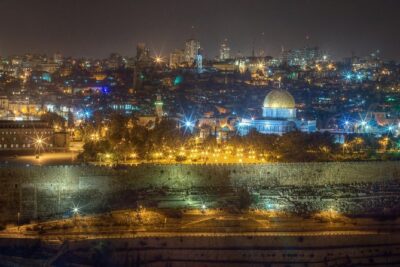
The day opens at the Mount of Olives, where Jerusalem’s Old City spreads out below you. This is an excellent place to get your bearings. You can see the Temple Mount and the Noble Sanctuary, while also looking across parts of East Jerusalem and toward nearby Israeli settlements. The view is beautiful, but the guide’s explanation gives it weight. The hills, roads, and housing patterns are not just scenery. They help explain why this city remains so contested.
You may enter the Christian chapel of Dominus Flevit, if you choose. The next stop is the Temple Mount, also known as the Noble Sanctuary. For Christians, Jews, and Muslims, this compact area carries enormous religious importance. The present arrangements are sensitive, and even small changes can trigger serious conflict. Your guide’s role here is especially useful because the site cannot be understood through architecture alone.
The tour then heads north to Nebi Samuel National Park and the Tomb of the Prophet Samuel. From the hilltop, you get broad views toward Jerusalem and the West Bank barrier. The location also helps you see how physical boundaries affect movement.
The drive becomes part of the lesson. After crossing the Aljib checkpoint, you pass four Palestinian towns cut off from much of the West Bank by the barrier. The tour explains the road system, including the difference between routes available to Israeli-licensed vehicles and the tunnels or back roads used by Palestinian vehicles. This is one of the strongest parts of the program because you are not only hearing about restricted movement. You are watching the system operate around you.
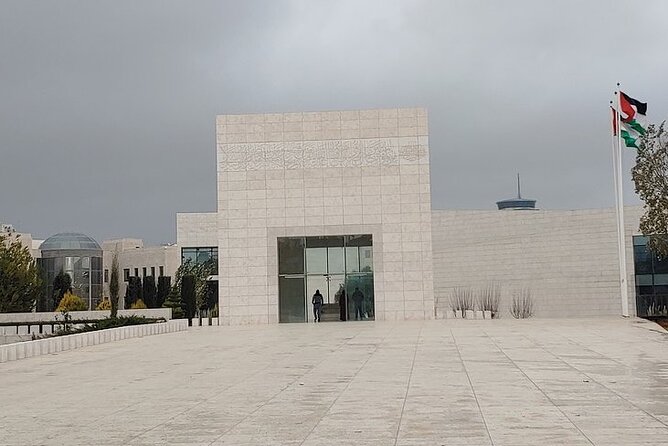
In Ramallah, you visit Arafat’s Tomb and walk through the city. There is time to try typical food, speak with local people, and attend a meeting arranged by the guide. The exact meeting changes from week to week, so you should regard it as a chance for conversation rather than a fixed performance.
Ramallah gives the day a welcome change of pace. After the heavy political context of the morning, you see an active city with ordinary streets, shops, and social life. On the way out, the route passes Kufr Akab, a neighborhood that remains part of Jerusalem’s municipality even though the separation barrier cuts it off from the rest of the city. Residents pay city taxes, yet their physical connection to Jerusalem is severely restricted.
The return through Qalandiya checkpoint makes the point plainly. Access depends on documentation, including foreign passports, permits, or Israeli identification cards. Admission to Arafat’s Tomb is 10 NIS. At day’s end, you are taken to your homestay in Bethlehem.
Day 2: Hebron, Banksy, and Bethlehem’s sacred center
From Bethlehem, the second day heads south to Hebron. Along the road, your guide explains Israeli settlements, home demolitions, and travel limits affecting Palestinian residents. The subject matter is difficult, but seeing the communities and roads directly gives the discussion a concrete setting.
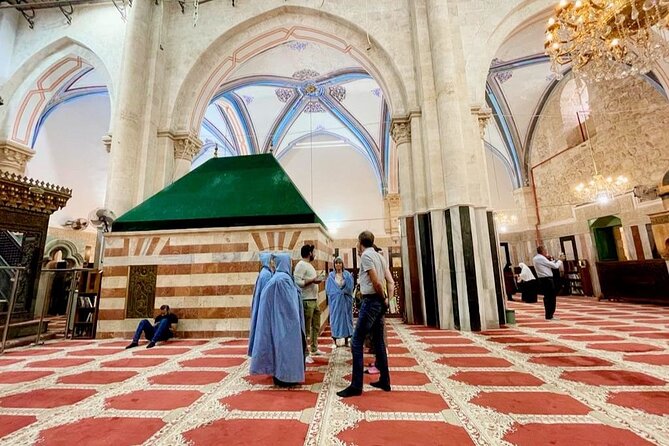
Hebron’s Ibrahimi Mosque, also known as the Cave of the Patriarchs, is the day’s major religious stop. It is sacred to Muslims, Jews, and Christians, and the site’s divided arrangements reflect the broader tensions of the city. The nearby market offers a different experience. You can walk through the shops, browse goods, and stop for purchases rather than simply passing through on a bus.
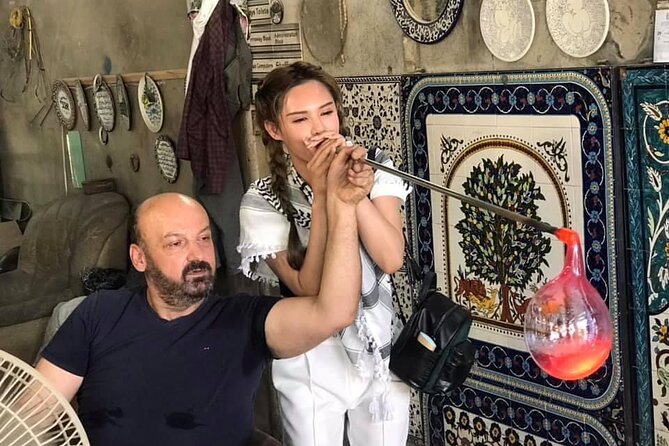
A visit to a family-owned glass factory adds an economic angle. It shows a local craft tradition and puts a human face on the city beyond its political headlines. I would plan to keep some spending money available here, since shopping is built into the walk through the market.
Back in Bethlehem, you follow the separation barrier and see the graffiti painted by local and international artists. The art is visually striking, but the wall is not merely an urban canvas. The tour presents it alongside the history and effects of occupation, so you get both the creative response and the difficult setting behind it.
Banksy’s Walled Off Hotel is another major stop. You can visit its museum, which presents the history of occupation through art, and its gallery, where local artists show their work. Admission is 20 NIS. This stop will appeal most to visitors interested in modern political art. If you prefer only traditional religious monuments, it may feel like a detour, but it gives Bethlehem a contemporary voice.
At Aida refugee camp, a walking tour introduces you to local residents and their stories. The purpose is not to turn the camp into a sightseeing spectacle. Rather, the visit offers a chance to hear about displacement and the unresolved refugee question from people living with its effects.
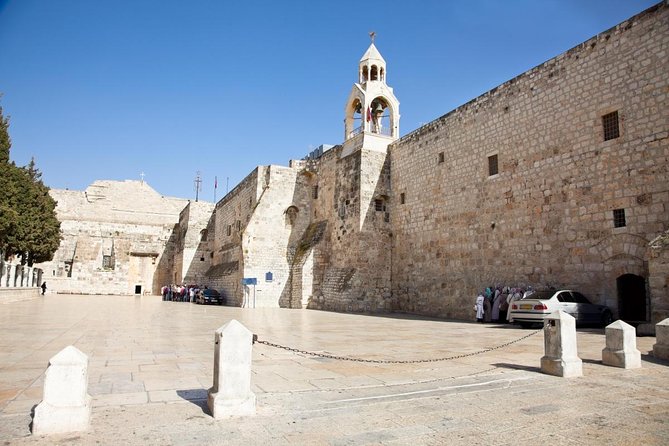
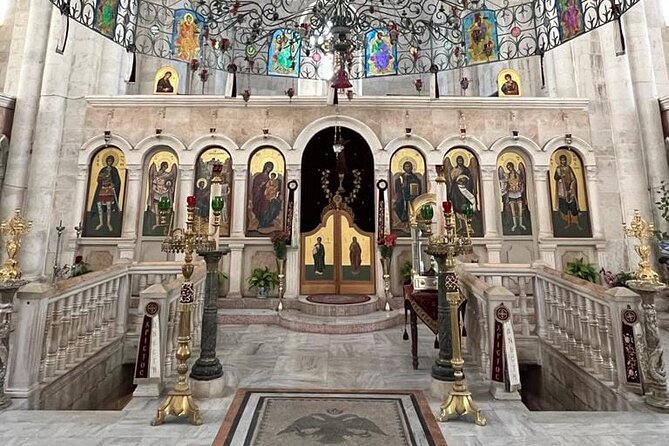
The day ends in Manger Square and the Church of the Nativity. You also walk through Bethlehem’s Old City and market. The mix is well judged: one part sacred site, one part living town, and one part direct encounter with the political reality surrounding both.
Day 3: Nablus, Balata, and the Samaritan community
The third day begins in the Nablus area at the Church of Jacob’s Well. Christian tradition connects the well with the meeting between Jesus and the Samaritan woman. The church offers a quieter religious setting after the crowded and politically charged sites of Jerusalem and Hebron.
Across the road, the tour visits the Women’s Center of Balata Refugee Camp. The women produce embroidered work, run empowerment programs, and organize activities for children and summer camps. This is a valuable stop because it shows community work rather than presenting the camp only through hardship.
You then walk through Balata’s narrow alleys and hear about housing conditions, deprivation, and the unresolved refugee issue. This will require an open mind and a respectful manner. The walk is not a polished cultural show. Its value comes from hearing how people organize daily life in a difficult setting.
The program also includes the Old City, with Ottoman-era buildings, an old olive-oil soap factory, a spice shop, and one of the region’s oldest Turkish baths. These details give you a more rounded view of Nablus. Soap production, spices, stone buildings, and bathing traditions connect the city to long-running local trades and customs.
The schedule identifies this Old City portion as Hebron, but the listed attractions fit the Nablus section of the day. If exact routing matters to you, ask the operator to confirm the sequence before departure. That small clarification can prevent confusion on a packed multi-city tour.
Mount Gerizim provides a final change of perspective. A small Samaritan community still lives on the hilltop, and you visit its museum, speak with a priest, and walk toward the site of the ancient temple. The admission fee is 20 NIS.
This stop is one of the tour’s most unusual. It introduces a small religious community whose traditions are connected to the biblical world but whose modern life is equally important. The guide combines ancient stories with information about the current city and community, which keeps the visit from becoming a simple archaeological stop.
You return to the Bethlehem homestay at the end of the day. After two full days, the pace may feel demanding, especially if you take every walking opportunity. A moderate level of physical fitness is recommended.
A few more options to weigh up in Jerusalem
- Private Tour Jerusalem Old City
★ 5.0 · 118 reviews - JERUSALEM private tour with ELAD VAZANA – Life in Israel & Palestine Then & Now
★ 5.0 · 115 reviews - Jerusalem Private Full Day Tour
★ 5.0 · 110 reviews - Palestine Revealed: 2-Day Private Tour from Jerusalem
★ 5.0 · 110 reviews
Day 4: Bedouin communities, Jericho, and the Dead Sea
The last day moves east toward Jericho and the Dead Sea. Along the way, you see checkpoints, parts of the separation barrier, and Ma’ale Adumim, one of the largest Israeli settlements in the West Bank. The tour contrasts life in the settlement with nearby Azariya, making the differences in roads, services, and built surroundings easier to grasp.
At Khan Al Ahmar, you meet Jahalin Bedouins and learn about the pressures facing their community. The Jahalin lost much of their land to Ma’ale Adumim, and their villages are described as unrecognized by Israeli authorities, with ongoing threats of demolition and eviction. You also see unrecognized residences on the road to Jericho.
This is among the most serious encounters on the tour. Approach it as a place where people live, not as a dramatic photo stop. The guide can provide context, but your conduct matters too.
Near Jericho, you can take a cable car or hike up to the Mount of Temptation Monastery. The hilltop gives wide views over Jericho and the Jordan Valley. The cable car costs 60 NIS, while hiking is the no-cost option. If you choose the hike, expect the day to feel more physically demanding.
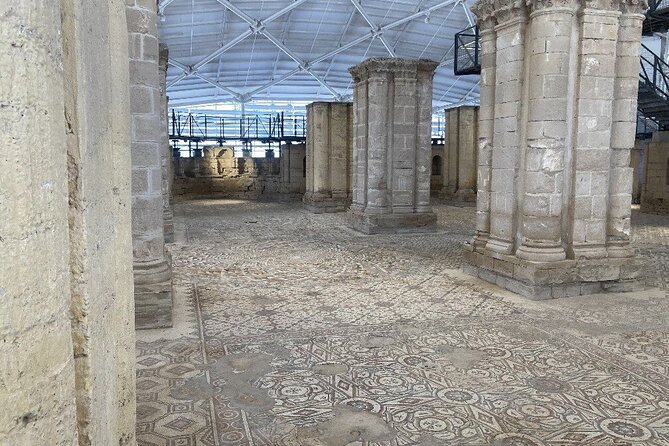
The archaeological stops are Hisham’s Palace and Tel Es Sultan, the site of ancient Jericho. Hisham’s Palace is known for its fine mosaic flooring. Admission to the palace costs 10 NIS, and Tel Es Sultan costs another 10 NIS. Together, they add ancient architecture and archaeology to a day otherwise focused on modern political and social questions.
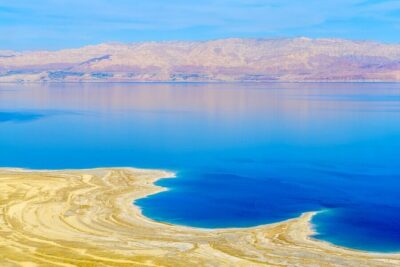
The final stop is the Dead Sea, the lowest point on earth. You have time to enter the mineral-rich water at a nearby beach. Admission is 60 NIS. Bring suitable swim items and plan around the fact that this is an optional paid stop, not an included entrance.
At the end of the day, you return to the Bethlehem homestay. In the morning, your host family sees you off as you continue to your next destination. That closing detail gives the four-day program a personal ending rather than a simple hotel checkout.
Transport, timing, and what to pack
This is a private tour, so only your group participates. That is a real advantage when the subject matter raises questions or when checkpoint delays affect the schedule. At the same time, private does not mean completely flexible. The route covers several cities and borders of control, so timing can change.
Bring your current valid passport on every tour day. Near public transportation is available, but the organized pickup is easier if you are staying in Jerusalem. Wear comfortable walking shoes, carry water, and keep cash available for NIS admissions, food, shopping, and personal expenses.
The four days include long periods in a vehicle as well as walks through markets, camps, historic districts, and hilltop sites. You should be comfortable with a moderate level of physical activity. The tour is not described as wheelchair accessible, so anyone with mobility concerns should confirm arrangements before booking.
Who will value this tour most?
I would recommend this experience to you if you want more than ancient stones and famous photographs. It suits visitors interested in Palestinian society, religious history, modern politics, refugee life, architecture, local crafts, and the practical effects of borders and checkpoints.
It is also a strong choice if you have limited time but want to go beyond Jerusalem. Arranging Ramallah, Hebron, Nablus, Bethlehem, Jericho, and the Dead Sea independently would require careful planning, local transport knowledge, and attention to access rules.
You may not enjoy it if you want a neutral-feeling sightseeing schedule with little political discussion. The tour has a clear Palestinian viewpoint, and the occupation is not treated as a side note. That perspective is its central purpose, not an occasional theme.
The sole published rating is a five-star review describing the experience as excellent, informative, and incredible. The praise is especially useful because it points to the tour’s main strength: the combination of many places and activities with serious explanations of history, culture, politics, and lived reality. The provider is Green Olive Tours, and the guide is described as an expert Palestinian English speaker, though no individual guide name is provided.
Should you book the four-day Palestine tour?
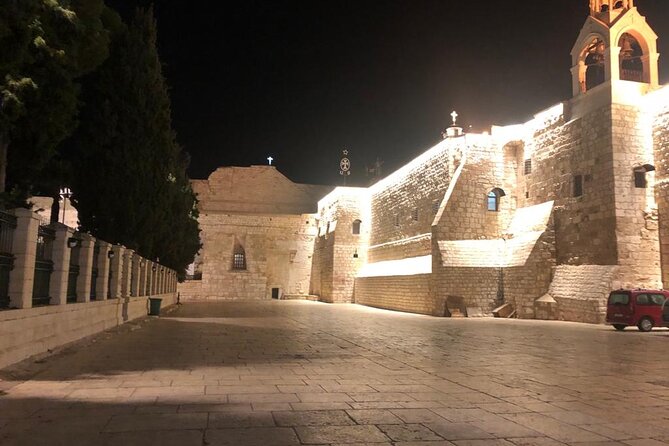
Book it if you want a serious, personal introduction to Palestinian places and daily life, and if you are prepared to listen as well as sightsee. The homestay, private guide, local meetings, refugee-camp visits, and broad route offer far more context than a standard day trip.
Before paying, budget for the extra admissions and lunches, confirm whether you want a single room or hotel upgrade, and ask about the exact Nablus and Old City routing. Cancellation is generous only when handled early: a full refund requires cancellation at least six full days before the start, while later cancellations receive only a partial or no refund.
This is not the easiest four days in the region, but it may be among the most useful. You leave with religious landmarks, archaeological sites, local food, art, and scenery, yet also with a clearer sense of how borders and political decisions shape ordinary Palestinian life.
FAQ
Where does the tour start?
The tour starts at 8:30 a.m. at the YMCA Three Arches Hotel, King David Street 26, Jerusalem. Pickup from your hotel in Jerusalem is offered.
Where does the tour end?
The tour ends at a homestay in Bethlehem. After the final night, the host family sees you off as you continue to your next destination.
Is accommodation included?
Yes. Four nights of accommodation are included in double or triple occupancy. A single room and a three or four-star hotel upgrade cost extra.
Are meals included?
Four dinners and three breakfasts are included. Lunch, personal expenses, and food or drinks not specifically included are extra.
What admission fees are extra?
Extra fees include 10 NIS for Arafat’s Tomb, 20 NIS for the Walled Off Hotel, 20 NIS for the Samaritan Museum, 20 NIS combined for Hisham’s Palace and Tel Es Sultan, and 60 NIS for the Dead Sea. The Mount of Temptation cable car costs 60 NIS if you choose it instead of hiking.
Do I need a passport?
Yes. A current valid passport is required on the day of the tour.
Is this a private tour?
Yes. Only your group participates, with a personal English-speaking guide.
Just added in Jerusalem
- Walking Jerusalem in Russian★ 5.0 · 1 review
- private Full-Day Tour to Bethlehem and Jerusalem★ 5.0 · 2 reviews
- Jerusalem and Dead Sea Trip from Tel Aviv★ 4.0 · 6 reviews
- Tel Aviv & Old City of Jaffa – Tiny group from Tel Aviv★ 4.5 · 9 reviews
- Tel Aviv; Jaffa Old City, Port & Shuk Hapishpishim Walking Tour★ 4.5 · 11 reviews
- Tel Aviv: Food & History Tour of Jaffa Old City & Flea Market★ 5.0 · 1 review
- Discover the Secrets of the Underground Jerusalem with a private tour★ 5.0 · 4 reviews
- Private Tour from Tel Aviv to Jerusalem★ 5.0 · 3 reviews
Private, compared.
JERUSALEM private tour with ELAD VAZANA – Life in Israel & Palestine Then & Now
Read our review →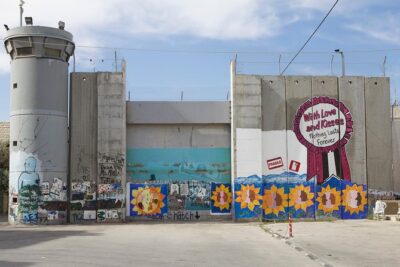
Palestine Revealed: 2-Day Private Tour from Jerusalem
Read our review →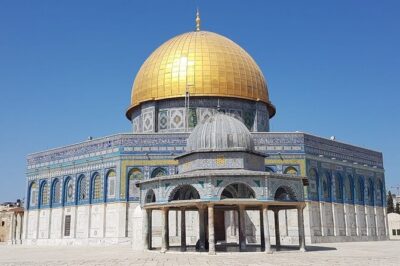
Exclusive Private Tour in The Israel Diamond Exchange
Read our review →
Tel Aviv Airport (TLV) to Tel Aviv Hotels – Private Transfer
Read our review →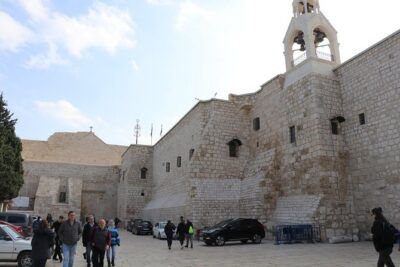
Bethlehem Half Day Private Tour – Pick up from Jerusalem/Tel Aviv/Ashdod
Read our review →