
Reviewed · 2-DAY EXPERIENCES
Palestine Revealed: 2-Day Private Tour from Jerusalem
Palestine asks difficult questions. This two-day private tour gives you a direct way to face them, while also visiting major biblical and historic sites. You travel from Jerusalem or Tel Aviv with an English-speaking guide, private vehicle, and overnight stay, rather than trying to sort out the West Bank’s logistics alone.
I like the personal format, which lets you ask frank questions and spend more time where the discussion matters. I also like the mix of religious landmarks, political context, local crafts, and personal encounters in Hebron, Bethlehem, and Aida Camp. The main drawback is the high price, $1,245.65 per person, especially if only one or two people are sharing the booking.
The route is not a light sightseeing trip. Kiryat Arba, Hebron’s checkpoints, the Separation Barrier, and Baruch Goldstein’s tomb can feel confronting. You should arrive ready to listen, dress conservatively, carry your passport, and accept that the tour presents a strongly Palestinian-centered account of a contested place.
In This Review
- Key points to know before you book
- Why this two-day route is different
- Day one: Gush Etzion and the view from Israeli settlements
- Kiryat Arba and a troubling memorial
- The Cave of the Patriarchs, shared and divided
- Walking Hebron’s Old City and Shuhada Street
- Hebron’s glass and ceramics tradition
- Day two: Mar Saba and the Judean desert
- Bethlehem’s Church of the Nativity
- The Separation Barrier and the Walled Off Hotel
- Aida Camp and personal stories
- Price, private transport, and the overnight stay
- Who should book this experience?
- My booking advice
- FAQ
- Where does the tour begin and end?
- Is this a private tour?
- Do I need to bring my passport?
- What meals and accommodation are included?
- Is admission to the Walled Off Hotel included?
- How should I dress?
Key points to know before you book
- Hebron is the emotional center: You see Kiryat Arba, the Cave of the Patriarchs, Shuhada Street, settler compounds, military positions, and checkpoints in one concentrated day.
- The tour crosses several political viewpoints: Gush Etzion and Kiryat Arba introduce Israeli settlement history before the route turns toward Palestinian life in Hebron and Bethlehem.
- Sacred sites share the itinerary with hard realities: The Cave of the Patriarchs and Church of the Nativity sit alongside refugee camps, the Separation Barrier, and occupied areas.
- Local contact is built into the route: You visit a Hebron glass factory and meet people in Aida Camp, giving the trip a human scale beyond monuments and maps.
- Mar Saba adds a quiet morning: Its Judean desert setting provides a striking change of pace before Bethlehem’s crowded religious and political sights.
- This is a demanding private tour, not a casual excursion: The best fit is someone who wants context, conversation, and firsthand perspectives more than a quick checklist of holy places.
Why this two-day route is different

A standard Holy Land tour can take you to Jerusalem, Bethlehem, and the Cave of the Patriarchs as isolated sights. This experience links them to the modern political geography around them.
You begin by looking at Israeli communities in the Gush Etzion settlement bloc. You then enter Hebron, where Israeli settlers, Palestinian residents, military control, religious access, and contested public space all appear within a small area. The second day shifts toward Bethlehem, Palestinian cultural life, the Separation Barrier, and Aida Camp.
That structure matters. You are not simply hearing a guide recite dates beside a church. You are being shown how history, religion, security, identity, and daily life overlap. The guide is expected to explain both history and current politics, and the private setup gives you room to ask about terms or events that can be hard to follow.
The strongest praise associated with this operator centers on guides who are passionate, engaging, and willing to handle direct questions. Names connected with related tours include Anas, Yamen, Yamin, Rami, Moustapha, Mohammed, and Mustafa. Your assigned guide may be different, but the experience depends heavily on the person leading it. That is one reason a private tour can be worth more than a larger coach excursion.
More things to do in Jerusalem:
- From Tel Aviv: Jerusalem and Bethlehem Guided Day Trip
★ 4.3 · 1,316 reviews - Tel Aviv: Jerusalem, Bethlehem & Dead Sea
★ 4.0 · 881 reviews - From Tel Aviv: Jerusalem Old & New City Bus Tour
★ 4.2 · 824 reviews
Day one: Gush Etzion and the view from Israeli settlements
The first stop is Gush Etzion, a settlement bloc south of Jerusalem. You spend about 30 minutes here, hearing about the history and present status of the Israeli communities in the area.
This opening is useful because it gives you an Israeli viewpoint before you reach Hebron. The subject is politically charged, and the visit is not presented as a neutral photo stop. I would treat it as a short orientation to the settlement issue, then pay close attention to how the guide connects it to the roads, communities, and security arrangements you see later.
The stop has no separate admission charge. The short visit also means you should not expect a large museum or a long walk. Its value lies in the explanation and the setting.
Kiryat Arba and a troubling memorial
On the edge of Hebron, you visit Kiryat Arba, an Israeli suburb and Jewish enclave that has long been at the center of controversy. The scheduled visit lasts about 30 minutes and includes Baruch Goldstein’s tomb.
This is one of the tour’s most difficult moments. The tomb is connected to a violent attack at the Cave of the Patriarchs, so the stop is not a simple religious or historical visit. You may find the subject upsetting, and the presence of the tomb forces you to think about how different communities remember violence.
I appreciate that the itinerary does not hide this part of the story. At the same time, you should ask your guide for clear context rather than treating the site as self-explanatory. A private guide can help explain why the location is visited and how it fits into the wider conflict.
The Cave of the Patriarchs, shared and divided
The Cave of the Patriarchs, known as Me’arat Hamachpela and Al-Haram Al-Ibrahimi, is the day’s great religious landmark. The site is associated with Abraham and other biblical patriarchs, and the tour offers the chance to enter both the Muslim mosque area and the Jewish synagogue area.
Plan for about 90 minutes. Bring your current passport, because it is specifically required for this visit and for the tour generally. Access arrangements can be sensitive, so do not leave your passport at the hotel or in the vehicle.
The importance of this stop is not only its age or religious meaning. The building is a shared sacred place divided between two faith communities, with access shaped by security and political realities. Seeing both sides can make the division more understandable than a lecture alone.
Dress with care. Hebron is socially conservative, and the requested standard is trousers for men and women, shirts that cover the shoulders and close to the neck, and no shorts. In hot weather, light, loose clothing is the practical answer.
A few more options to weigh up in Jerusalem
- Private Tour Jerusalem Old City
★ 5.0 · 118 reviews - JERUSALEM private tour with ELAD VAZANA – Life in Israel & Palestine Then & Now
★ 5.0 · 115 reviews - Jerusalem Private Full Day Tour
★ 5.0 · 110 reviews - Bethlehem Half Day Private Tour – Pick up from Jerusalem/Tel Aviv/Ashdod
★ 5.0 · 54 reviews
Walking Hebron’s Old City and Shuhada Street
You spend about two and a half hours walking through Hebron’s Old City and along Shuhada Street, with lunch in the Old City. This is the part of day one where the political material becomes physical.
You see settlers’ compounds, a military base, and checkpoints along the route connecting them. Shuhada Street has become one of the clearest places to see how restrictions and separation affect movement and public space. Your guide explains what you are seeing while you walk, which is far more useful than looking at a checkpoint through a bus window.
The walk can be confronting. You should not expect a polished historic quarter in the usual sightseeing sense. The value comes from observing the city’s divided character and hearing how the arrangements affect Palestinian residents.
Cash is a sensible precaution for lunch and personal purchases. The tour information says breakfast and dinner are included, while food and drinks are otherwise excluded unless specified. Since lunch is scheduled but the exact coverage is not fully clear, confirm what is included before departure.
Hebron’s glass and ceramics tradition
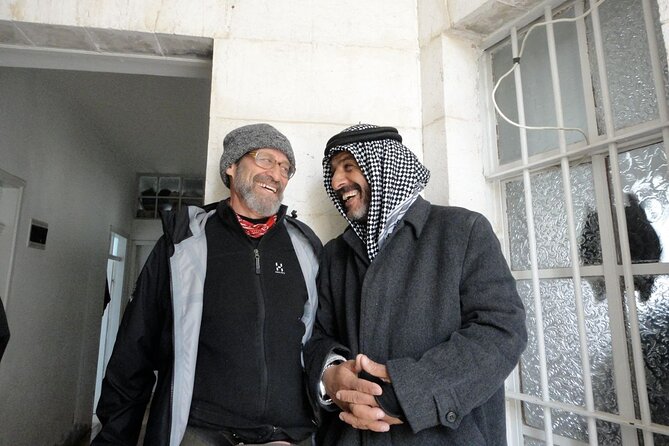
A 30-minute visit to a local glass factory adds a welcome cultural note after the heavy material in central Hebron. Glassmaking is described as a common Hebron industry, and the stop gives you a chance to see a local craft rather than spending every hour on politics and religion.
This is also a practical opportunity to support a local business by buying something if you wish. Personal expenses are not included, so bring money if you are interested in glass or ceramics. The visit is brief, but it helps prevent Hebron from being reduced to conflict alone.
Day two: Mar Saba and the Judean desert
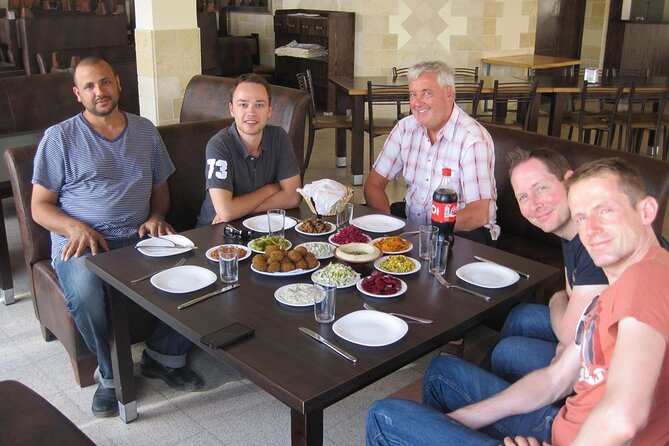
The second morning begins at Mar Saba Monastery, with about 90 minutes at the site. The monastery and its setting offer broad views across the Judean desert, making this a sharp change from Hebron’s dense streets and checkpoints.
The stop works well early in the day because it gives you quiet space before Bethlehem. The view is the main attraction, along with the monastery itself. The itinerary does not specify an admission fee, and the listed schedule shows no separate ticket charge.
You should still dress for a religious site and for outdoor conditions. The general clothing guidance for Hebron and Bethlehem applies to the tour, and light loose clothing is recommended in hot weather.
Bethlehem’s Church of the Nativity
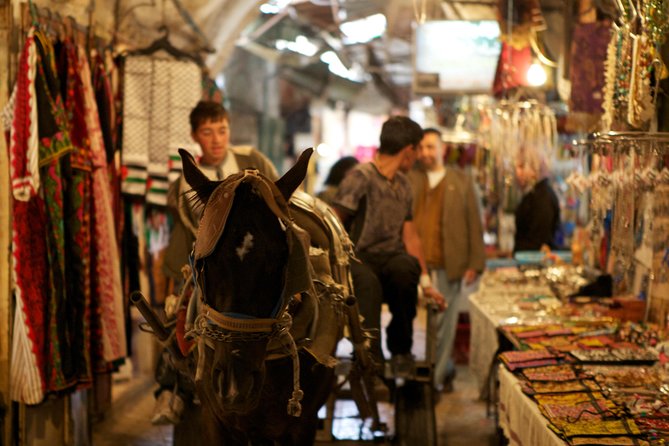
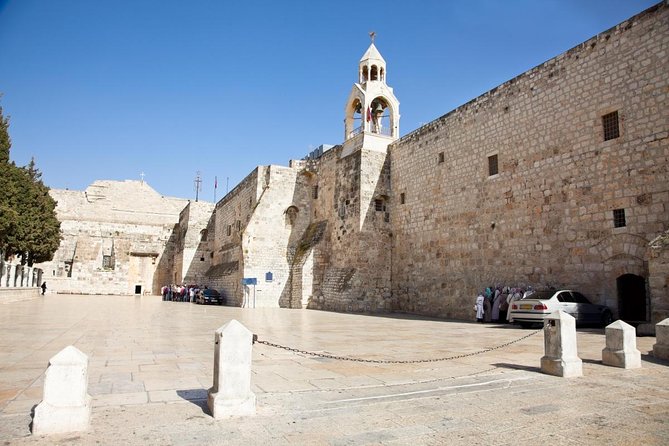
From Mar Saba, the tour continues to Manger Square and the Church of the Nativity. You have about two hours for the church and a walk through Bethlehem’s Old City.
For many people, this is the spiritual high point. The church is one of Christianity’s central pilgrimage sites, and Manger Square gives you a sense of Bethlehem as a lived-in city rather than only a name from the Christmas story.
The visit is stronger because it follows the desert monastery and precedes the afternoon’s political discussion. You see Bethlehem as a religious center, an old city, and a modern Palestinian community in one visit.
Expect the day to involve walking, religious spaces, and time in public streets. Conservative dress is important here too. The private format helps if you need extra explanation about the site or want to ask questions without holding up a large group.
The Separation Barrier and the Walled Off Hotel
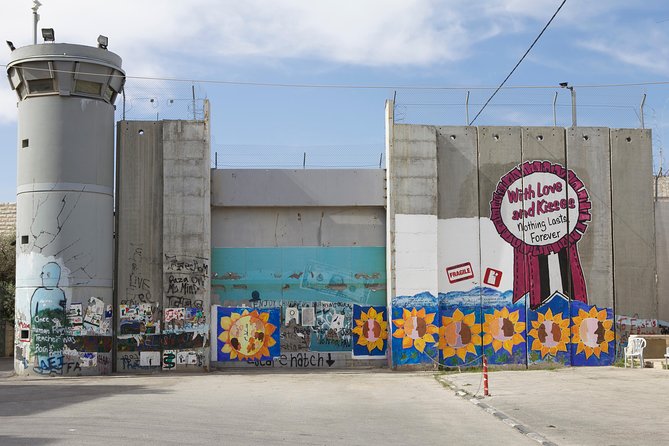
After lunch at a local restaurant, you walk beside the Separation Barrier and discuss its effect on Palestinian life. The tour also examines how artists, including Banksy, have used the wall as a surface for graffiti and political art.
The Walled Off Hotel is part hotel, part museum, and part gallery. Its purpose is to draw attention to an area that had been abandoned by tourists and to present the history of the occupation through art. You can also see work by local artists in the gallery.
Admission to the Walled Off Hotel costs 20 NIS and is not included. That is a small extra cost beside the tour price, but it is worth knowing in advance so you have cash available.
This stop is visually striking, but it is not politically neutral. The wall, the artwork, and the museum’s presentation all direct your attention toward the Palestinian experience of occupation. That focus is the point of the tour, yet I would not treat this one visit as a complete account of every Israeli or Palestinian position.
The scheduled time is about two hours and 15 minutes, including lunch and the wall walk. Wear comfortable shoes and expect the subject matter to remain serious.
Aida Camp and personal stories
The final stop is Aida Refugee Camp, where you have about an hour and the opportunity to meet local residents and hear their stories.
This can be the most human part of the journey. A camp is easy to reduce to a political term on a map. Listening to people talk about life there gives the subject faces, families, and ordinary concerns.
You should approach this meeting respectfully. You are entering a community, not a museum exhibit. Listen more than you speak, avoid turning personal stories into an argument, and remember that one person’s experience cannot represent everyone in Palestine.
Ending at Aida Camp is a deliberate choice. After two days of settlements, sacred buildings, barriers, and military infrastructure, the tour finishes with people rather than another monument.
Price, private transport, and the overnight stay
At $1,245.65 per person, this is an expensive experience. The price includes hotel pickup and drop-off from Jerusalem or Tel Aviv, air-conditioned transport, a personal English-speaking guide, one night of accommodation, breakfast, dinner, coffee or tea, and the private use of the tour for your party.
The value improves as your group gets larger because the price is charged per person but the vehicle and guide are shared only within your party. Group discounts are offered, though the exact reduction is not provided. Single-room accommodation costs extra, and a three or four-star hotel upgrade may also require an additional payment.
The private vehicle matters here. You are covering several places over two long days, and air conditioning is welcome in hot weather. Pickup from your hotel removes much of the uncertainty around getting to the starting point, with the stated start time at 8:30 a.m.
The accommodation details are limited. You know one night is included, but not the hotel name or exact room standard. Ask about the property, room occupancy, and upgrade cost before paying, especially if comfort matters to you.
Who should book this experience?
I would choose this tour if you want a serious introduction to the political and social realities of the West Bank, along with major religious sites. It suits you if you enjoy asking questions, walking through complicated places, and hearing Palestinian perspectives directly.
It is also a good choice if you are uncomfortable handling border crossings, route planning, or local transport on your own. The company’s related private tours have been praised for smooth pickup, clean and comfortable vehicles, and guides who explain the region with passion and humor.
I would not choose it for a relaxed holiday, a purely biblical pilgrimage, or a quick photo tour. The itinerary includes emotionally hard material, and two days of long transfers, walking, religious visits, and political discussion can be tiring.
Safety is a common concern when visiting the Palestinian Territories. The tour format gives you a local guide and organized transport, which many people will find reassuring, but conditions can change. Follow the guide’s instructions and accept that the route or access to a site may need to change.
You can cancel for a full refund up to six full days before the start time. Cancellation two to six days ahead brings a 50 percent refund, while cancellation less than two days before departure is nonrefundable.
My booking advice
Book this tour if you want context instead of a tidy story. The strongest parts are the private conversation, the close look at Hebron’s divided streets, access to both sides of the Cave of the Patriarchs, the Bethlehem wall walk, and the chance to meet people in Aida Camp.
Before booking, confirm the hotel standard, single-room supplement, group discount, lunch arrangements, and whether your preferred departure point is Jerusalem or Tel Aviv. Bring your passport, conservative clothing, comfortable shoes, and cash for lunch, personal purchases, and the 20 NIS Walled Off Hotel admission.
At its best, this is a demanding but worthwhile two days. It will not give you every side of a complex conflict, and it should not pretend to. It can give you something more useful: specific places, direct explanations, and human encounters that make the headlines harder to ignore.
FAQ
Where does the tour begin and end?
Pickup and drop-off are offered at your hotel in Jerusalem or Tel Aviv. The stated start time is 8:30 a.m.
Is this a private tour?
Yes. Only your own party participates, making it possible to ask questions and tailor the pace more easily than on a large group trip.
Do I need to bring my passport?
Yes. A current valid passport is required on the day of travel, and you should make sure to bring it for the Cave of the Patriarchs visit.
What meals and accommodation are included?
The tour includes breakfast, dinner, coffee or tea, and one night of accommodation in double or triple occupancy. Food and drinks are otherwise excluded unless specified, and alcohol is not included. A single room and certain hotel upgrades cost extra.
Is admission to the Walled Off Hotel included?
No. Admission costs 20 NIS and must be paid separately.
How should I dress?
Dress conservatively in Hebron and Bethlehem. Trousers are recommended for men and women, with shirts covering the shoulders and reaching close to the neck. Shorts are not appropriate, and light loose clothing works best in hot weather.
Just added in Jerusalem
- Walking Jerusalem in Russian★ 5.0 · 1 review
- private Full-Day Tour to Bethlehem and Jerusalem★ 5.0 · 2 reviews
- Jerusalem and Dead Sea Trip from Tel Aviv★ 4.0 · 6 reviews
- Tel Aviv & Old City of Jaffa – Tiny group from Tel Aviv★ 4.5 · 9 reviews
- Tel Aviv; Jaffa Old City, Port & Shuk Hapishpishim Walking Tour★ 4.5 · 11 reviews
- Tel Aviv: Food & History Tour of Jaffa Old City & Flea Market★ 5.0 · 1 review
- Discover the Secrets of the Underground Jerusalem with a private tour★ 5.0 · 4 reviews
- Private Tour from Tel Aviv to Jerusalem★ 5.0 · 3 reviews
2-Day Experiences, compared.
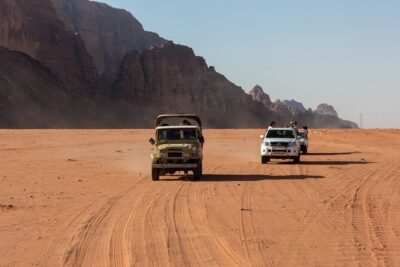
2 Day Tour to Petra and Wadi Rum from Tel Aviv
Read our review →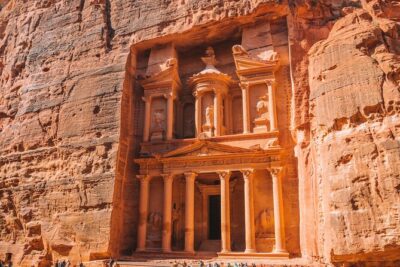
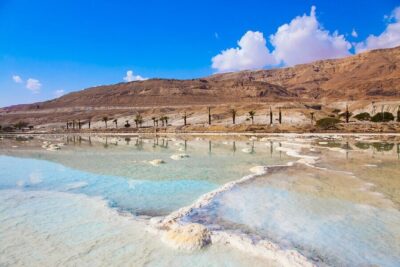
2-Day Best of Israel Tour from Tel Aviv: Jerusalem, Bethlehem and Masada Tour
Read our review →
Browse the lists this tour appears in