
Reviewed · HAIFA AND THE GALILEE TOURS
From Jerusalem: Caesarea, Haifa, Acre & Rosh Hanikra Tour
History meets the Mediterranean coast. This long day from Jerusalem links Roman ruins, a working port city, sea caves, and Crusader walls in one ambitious northbound trip. I especially like the wide range of sights and the included entrance fees, which save you from arranging several separate visits. The main drawback is the amount of time on the road, with an early 5:40 AM hotel pickup and a packed schedule.
I also like the cable-car ride into Rosh Hanikra and the chance to see Acre as a living city rather than a museum piece. Guide Omri earned especially warm praise for his work, while other feedback points to a possible weakness: commentary can be brief, and the price may feel high if you prefer slow visits at fewer places.
In This Review
- Key points to know before booking
- The long ride north from Jerusalem
- Caesarea, where Herod built a Roman port
- Haifa and the 19 terraces of the Baha’i Gardens
- Rosh Hanikra’s cable car and sea caves
- Acre, where the Crusader city is still alive
- How good is the guide service?
- Transport, walking, and the cost question
- Who should book this day?
- Should you book the Caesarea, Haifa, Acre and Rosh Hanikra tour?
- FAQ
- How long is the tour?
- Where does the tour depart from?
- What time does pickup begin?
- Which places does the tour visit?
- Is transportation included?
- Are entrance fees included?
- Is a guide included?
- Is the Rosh Hanikra cable car included?
- Is food included?
- What should I bring?
- Can I cancel the booking?
- Can I reserve now and pay later?
- Do foreign passport holders need to pay VAT?
Key points to know before booking
- Four major stops in one day: Caesarea, Haifa, Rosh Hanikra, and Acre give you a broad look at Israel’s Mediterranean coast.
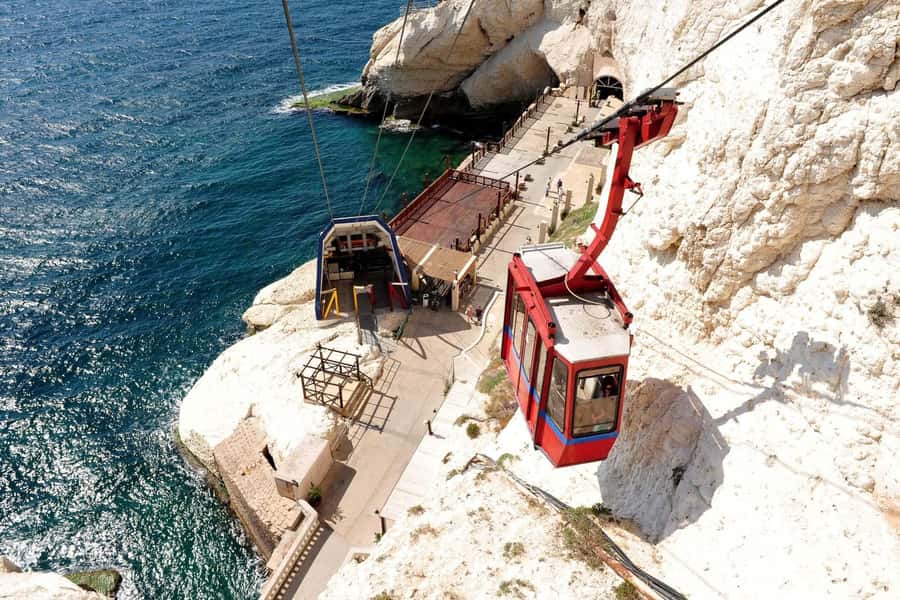
- Rosh Hanikra’s cable car is the visual highlight: You ride down to limestone grottoes shaped by constant waves.
- Caesarea combines archaeology with performance space: Its Roman amphitheater is still used for concerts and other events.
- Haifa’s Baha’i Gardens are seen from Mount Carmel: The 19 terraces descend toward the city in a carefully arranged series of gardens.
- Acre feels lived in: Ancient walls, markets, homes, and Crusader remains share the same compact old city.
- Expect a very early start: Pickup from Jerusalem’s main hotels begins at 5:40 AM, and comfortable shoes are essential.
The long ride north from Jerusalem
The day begins early, and there is no getting around it. Pickup from Jerusalem’s main hotels starts at 5:40 AM, so I would treat this as a full-day expedition rather than a relaxed outing. You travel by air-conditioned coach, first heading toward the Mediterranean coast and passing Herzliya and Netanya.
That early departure serves a practical purpose. Caesarea, Rosh Hanikra, and Acre are spread across the northern coast, while Jerusalem sits well to the southeast. Seeing all four places in one day means accepting a fair amount of road time. One French-language comment described the day as involving a lot of driving and found the explanations too short for the cost. That is a fair warning.
Still, the route gives you a useful sense of the country’s geography. You move from Jerusalem to the coastal plain, then continue north through modern seaside towns before reaching one of Israel’s most important ancient ports. The coach also gives you a break between walking stops, which matters by the afternoon.
The guide leads the tour in English. You should expect general explanations suited to a mixed group, not a private archaeology seminar. If a certain period interests you, keep a few questions ready. The best parts of this day come when you connect the remains in front of you with the ships, armies, merchants, and rulers who once used this coast.
More things to do in Jerusalem:
- From Tel Aviv: Jerusalem and Bethlehem Guided Day Trip
★ 4.3 · 1,316 reviews - Tel Aviv: Jerusalem, Bethlehem & Dead Sea
★ 4.0 · 881 reviews - From Tel Aviv: Jerusalem Old & New City Bus Tour
★ 4.2 · 824 reviews
Caesarea, where Herod built a Roman port
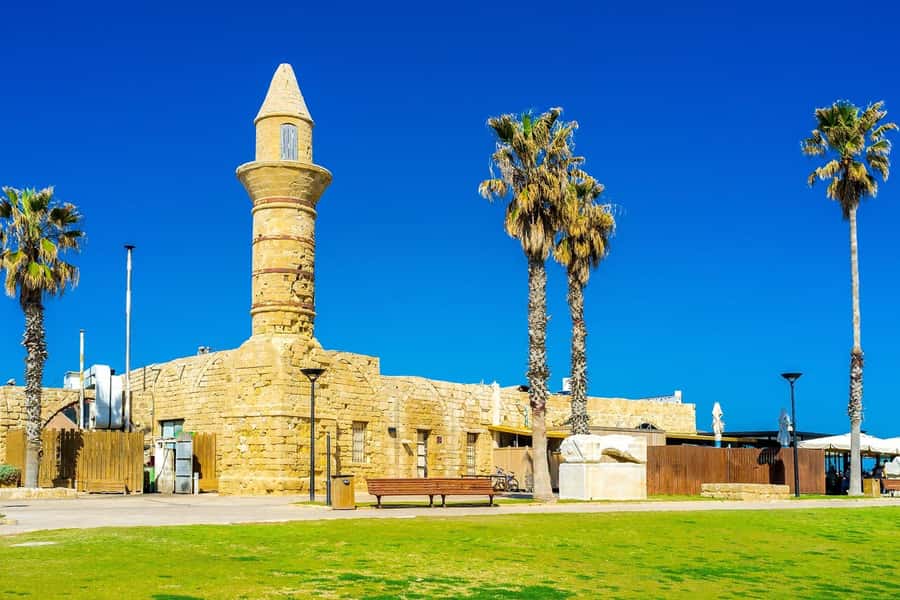
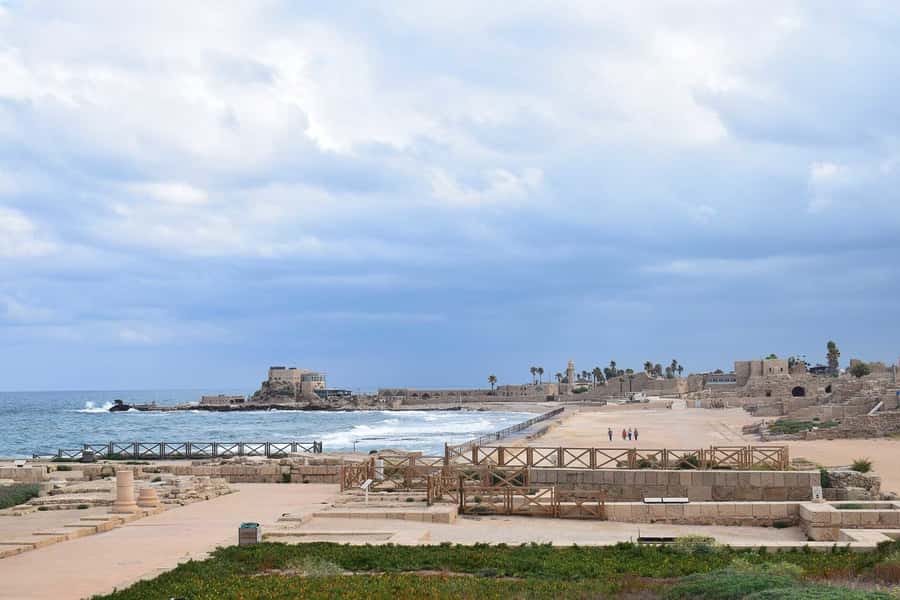
Caesarea is the first major stop, and it sets the tone for the day. Herod constructed the city and named it for Caesar, turning it into a major port linked to the Roman world. The ruins help you picture a city built for trade, power, and spectacle.
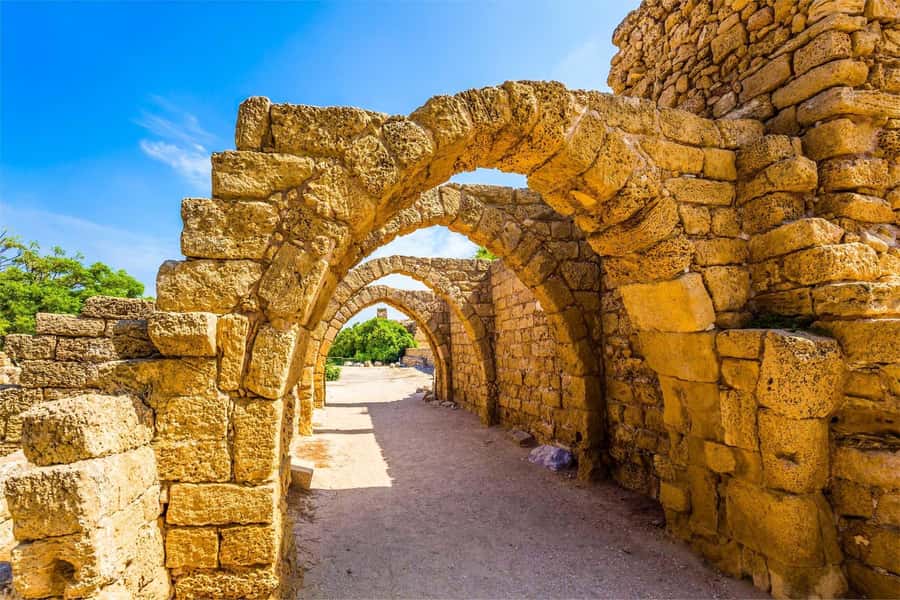
You see old gateways, a moat, walls, and surviving rooms among the archaeological remains. These pieces may look scattered at first, but the guide helps explain how they belonged to a planned coastal city. The port served commercial ships carrying goods from the East, as well as Nabatean caravans heading toward Rome.
The Roman amphitheater is the most immediately impressive structure. Its shape remains easy to read, and it is still used for performances by Israeli and international artists. That modern use gives the site a pleasing connection to the present. You are not looking at a ruin that has been sealed off from daily life. The same basic space still hosts crowds and performances.
Near the amphitheater are the remains of the Hippodrome and a Roman temple. The Hippodrome once held public events, while the temple reflected the city’s Roman identity and its relationship with imperial power. The guide’s job here is to help you imagine the buildings as part of a port filled with commerce, not as isolated stones.
Caesarea also offers a lesson in how quickly a powerful city can fade. After the Crusader period, the city fell into obscurity. That change from prosperous port to forgotten ruin is one of the more memorable themes of the stop.
The limitation is time. You will not have the freedom of a full archaeological day, and the amount of information depends on how much the guide covers during the visit. If ancient Roman sites are your main reason for booking, you may wish the schedule allowed longer here. For a first look, though, Caesarea gives you a strong opening chapter.
Haifa and the 19 terraces of the Baha’i Gardens

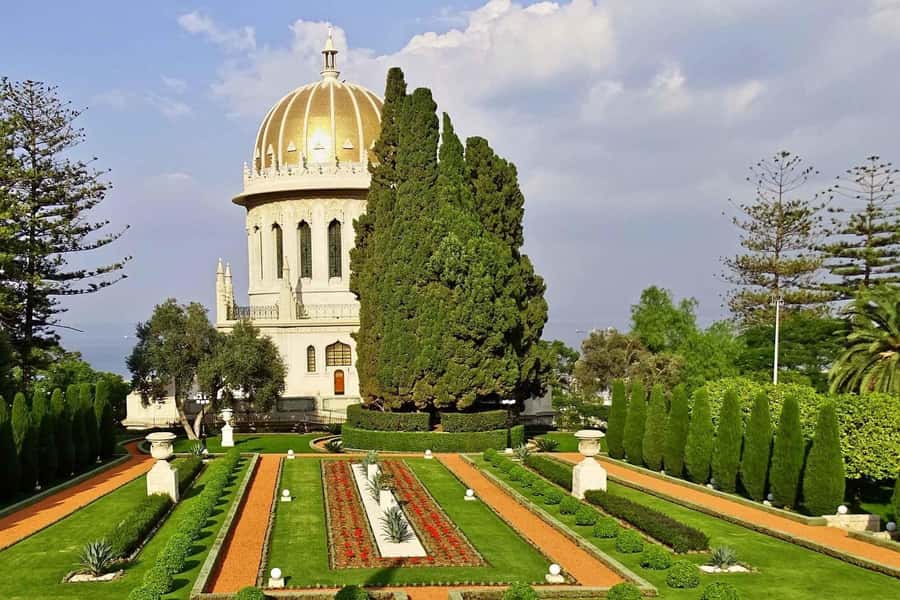
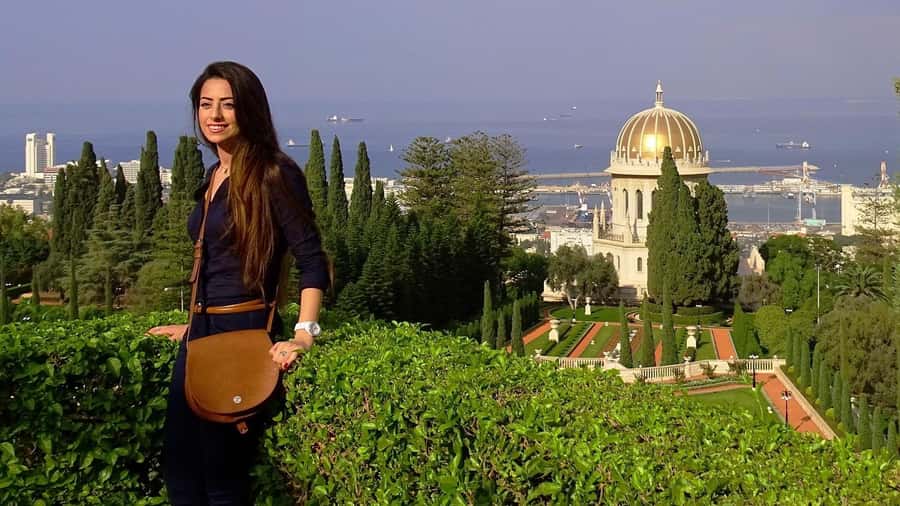
The next major view comes in Haifa, where you stop to see the Baha’i Shrine and Gardens on Mount Carmel. The gardens descend toward the city in 19 terraces, with flowers, clipped plantings, and geometric designs arranged down the slope.
This is a very different experience from Caesarea. Instead of broken walls and excavated rooms, you get order, symmetry, and a broad view over Haifa. I like the contrast. The Roman site asks you to reconstruct the past, while the gardens are immediately legible from the moment you see them.
The stop is focused on viewing the shrine and terraces. The supplied details do not promise a long guided walk through every level, so you should not assume that you will explore all 19 terraces on foot. Your time is better used for the viewpoint, photographs, and a short pause after the morning’s ruins.
Haifa is also one of the tour’s UNESCO World Heritage highlights. That designation gives the gardens added importance, but the view itself is the real appeal during a quick stop. The terraces draw your eye down the mountain toward the city and coast, making this one of the easiest places to appreciate Haifa’s setting.
The gardens are carefully maintained, so comfortable shoes still matter even if the stop is not a demanding hike. Bring water and keep your camera ready, but do not expect the same kind of free time you would have on a dedicated Haifa visit.
Rosh Hanikra’s cable car and sea caves

At Rosh Hanikra, the tour reaches the most unusual natural setting of the day. This is the northernmost point on Israel’s Mediterranean coast, where waves have cut limestone into a network of sea caves and grottoes.
The cable car takes you down toward the caves. The ride itself is part of the attraction, since you descend from the coastal level into the rock formations below. Inside, the sound and force of the sea explain the caves better than any long lecture could. The grottoes were created by the repeated impact of waves against the limestone.
I would call this the tour’s most memorable change of pace. Caesarea and Acre depend on history and architecture. Rosh Hanikra gives you rock, water, and a sense of the coast’s raw power. The word magical can be overused, but it fits the enclosed caves better than it fits most organized sightseeing stops.
The cable car also means this visit is accessible in a practical way for people who do not want a long coastal walk. You still need comfortable shoes, since the full visit involves moving through the cave area and around the attraction.
Time can feel short here. You may want to linger by the sea and study the rock formations, but the group must continue south to Acre. If this is your favorite stop, note its name and consider returning independently on another day. On this tour, you get a strong introduction rather than an unhurried visit.
More trips into the Galilee:
- From Jerusalem: Nazareth and Sea of Galilee Tour
★ 4.5 · 588 reviews - Nazareth and the Sea of Galilee Day Trip from Jerusalem
★ 4.5 · 446 reviews - Travel To Bethlehem, Jericho & Jordan River – Group Guided Tour from Jerusalem
★ 4.5 · 128 reviews - Caesarea, Haifa & Akko Day Trip from Jerusalem
★ 4.3 · 96 reviews
Acre, where the Crusader city is still alive
The final major stop is Acre, also called Akko, in Western Galilee. It is described as the country’s largest Crusader city, and its appeal comes from the way old and new occupy the same space.
You see walls and a moat repaired and rebuilt under El Jazzar. Those defenses help explain why Acre resisted Napoleon. The city was not simply a cluster of old buildings. It was a fortified stronghold designed to control access and withstand attack.
Inside the old city, markets and homes occupy ancient buildings. That is what makes Acre feel different from Caesarea. Caesarea is primarily an archaeological site, while Acre remains a place where people live and conduct ordinary business. You can look at old stonework and then encounter market life only a few steps away.
The tour also covers Crusader remains and a prison used during Turkish rule. The historical layers keep changing as you move through the city. By the end, you reach the British Mandate period and the gallows used to hang Jews who broke British laws limiting Jewish immigration to Palestine after World War II.
That final subject is heavy, and it should be. Acre is not only a picturesque old town. Its walls and rooms also hold difficult stories about imprisonment, political control, and the struggle over immigration. A good guide will help you place those events in time without reducing them to a quick photo stop.
Acre is probably the stop where a little extra free time would be most welcome. The old city includes markets, fortifications, and surviving architecture, and each area rewards a slower look. Still, seeing it as part of this coastal route is valuable, especially if you do not have another day available in northern Israel.
How good is the guide service?
The guide can make or break a day with this much driving. Positive feedback singled out Omri by name, calling the tour guide excellent. Another Dutch-language comment praised the guide for being kind and able to explain a great deal. Those details suggest that the human side of the trip can be a real strength.
At the same time, one assessment described the commentary as brief. That may reflect the guide on a particular departure, the size of the group, or the sheer pressure of covering four locations. You should book this tour expecting useful orientation and historical framing, not a long lecture at every monument.
I recommend listening closely during the first explanation at each stop, then asking direct questions. A short comment about the Hippodrome or Acre’s defenses can open up the site if you want more context. The guide also helps with the basic rhythm of the day, especially when the group must return to the coach on time.
Transport, walking, and the cost question
The air-conditioned coach is included, along with hotel pickup and drop-off from Jerusalem’s main hotels. That is important because arranging transport to Caesarea, Haifa, Rosh Hanikra, and Acre independently would take planning and would likely require several connections or a private vehicle.
All entrance fees are included. The cable car at Rosh Hanikra is therefore part of the package rather than an extra surprise at the site. Food and drinks are not included, so bring money for meals and snacks, or pack something suitable for the long day.
No price is provided in the supplied details, so I cannot judge the exact cost in shekels. Value depends on what you want. If you want to see all four places from Jerusalem in one day, the transport, guide, admissions, and hotel pickup make the package practical. If you prefer to spend half a day at one archaeological site, the amount of driving may make the price feel steep.
The physical demands are moderate but spread across many hours. Wear comfortable shoes, as you will walk around ruins, gardens, walls, and the old city. The tour data does not describe a specific accessibility arrangement, so you should confirm any mobility needs before booking.
The cancellation policy is flexible: you can cancel up to 24 hours before departure for a full refund. You can also reserve now and pay later, which helps if your Jerusalem plans may change.
Who should book this day?

I would recommend the tour to you if you have limited time in Israel and want a broad coastal sampler. It is especially useful if you want ancient Roman remains, Baha’i architecture, natural caves, and Crusader history without changing hotels or organizing several day trips.
It also suits first-time visitors who value a guide’s structure. The route has many historical layers, and the coach handles the difficult distances. The included admissions remove some of the small decisions that can slow down an independent day.
I would hesitate if you dislike early mornings, long coach rides, or fixed schedules. The trip covers a lot of ground, and none of the stops receives the time it would get on a single-site excursion. You should also think twice if detailed scholarly commentary is your main goal, since the quality and length of explanations may vary.
The published score is 4.2 out of 5 from 25 ratings. That fits the experience as described: strong scenery, an appealing mix of sites, and generally well-liked guiding, balanced by a demanding route and concerns about cost or short explanations.
Should you book the Caesarea, Haifa, Acre and Rosh Hanikra tour?
Book it if your priority is coverage. In one day, you see Herod’s Roman port, Haifa’s terraced Baha’i Gardens, Rosh Hanikra’s wave-cut caves, and Acre’s Crusader fortifications. Few day trips from Jerusalem offer such a varied run of coastal sights.
Skip it if you want a slow, thoughtful visit to each location. The early pickup and long road sections are the price of fitting northern Israel into one day. For most people with only a short stay, I think the tradeoff is fair, especially with transport, admissions, and a professional English-speaking guide included.
FAQ
How long is the tour?
The tour lasts one full day.
Where does the tour depart from?
Pickup is included from Jerusalem’s main hotels.
What time does pickup begin?
Pickup begins at 5:40 AM.
Which places does the tour visit?
The tour visits Caesarea, Haifa, Rosh Hanikra, and Acre, also called Akko.
Is transportation included?
Yes. Transportation is provided by air-conditioned coach, with hotel pickup and drop-off from Jerusalem.
Are entrance fees included?
Yes. All entrance fees are included.
Is a guide included?
Yes. A professional live guide provides the tour in English.
Is the Rosh Hanikra cable car included?
The tour includes the Rosh Hanikra visit and all entrance fees, which covers the attraction’s included admission.
Is food included?
No. Food and drinks are not included.
What should I bring?
Bring comfortable shoes. You should also plan for the long day and arrange your own food and drinks.
Can I cancel the booking?
Yes. Cancellation up to 24 hours in advance qualifies for a full refund.
Can I reserve now and pay later?
Yes. The booking option allows you to reserve your place and pay later.
Do foreign passport holders need to pay VAT?
Holders of diplomatic or foreign passports and three-month entry permits are exempt from VAT under Israeli law, but valid passport details are required.
Just added in Jerusalem
- Walking Jerusalem in Russian★ 5.0 · 1 review
- private Full-Day Tour to Bethlehem and Jerusalem★ 5.0 · 2 reviews
- Jerusalem and Dead Sea Trip from Tel Aviv★ 4.0 · 6 reviews
- Tel Aviv & Old City of Jaffa – Tiny group from Tel Aviv★ 4.5 · 9 reviews
- Tel Aviv; Jaffa Old City, Port & Shuk Hapishpishim Walking Tour★ 4.5 · 11 reviews
- Tel Aviv: Food & History Tour of Jaffa Old City & Flea Market★ 5.0 · 1 review
- Discover the Secrets of the Underground Jerusalem with a private tour★ 5.0 · 4 reviews
- Private Tour from Tel Aviv to Jerusalem★ 5.0 · 3 reviews
Haifa and the Galilee Tours, compared.
Nazareth and the Sea of Galilee Day Trip from Tel Aviv
Read our review →
Nazareth and the Sea of Galilee Day Trip from Jerusalem
Read our review →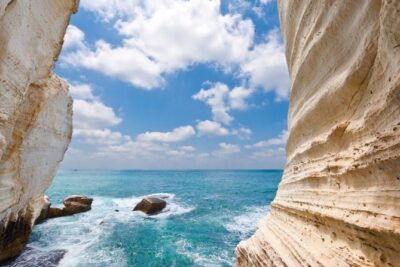
Caesarea, Rosh Hanikra and Acre Day Trip from Tel Aviv
Read our review →
Travel To Bethlehem, Jericho & Jordan River – Group Guided Tour from Jerusalem
Read our review →
Haifa Shore Excursion: Nazareth and the Galilee – for cruise ship guests only
Read our review →Browse the lists this tour appears in