
Reviewed · BETHLEHEM AND THE WEST BANK TOURS
Jerusalem and Bethlehem Tour from Jerusalem
Faith comes alive here. This full-day Jerusalem and Bethlehem tour packs major Christian and Jewish sites into roughly eight hours, from the Mount of Olives to the Church of the Nativity. I like the way it combines sweeping views, Old City walking, and a visit across the Bethlehem border rather than limiting you to one city.
I also like the practical setup: hotel pickup and drop-off, a professional Jerusalem guide, and a local guide for the Bethlehem portion. Guides named in the feedback, including Rami, Ruth, Yuri, and Hilik Levite, earned especially warm praise for keeping groups organized and explaining the sites clearly.
The main catch is the pace. The Old City includes about two and a half hours on foot over uneven cobbles and flagstones, while the Bethlehem border and queues can eat into your schedule. Lunch is another weak point, with uneven reports about both food and service.
In This Review
- Key points before you book
- What you get for $118
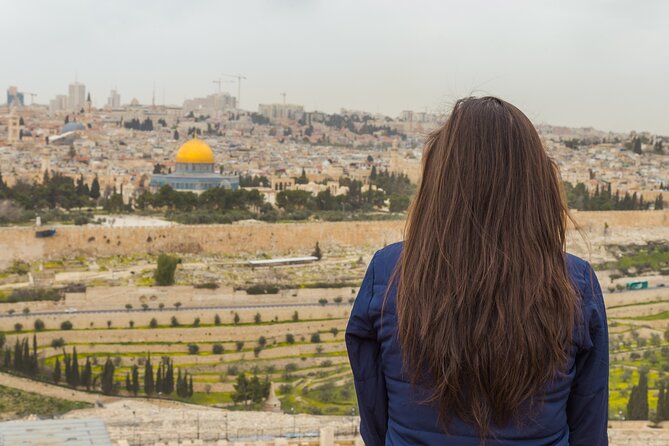
- Starting above Jerusalem on the Mount of Olives
- Mount Zion, King David, and the Last Supper
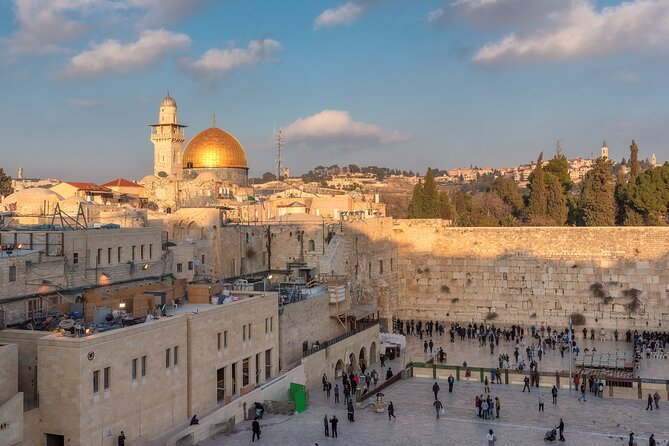
- The Western Wall in a brief, focused stop
- Walking the Old City toward the Church of the Holy Sepulchre
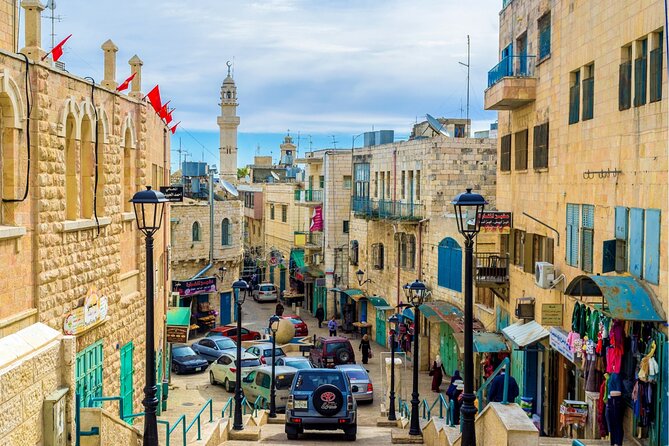
- Crossing into Bethlehem
- Bethlehem’s shepherds’ field and manger square
- Guides make or break this schedule
- Lunch is the least reliable part
- Walking, group size, and comfort
- Who should book this Jerusalem and Bethlehem tour?
- Should you book it?
- FAQ
- How long does the Jerusalem and Bethlehem tour last?
- Is hotel pickup included?
- What is included in the price?
- Are food and drinks included?
- Do I need my passport?
- Will I need to change vehicles?
- Is there walking during the border crossing?
- What languages are available?
- Is the tour suitable for people with limited mobility?
Key points before you book
- Mount of Olives views: Begin with one of Jerusalem’s finest outlooks toward the Old City and its sacred hills.
- Major Christian pilgrimage sites: Visit the Via Dolorosa area and the Church of the Holy Sepulchre, then continue to Bethlehem’s Church of the Nativity.
- Jewish landmarks included: See the Western Wall, King David’s Tomb, and Mount Zion in the same day.
- Two-guide format: A Jerusalem guide leads the city visit, while a local guide handles the Bethlehem portion.
- Border crossing matters: Bring your passport, expect possible vehicle changes, and be ready for a short walking section without your vehicle.
- Walking and timing: Comfortable shoes, water, and realistic expectations are essential, especially if you have limited mobility.
What you get for $118
At $118 per person, this is not the cheapest way to see Jerusalem. It can still be good value if you want transportation, a structured day, and help making sense of places that are difficult to connect on your own.
The price includes hotel pickup and return, a professional guide, and a local guide in Bethlehem. Admission is free at several outdoor or religious sites, while entry to the Church of the Holy Sepulchre is included. Food and drinks are not included.
The value comes from the number of places covered in one day. You see the Western Wall, Mount of Olives, Mount Zion, the Old City, and Bethlehem without arranging separate transport. You also avoid having to work out the border crossing alone.
That convenience comes with tradeoffs. A day this full leaves little room for wandering, a long café stop, or extra time at a single church. The advertised maximum is 54 people, although one group described having 11 people in a spacious minibus. Your actual vehicle and group size may vary, so I would not assume every departure will feel intimate.
More Bethlehem and West Bank tours:
- From Tel Aviv: Jerusalem and Bethlehem Guided Day Trip
★ 4.3 · 1,316 reviews - Tel Aviv: Jerusalem, Bethlehem & Dead Sea
★ 4.0 · 881 reviews - Day Tour to Jerusalem and Bethlehem from Tel Aviv
★ 4.5 · 720 reviews
Starting above Jerusalem on the Mount of Olives
The Mount of Olives gives you an early visual introduction to Jerusalem. It is a major biblical site associated with both the Old and New Testaments, and today it is also a cemetery and sacred place.
The stop lasts about 20 minutes. That is enough for orientation, photographs, and a first explanation of the Old City below, but not enough for a long visit. I consider this one of the most useful stops because the view helps you understand the city’s layout before you enter its narrow streets.
Bring water even if the morning feels mild. The day later involves slopes, steps, and rough paving, and the exposed viewpoint can feel tiring in warm weather.
Mount Zion, King David, and the Last Supper
Mount Zion brings together several important sites in a compact area. The listed visit includes Dormition Abbey and King David’s Tomb, while the tour overview also includes the traditional site of the Last Supper.
Dormition Abbey is known for its size, attractive design, and position overlooking the Old City. The stop is scheduled for about 15 minutes, so expect a quick visit rather than a long period for quiet reflection.
King David’s Tomb is one of Judaism’s most sacred destinations. The biblical account places David’s burial in the City of David, but the site visited here is the traditional tomb location on Mount Zion. That distinction is worth asking your guide about, since Jerusalem often presents several layers of religious tradition in the same small space.
The Last Supper site adds Christian significance to the Mount Zion visit. Together, these stops give you a useful contrast between Jewish and Christian traditions before the tour moves into the Old City.
The Western Wall in a brief, focused stop
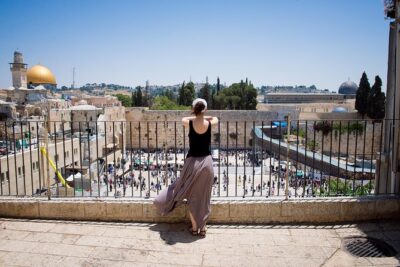
The Western Wall is a remnant of the retaining wall associated with the Second Temple period and one of the holiest Jewish sites. The stop is scheduled for about 20 minutes, with no admission charge.
You will have time to see the prayer area and observe folded prayers placed between the stones. The visit is short, so do not expect a detailed exploration of the surrounding Jewish Quarter.
Dress and behave respectfully at this sacred site. Your guide should explain the appropriate arrangements, but you should still be prepared for a religious setting rather than treating the wall as a simple photo stop.
The short timing is understandable in a packed day. Still, if the wall is a personal priority, you may wish you had longer to sit, watch, and absorb the scene.
More things to do in Jerusalem:
- From Tel Aviv: Jerusalem Old & New City Bus Tour
★ 4.2 · 824 reviews - From Jerusalem: Masada & Dead Sea Full Day Tour with Pick Up
★ 4.5 · 815 reviews - Masada and the Dead Sea Day Trip from Jerusalem
★ 4.5 · 757 reviews - From Jerusalem: Nazareth and Sea of Galilee Tour
★ 4.5 · 588 reviews
Walking the Old City toward the Church of the Holy Sepulchre
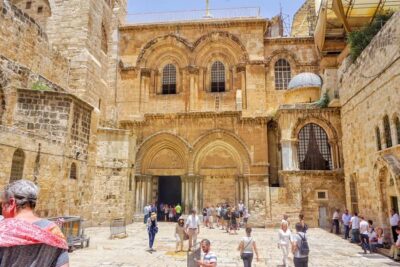
The Old City portion is the physical heart of the tour. You follow sections of the Via Dolorosa, the route associated with Jesus’ path to crucifixion, and finish at the Church of the Holy Sepulchre.
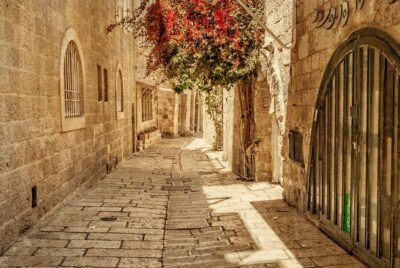
This is where you need to prepare properly. The walk can last around two and a half hours, with uneven cobbles, flagstones, enclosed streets, and repeated uphill and downhill sections. I would wear firm walking shoes and carry water. There may be no convenient coffee break during this stretch.
The Church of the Holy Sepulchre is revered as the site of Golgotha, where Jesus was crucified, and as the place of his burial and resurrection. It has endured destruction, fire, earthquakes, neglect, and rebuilding. Today, Greek Orthodox, Armenian Apostolic, and Roman Catholic custodians oversee different sections of the church.
That shared responsibility is part of what makes the visit so interesting, but it can also make the church feel crowded, complex, and difficult to understand without guidance. Thirty minutes is a useful introduction, though queues can reduce the time available inside. Several people praised guides who kept the group together and explained the setting without rushing. Others found that lines in Bethlehem forced the schedule to tighten.
The most useful approach is to treat this as a guided orientation, not a private pilgrimage with unlimited time. You will see the key places, learn how the traditions fit together, and gain a framework for returning independently if you have another day.
Crossing into Bethlehem
Bethlehem is in the Palestinian territories, and the border crossing is a practical part of the experience. Passports are required. Regulations set by the Palestinian Authority can affect the route, and the crossing may include a short unaccompanied walk.
You may also need to change vehicles after entering Palestinian-controlled territory. This is not necessarily a problem, but it can interrupt the rhythm of the day. Stay close to the instructions from your guide and keep your passport accessible.
The tour uses a local guide for the Bethlehem portion. That is a sensible arrangement because the local guide can explain the sites and manage the handover after the crossing. Some participants particularly liked having a guide on each side and felt more comfortable with the organized transfer.
Allow some patience here. Crossing times are not fully predictable, and a long wait can reduce time at later stops. This is one reason the tour sometimes feels compressed despite its eight-hour schedule.
Bethlehem’s shepherds’ field and manger square
The Bethlehem portion focuses on Christian landmarks associated with the birth of Jesus. The program refers to an ancient shepherds’ field, manger square, and the Church of the Nativity.
Set your expectations carefully about the shepherds’ field. The experience may amount to a distant view rather than a close visit. One direct complaint described seeing the area from roughly 10 miles away, which is a significant difference from walking through an actual field. If this stop matters greatly to you, ask the guide at the start of the Bethlehem section exactly what access is planned that day.
Manger Square provides the public setting around Bethlehem’s central Christian sites. It is a useful place to understand how the city’s religious identity is organized, but time may be limited if the border crossing or church queue runs long.
The Church of the Nativity is the emotional center of the Bethlehem visit. It is a fourth-century church built over the traditional birthplace of Jesus. The site can be deeply meaningful, but access to the most important areas may depend on lines and crowd levels. Some participants reached the church but had less time than hoped because of queues.
That is the central Bethlehem tradeoff: the tour gives you the chance to reach an important place in a single day, but you cannot control border delays or waiting times. For many people, the chance to see the church is worth the uncertainty. If you want a slow, prayerful visit, a dedicated Bethlehem day would give you more breathing room.
Guides make or break this schedule
The strongest part of this experience is the guiding. A good guide turns a fast list of stops into a coherent story and helps you understand why each place matters.
Rami was praised for keeping a small group moving while giving clear explanations. Ruth was described as inspiring and well prepared, with enough time for questions and photographs. Yuri was noted for his patience and friendly manner during a seven to eight-hour day. Hilik Levite was singled out by name more than once.
Those details matter because the tour covers sensitive religious and political ground. You want historical context, not arguments. One negative experience involved a guide getting drawn into a political dispute with a participant instead of keeping the discussion educational. That is a fair warning: guide quality can vary, and a strong personality is not always the same as a good teaching style.
The tour operates bilingually. English departures run daily, Spanish is available Sunday, Tuesday, and Friday, French Monday, Thursday, and Saturday, and German on Wednesday. Confirm the language before booking, especially if you need more than basic English.
Lunch is the least reliable part
Food and drinks are not included in the advertised price, but the day may include an organized lunch stop. This is where expectations should stay modest.
One direct account described mediocre food, poor service, and a feeling of being pushed into a restaurant. Another praised lunch at Rachel’s Kibbutz as excellent and good value. That contrast suggests the meal arrangement can vary by departure or personal expectation.
I would not book this tour for its lunch. Carry water and a small snack if permitted, and treat any included stop as a practical break rather than a major culinary event. If you prefer to choose your own food, ask how much free time is available before the day begins.
Walking, group size, and comfort
A moderate level of physical fitness is needed. The biggest demand is the Old City walk, with uneven paving and frequent changes in elevation. Religious sites may also involve standing in lines and moving through tight spaces.
Service animals are allowed, with the stated condition that a person with a disability must have a companion. The tour is near public transportation, but pickup and drop-off are included, which is more useful than having to reach a central meeting point.
The maximum group size is 54, though some departures may be much smaller. A group of 11 in a spacious minibus was described as especially comfortable. A smaller group usually makes it easier to hear the guide, ask questions, and stay together in the Old City.
If you have limited mobility, I would think carefully before booking. The tour does not offer a low-walking version, and the Old City section cannot simply be replaced by a vehicle ride.
Who should book this Jerusalem and Bethlehem tour?
I would choose this tour if you have one full day and want an organized introduction to the two cities. It is particularly useful for first-time visitors who want the major religious sites explained rather than simply photographed.
It also suits you if you value hotel pickup, do not want to arrange the border crossing yourself, and accept that the day will be busy. The guides can add real value, especially when explaining the different traditions connected with the same church or tomb.
I would look elsewhere if you want long visits, independent exploration, or a carefully planned food experience. A dedicated Jerusalem day and a separate Bethlehem day would allow more time inside the churches and less pressure from queues.
The cancellation terms are reasonable: you can receive a full refund if you cancel at least 24 hours before the start time. Changes or cancellations made later are not accepted for a refund.
Should you book it?
Book this tour if seeing Jerusalem and Bethlehem in one day matters more to you than moving slowly. At $118, the combination of transport, guiding, border assistance, and major sites makes reasonable sense, especially for a first visit.
Go in prepared for a long walk, a possible vehicle change, passport checks, and an uncertain lunch. Keep your expectations realistic about the shepherds’ field and the time inside the Church of the Nativity.
My strongest advice is simple: wear serious walking shoes, carry water, and confirm the departure language and pickup details. If you get a guide such as Rami, Ruth, Yuri, or Hilik Levite, the day may feel remarkably well organized. If the group reaches 54 people or border delays run long, the same itinerary may feel much tighter.
FAQ
How long does the Jerusalem and Bethlehem tour last?
The tour lasts approximately eight hours and begins at 9:00 am.
Is hotel pickup included?
Yes. Hotel pickup and drop-off are included.
What is included in the price?
The price includes hotel transportation, a professional guide, and a local guide for the Bethlehem portion. Admission to the Church of the Holy Sepulchre is included.
Are food and drinks included?
No. Food and drinks are not included. Lunch arrangements may be part of the day, but the meal itself is not included in the listed price.
Do I need my passport?
Yes. Passports are required because the tour crosses into Bethlehem.
Will I need to change vehicles?
Possibly. A vehicle change may be required after entering Palestinian-controlled territory.
Is there walking during the border crossing?
There may be a short unaccompanied walking portion at the border.
What languages are available?
The tour is bilingual. English is available daily, Spanish on Sunday, Tuesday, and Friday, French on Monday, Thursday, and Saturday, and German on Wednesday.
Is the tour suitable for people with limited mobility?
The tour requires moderate physical fitness. The Old City section includes around two and a half hours of walking over uneven cobbles and flagstones, so it may be difficult for people with limited mobility.
Just added in Jerusalem
- Walking Jerusalem in Russian★ 5.0 · 1 review
- private Full-Day Tour to Bethlehem and Jerusalem★ 5.0 · 2 reviews
- Jerusalem and Dead Sea Trip from Tel Aviv★ 4.0 · 6 reviews
- Tel Aviv & Old City of Jaffa – Tiny group from Tel Aviv★ 4.5 · 9 reviews
- Tel Aviv; Jaffa Old City, Port & Shuk Hapishpishim Walking Tour★ 4.5 · 11 reviews
- Tel Aviv: Food & History Tour of Jaffa Old City & Flea Market★ 5.0 · 1 review
- Discover the Secrets of the Underground Jerusalem with a private tour★ 5.0 · 4 reviews
- Private Tour from Tel Aviv to Jerusalem★ 5.0 · 3 reviews
Bethlehem and the West Bank Tours, compared.
Day Tour to Jerusalem and Bethlehem from Tel Aviv
Read our review →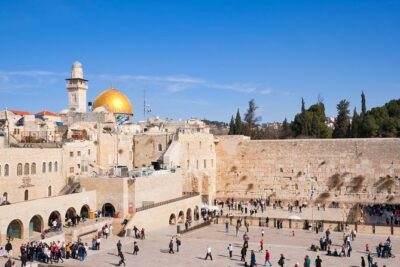
Jerusalem, Dead Sea, and Bethlehem from Tel Aviv
Read our review →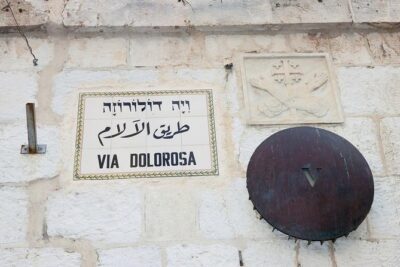
Jerusalem and Bethlehem Day Tour from Jerusalem
Read our review →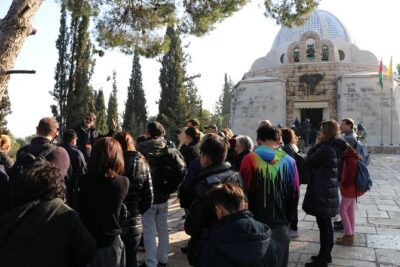
Travel to Bethlehem Half Day Guided Tour from Jerusalem & TelAviv
Read our review →
Ashdod Shore Excursion: Jerusalem and Bethlehem – for cruise ship guests only
Read our review →Browse the lists this tour appears in