
Reviewed · BETHLEHEM AND THE WEST BANK TOURS
Jerusalem and Bethlehem Tour
Sacred places fill a single busy day. This 6 to 7 hour tour links Jerusalem’s most important Christian and Jewish landmarks with Bethlehem, the birthplace of Jesus, using an air-conditioned vehicle and a group capped at 15 people. I like the guaranteed departure, which removes a major planning worry, and I like the sensible route from Mount Scopus through the Old City before continuing to Bethlehem.
The $160 price is fair if you want transportation, a guide, taxes, and two major destinations handled in one day. I also appreciate the hotel pickup option and return service, though the listed meeting point is the David Citadel Hotel at 7 King David Street, so you should confirm the exact pickup arrangement before setting out.
The main drawback is the pace. Jerusalem alone could fill several days, yet this tour gives it about four hours before Bethlehem takes another three. You will see the key sites, but you should expect an overview rather than long, quiet visits at every church and quarter.
In This Review
- Key points to know before booking
- What the $160 price gives you
- Mount Scopus gives you the right opening view
- The Garden of Gethsemane and Kidron Valley
- The Jewish Quarter and Byzantine Cardo
- The Western Wall and the Old City’s living faith
- Walking the Via Dolorosa
- The Church of the Holy Sepulchre
- The drive to Bethlehem and Manger Square
- The Basilica of the Nativity and Grotto
- Saint Catherine’s chapel caves, if access allows
- A small group, but still a fast schedule
- Pickup, timing, and the return ride
- Service and communication
- Who should book this Jerusalem and Bethlehem tour?
- Should you book it?
- FAQ
- What is the price of the Jerusalem and Bethlehem Tour?
- How long does the tour last?
- Where does the tour start?
- What sites are visited in Jerusalem?
- What is included in the Bethlehem visit?
- Is cancellation free?
Key points to know before booking
- Mount Scopus begins the day with a panoramic view of Jerusalem, a useful way to understand the city before walking through its Old City.
- The route includes the Western Wall, Via Dolorosa, and Church of the Holy Sepulchre, three of Jerusalem’s most important religious sites.
- Bethlehem centers on Manger Square and the Basilica of the Nativity, including the Grotto of the Nativity and a 4th-century mosaic.
- The group is limited to 15 people, giving the outing a more personal scale than a large coach tour.
- WiFi and an air-conditioned vehicle are included, useful during a full morning and afternoon of sightseeing.
- Free cancellation is available up to 24 hours before departure, but late cancellations are not refunded.
What the $160 price gives you
At $160 per person, this is not the cheapest way to see Jerusalem and Bethlehem. It is not trying to be. The value comes from combining transport, guiding, taxes, and a guaranteed departure into one organized day.
That matters because these are two places where independent planning can take time. You need to think about the order of sites, transport between Jerusalem and Bethlehem, and how to fit the major religious landmarks into one outing. This tour takes that work off your plate.
The air-conditioned vehicle is another practical plus. The day lasts around six to seven hours, with roughly four hours in Jerusalem and three in Bethlehem. Having a cool, dedicated ride between sections of the tour is more comfortable than piecing together separate transport.
WiFi on board is included as well. That will not change the meaning of the Western Wall or the Church of the Holy Sepulchre, but it can help you stay in touch, check information, or manage the rest of your day.
Lunch is not included, and neither are tips for the guide and driver. Health insurance is also excluded. The listing also says personal experience is not included, which appears to refer to personal expenses or additions outside the planned tour. I would budget for lunch and gratuities separately so the advertised price does not become your final cost by surprise.
More Bethlehem and West Bank tours:
- From Tel Aviv: Jerusalem and Bethlehem Guided Day Trip
★ 4.3 · 1,316 reviews - Tel Aviv: Jerusalem, Bethlehem & Dead Sea
★ 4.0 · 881 reviews - Day Tour to Jerusalem and Bethlehem from Tel Aviv
★ 4.5 · 720 reviews
Mount Scopus gives you the right opening view
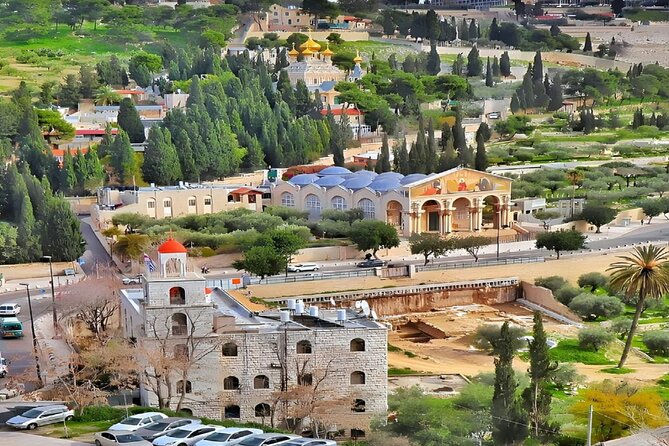
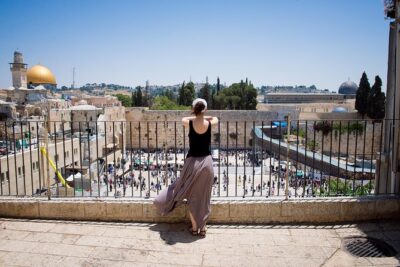
The tour starts at Mount Scopus with a panoramic view of Jerusalem. This is a smart first stop because Jerusalem can feel confusing when you first enter it. From above, you get a broad sense of the Old City and its setting before you move into streets and courtyards.
I like this kind of opening because it gives the rest of the day a visual frame. After the high view, the route moves toward places tied to the final days of Jesus, including the Garden of Gethsemane, the Church of All Nations, and the Kidron Valley.
The stop is described as a view rather than a long visit, so do not expect a full morning on Mount Scopus. Think of it as a short orientation and photo opportunity before the tour turns toward the Old City.
The Garden of Gethsemane and Kidron Valley
The drive or passage through the Garden of Gethsemane, the Church of All Nations, and the Kidron Valley connects several Christian sites in a short stretch. These places matter because they form part of the setting associated with Jesus before the crucifixion.
The Church of All Nations is also known as the Basilica of the Agony, but the supplied tour details do not promise a long interior visit. Your time here may depend on the day’s schedule and access at each site.
The Kidron Valley adds physical context. Rather than seeing each church as an isolated stop, you begin to understand how the approach to Jerusalem’s Old City works. The route then takes you inside the historic center, where the walking becomes more important than the driving.
The Jewish Quarter and Byzantine Cardo
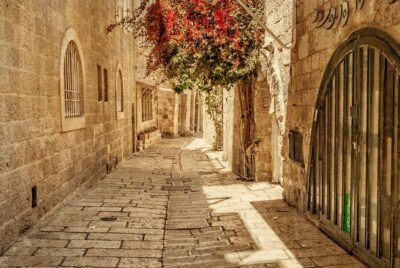
Inside the Old City, the tour visits the Jewish Quarter and the Byzantine Cardo. The Cardo was a major street in the Byzantine-era city, and its excavated remains give you a glimpse of Jerusalem beneath and around its modern streets.
This is a good counterweight to the Christian focus of the day. Jerusalem is sacred to several faiths, and the Jewish Quarter helps make the tour feel broader than a simple procession of Christian churches.
The Cardo is not presented as a full archaeological visit, so the time here is likely limited. Still, it is a useful stop for seeing how the Old City layers different periods in one compact area. You will move from ancient street remains to one of Judaism’s most important places, the Western Wall.
More things to do in Jerusalem:
- From Tel Aviv: Jerusalem Old & New City Bus Tour
★ 4.2 · 824 reviews - From Jerusalem: Masada & Dead Sea Full Day Tour with Pick Up
★ 4.5 · 815 reviews - Masada and the Dead Sea Day Trip from Jerusalem
★ 4.5 · 757 reviews - From Jerusalem: Nazareth and Sea of Galilee Tour
★ 4.5 · 588 reviews
The Western Wall and the Old City’s living faith
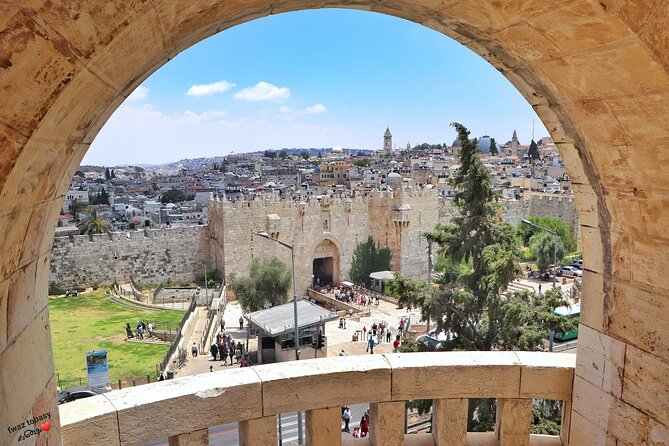
The Western Wall is one of the day’s central stops. It is a place of prayer and reflection, not simply a monument to photograph. The tour places it after the Jewish Quarter and Cardo, which gives you some context before arriving.
You should approach this stop with respect and allow room for the fact that it remains an active religious site. The tour data does not specify a dress code or exact visit procedure, so it is sensible to dress modestly and follow on-site instructions.
The Old City portion combines walking, religious meaning, and architecture. You are not just ticking off sights. You are moving through places that remain important to people today, which can make the schedule feel full even when individual stops are short.
Walking the Via Dolorosa
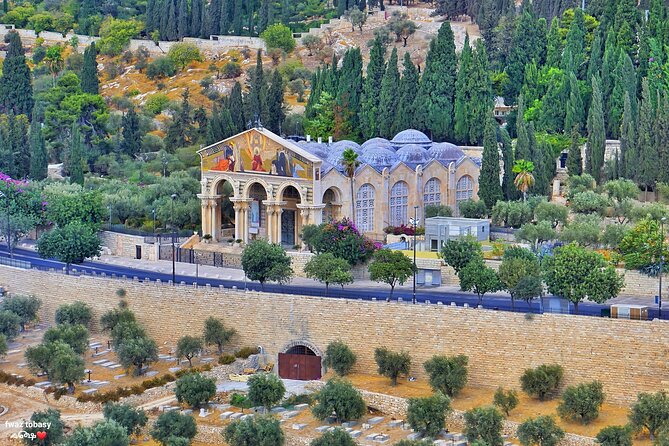
The tour follows the Via Dolorosa, the route traditionally associated with Jesus carrying the cross. This is one of the most recognizable paths in Jerusalem, but it is also a working route through the Old City rather than a quiet museum corridor.
That distinction matters. You may encounter narrow streets, other people, shops, and ordinary city life along the way. The religious meaning is strong, but the setting is not staged for visitors.
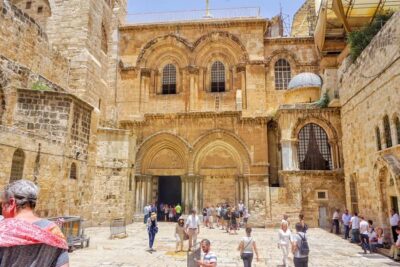
The route leads to the Church of the Holy Sepulchre. If your main reason for booking is Christian pilgrimage, this section will likely be the emotional center of the Jerusalem visit.
The Church of the Holy Sepulchre
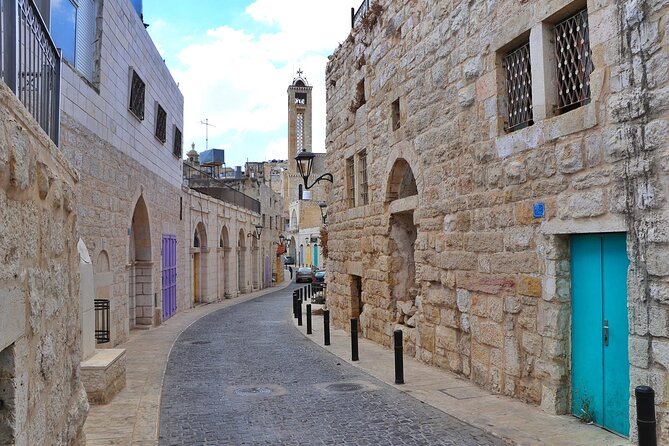
The Church of the Holy Sepulchre contains the site identified with Calvary, the place of the crucifixion, and the tomb associated with Christ’s burial. The building is shared by several Christian traditions and is one of the most significant religious sites in the world.
The tour describes the church as a 12th-century building. You should allow yourself a moment to take in the weight of the place, even if the schedule does not permit a long pause at every chapel.
This is also where the day’s limited time becomes clear. Jerusalem’s religious sites can reward careful attention, yet the tour must continue to Bethlehem. If you want extended prayer, detailed architectural study, or a slower pilgrimage, a dedicated Jerusalem tour would suit you better.
For a first visit, though, the route covers the essential Christian landmarks in a logical order. You get the major setting, the main route, and the key church without having to arrange each segment yourself.
The drive to Bethlehem and Manger Square
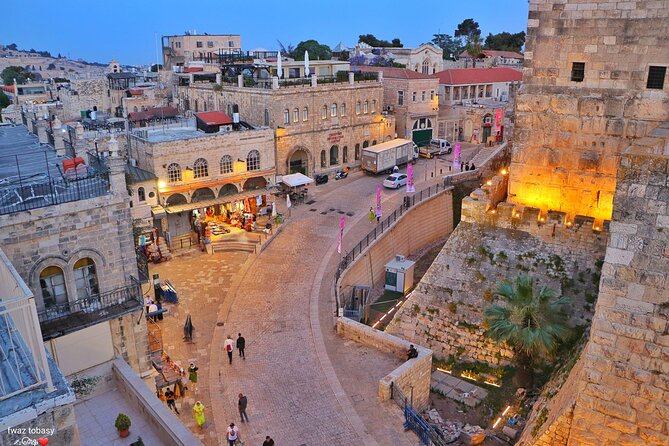
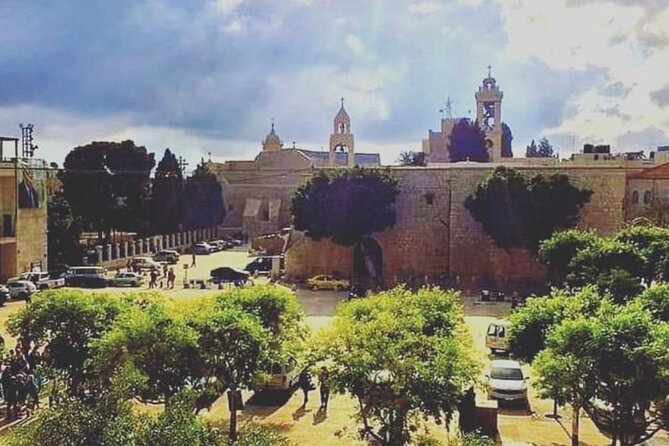
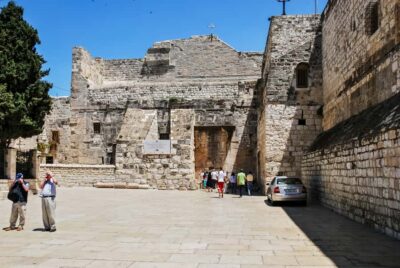
After Jerusalem, the tour continues to Bethlehem. The town is presented as the birthplace of Jesus, and the visit centers on Manger Square and the Basilica of the Nativity.
The change from Jerusalem to Bethlehem gives the day a clear second chapter. Jerusalem focuses on the final days of Jesus, while Bethlehem focuses on his birth. That structure makes the combined tour easy to follow, even though both destinations contain far more than you can see in one day.
Manger Square serves as the arrival point for the Bethlehem visit. From there, the main focus is the Basilica of the Nativity. The schedule allows about three hours in Bethlehem, which gives this section enough time to feel like more than a quick photo stop.
The Basilica of the Nativity and Grotto
The Basilica of the Nativity holds the Grotto of the Nativity, the place associated with Jesus’ birth. For many visitors, this is the reason to include Bethlehem rather than staying in Jerusalem.
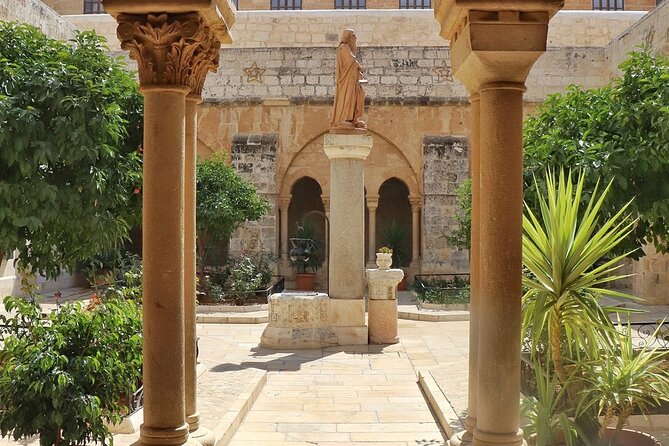
The tour also includes the original excavated mosaic from the 4th century, dating to the first church built by Saint Helena. That detail gives the basilica more depth than a simple modern church visit. You can connect the present building with the earliest Christian structures at the site.
The exact pace inside the basilica may vary. The tour says you will visit the grotto and see the mosaic, but it does not promise a set amount of private or uninterrupted time. If the site is busy, you may need patience.
The Basilica of the Nativity is a place where the building, the archaeology, and the religious tradition all overlap. I like that the tour includes the early mosaic because it gives you something tangible to look for, not just a famous name on the itinerary.
Saint Catherine’s chapel caves, if access allows
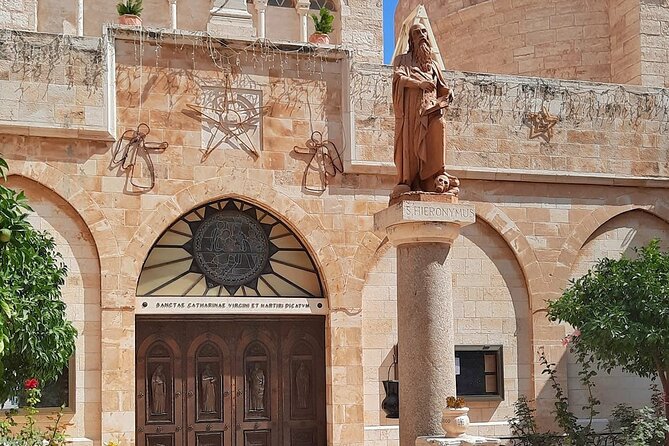
The tour may also visit the chapel caves beneath the Church of Saint Catherine. The wording is important: this visit is possible only if access allows.
You should treat the caves as an extra, not a guaranteed part of the day. If you reach them, they add an underground layer to the Bethlehem visit and help show how worship at the site extends below the main church. If access is not available, the core Bethlehem visit still includes Manger Square, the Basilica of the Nativity, and the Grotto.
This is a good example of why it helps to keep expectations flexible. Religious sites can have changing access, and a short group tour cannot control every door or chapel.
A small group, but still a fast schedule
The maximum group size is 15 people. That is a useful middle ground. You are not alone with a private guide, but you are also not one face in a huge coach crowd.
A group of this size can make it easier to hear explanations and regroup at the main stops. It also keeps the tour practical for a route with several walking sections.
Still, 15 people can take time to move through narrow Old City streets and church entrances. The four-hour Jerusalem segment has a lot to cover. You should wear comfortable shoes and be ready to keep moving, although the tour information does not give specific walking distances.
The tour has a guaranteed departure, which is one of its strongest planning benefits. You do not have to build your day around the possibility that the outing will be canceled for lack of bookings, although the cancellation terms say a minimum number of participants is still required. If that minimum is not met, you will be offered another date or experience, or a full refund.
Pickup, timing, and the return ride
The listed start time is 7:50 a.m. at the David Citadel Hotel, 7 King David Street, Jerusalem. Pickup is offered, and the overview says the experience begins directly from your hotel, but the formal meeting point is the David Citadel Hotel. Confirm the pickup details before booking, especially if you are staying elsewhere.
The tour ends back at the meeting point. The overview also describes a return to your hotel, so you should clarify whether your hotel is included in the pickup and drop-off area or whether you need to return to the David Citadel Hotel.
The early start is sensible. Jerusalem and Bethlehem are both major destinations, and a morning departure gives the group time to cover both. It also means you should plan breakfast ahead, since lunch is not part of the package.
Confirmation arrives at booking time. Most people can participate, and the tour uses an air-conditioned vehicle with WiFi. The supplied information does not give details about wheelchair access, child seats, or special mobility arrangements, so ask the provider directly if any of those affect your plans.
Service and communication
The provider is Valentina. The available feedback gives the service a strong overall rating of 5 from two reviews, with praise for the guide, the smooth running of the day, and quick replies to questions.
One comment specifically calls the guide excellent and describes the day as unforgettable, while another praises the service from the first contact and says questions were answered the same day. Those details matter because organized tours often succeed or fail on communication and timing, not just on the sights.
No individual guide’s name is supplied, so I would not book expecting a particular person. The available comments do point to a well-managed experience, but the sample is small. Treat that as encouraging evidence, not a guarantee that every departure will feel identical.
Who should book this Jerusalem and Bethlehem tour?
I would recommend this tour if you have one free day and want the main Christian landmarks in both cities without arranging transportation yourself. It is especially useful for first-time visitors, pilgrims, and anyone who values a set departure, a small group, and a return to the starting point.
It also suits you if you want a broad first look before deciding where to spend more time later. Mount Scopus, the Old City, the Western Wall, the Via Dolorosa, the Church of the Holy Sepulchre, Manger Square, and the Basilica of the Nativity make a strong introduction.
I would hesitate if you dislike structured schedules or want long periods at each site. Jerusalem and Bethlehem deserve slower visits, and this outing gives you an efficient overview rather than a leisurely study.
Free cancellation up to 24 hours before the 7:50 a.m. start adds useful flexibility. Cancellations or changes made less than 24 hours before departure are not refunded or accepted. The experience also depends on good weather, with a different date or full refund offered if poor weather cancels it.
Should you book it?
Book this Jerusalem and Bethlehem tour if your priority is coverage, simplicity, and reliable transport. For $160, you get a full half-day-plus route, an air-conditioned vehicle, WiFi, taxes, guiding, and access to two of the world’s most important Christian destinations.
Skip it if you want a private guide, a slow pilgrimage, or several hours at one church. The schedule is full, but that is also its purpose. You will leave with a clear sense of Jerusalem and Bethlehem, plus a practical list of places worth revisiting at a slower pace.
FAQ
What is the price of the Jerusalem and Bethlehem Tour?
The price is $160 per person.
How long does the tour last?
The tour lasts approximately 6 to 7 hours. About four hours are allocated to Jerusalem and about three hours to Bethlehem.
Where does the tour start?
The listed meeting point is the David Citadel Hotel at 7 King David Street, Jerusalem. The start time is 7:50 a.m., and pickup is offered.
What sites are visited in Jerusalem?
The Jerusalem portion includes Mount Scopus, the Garden of Gethsemane, the Church of All Nations, the Kidron Valley, the Jewish Quarter, the Byzantine Cardo, the Western Wall, the Via Dolorosa, and the Church of the Holy Sepulchre.
What is included in the Bethlehem visit?
The Bethlehem visit includes Manger Square, the Basilica of the Nativity, the Grotto of the Nativity, and an original excavated 4th-century mosaic. The chapel caves beneath the Church of Saint Catherine may be visited if access allows.
Is cancellation free?
Yes. You can cancel up to 24 hours before the experience starts for a full refund. Cancellations or changes made less than 24 hours before the start time are not accepted or refunded.
Just added in Jerusalem
- Walking Jerusalem in Russian★ 5.0 · 1 review
- private Full-Day Tour to Bethlehem and Jerusalem★ 5.0 · 2 reviews
- Jerusalem and Dead Sea Trip from Tel Aviv★ 4.0 · 6 reviews
- Tel Aviv & Old City of Jaffa – Tiny group from Tel Aviv★ 4.5 · 9 reviews
- Tel Aviv; Jaffa Old City, Port & Shuk Hapishpishim Walking Tour★ 4.5 · 11 reviews
- Tel Aviv: Food & History Tour of Jaffa Old City & Flea Market★ 5.0 · 1 review
- Discover the Secrets of the Underground Jerusalem with a private tour★ 5.0 · 4 reviews
- Private Tour from Tel Aviv to Jerusalem★ 5.0 · 3 reviews
Bethlehem and the West Bank Tours, compared.
Day Tour to Jerusalem and Bethlehem from Tel Aviv
Read our review →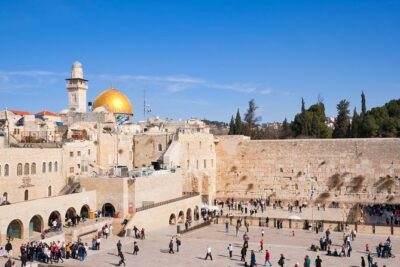
Jerusalem, Dead Sea, and Bethlehem from Tel Aviv
Read our review →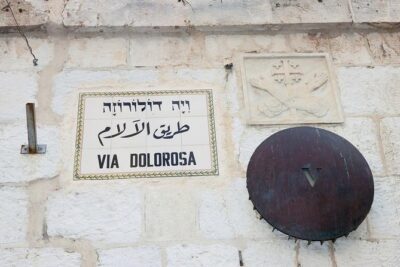
Jerusalem and Bethlehem Day Tour from Jerusalem
Read our review →
Travel to Bethlehem Half Day Guided Tour from Jerusalem & TelAviv
Read our review →
Ashdod Shore Excursion: Jerusalem and Bethlehem – for cruise ship guests only
Read our review →Browse the lists this tour appears in