
Reviewed · HAIFA AND THE GALILEE TOURS
Kabbalah Heritage Walk
Safed keeps its secrets well. This 90-minute Kabbalah walk opens a useful door, pairing the old city’s sacred sites with explanations from a Talmudic scholar. I like the chance to see Safed on foot and connect each place with figures such as Isaac Luria and Rabbi Moshe Cordovero. I also like the small maximum of 15 people, which gives you room to ask questions. The main caution is that the advertised location says Tiberias, while the walk actually begins and ends at Kikar HaMeginim in Safed, so check your plans carefully.
This is not a general sightseeing stroll with a few religious facts added. It focuses on the people, teachings, synagogues, and customs that made Safed a center of Jewish mysticism in the 16th century. Rabbi Shmuel Kopel is praised for being patient, friendly, and clear, which matters when the subject includes ideas that can feel abstract or difficult at first.
The timing also deserves attention. The regular departure is at 1:30 p.m. from Sunday through Thursday and at 11 a.m. on Friday. The published schedule also shows a Monday afternoon operating window, so I would confirm the exact day and time before paying, especially if your visit falls outside the standard schedule.
In This Review
- Key points at a glance
- Why Safed matters to Kabbalah
- Beginning at Kikar HaMeginim
- Meeting the rabbis of 16th-century Safed
- Historic synagogues and sacred spaces
- How Rabbi Shmuel Kopel shapes the experience
- The 90-minute pace and small-group value
- Is $45 a fair price?
- Who should book this walk?
- Booking, timing, and cancellation
- Should you book the Kabbalah Heritage Walk?
- FAQ
- Where does the Kabbalah Heritage Walk begin and end?
- How long does the tour last?
- What time does the tour operate?
- How many people can join the tour?
- Who leads the Kabbalah Heritage Walk?
- Can I cancel for a full refund?
Key points at a glance
- Safed’s Kabbalistic quarter: Walk through the city where Rabbi Moshe Cordovero, the Alshich, Rabbi Yosef Karo, and the Holy Ari shaped Jewish thought and practice.
- A guide with religious training: Rabbi Shmuel Kopel leads the walk and explains both the mystical ideas and their practical effect on Judaism today.
- Historic synagogues: Visit several old houses of prayer and learn which rabbis worshipped or taught there.
- Small-group format: The group is capped at 15 people, a useful limit for a subject that works best when you can stop and ask questions.
- A focused price: At $45 per person, the value depends on how much you want religious context rather than a broad city tour.
- Easy cancellation: You can cancel for a full refund up to 24 hours before the start time.
Why Safed matters to Kabbalah
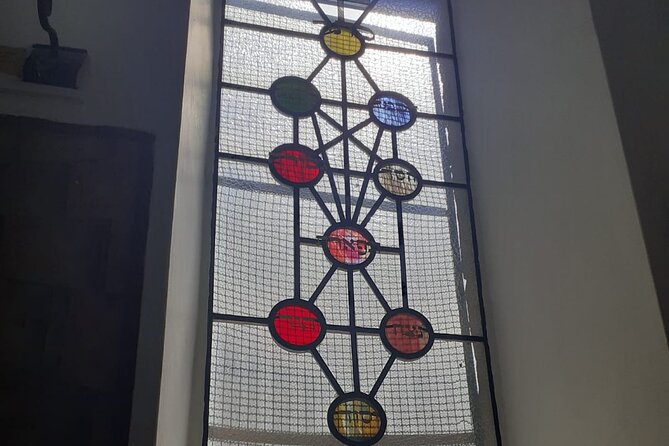
Safed, also called Tzfat or Zefat, is one of Judaism’s four sacred cities. Its importance is not only a matter of old stone streets and impressive names. In the 16th century, it became the best-known center for the study and teaching of Kabbalah, the mystical side of Judaism.
For centuries, Kabbalistic teachings were kept within limited circles. Safed changed that story. Rabbis who lived and taught here shaped ideas about prayer, divine attributes, spiritual repair, the meaning of the Sabbath, and the inner purpose of Jewish law.
You do not need a background in Jewish theology to follow the walk. The value of a guide-led visit is that you can ask what a term means, why one rabbi disagreed with another, or how a teaching still affects Jewish practice. Without that help, the sites can look like a series of attractive but confusing synagogues.
The tour also places Kabbalah beside mainstream Jewish law. Safed was home to Rabbi Yosef Karo, author of the Shulchan Aruch, one of the most influential books of Jewish religious law. That pairing is important. The city was not devoted only to mystery and speculation. It was also a place where legal tradition was organized and given lasting form.
More History Tours in Haifa and the Galilee:
- Nazareth: Biblical History & Culture Private Tour
★ 5.0 · 3 reviews - Jerusalem Yad Vashem Holocaust History Museum Tour
★ 5.0 · 98 reviews - Jerusalem Christian Heritage Private Tour
★ 5.0 · 9 reviews
Beginning at Kikar HaMeginim
The walk begins at Kikar HaMeginim in Safed and returns there at the end. That simple arrangement is useful because you do not need to solve a second transportation problem after the tour.
The meeting point is near public transportation, but the tour information does not provide a private transfer from Tiberias or another city. If you are staying in Tiberias, remember that the activity itself takes place in Safed. The wording attached to the experience can make Tiberias appear to be the main location, but the actual start and finish point is Safed.
Arrive with enough time to find the square and get settled. This is a short tour, so a late start would take a noticeable bite out of the experience. The group format is a good fit for the setting: Safed’s old city is best handled at walking pace, with frequent pauses rather than a rushed march between attractions.
You should also wear comfortable shoes. The exact route and street conditions are not specified, but this is an old hill city explored on foot. Expect the usual uneven surfaces and slopes that come with historic quarters, rather than a flat city-center stroll.
Meeting the rabbis of 16th-century Safed
The heart of the walk is its use of individual rabbis as a guide to the city. Instead of presenting Kabbalah as one large, mysterious subject, Rabbi Kopel connects teachings to the people who developed and taught them.
Rabbi Moshe Cordovero is one of the central figures associated with Safed. His work helped organize Kabbalistic thought and gave students a structured way to understand its many ideas. At a site connected with him, you can expect the focus to be on what he taught and how his work influenced later Jewish thinkers.
The Alshich is another important name in Safed’s religious story. His teachings are tied to the interpretation of Jewish scripture and to the spiritual life of the community. The walk gives you a chance to see these figures as residents and teachers, not just names in a textbook.
Then comes Isaac Luria, known as the Holy Ari. He is perhaps the most famous Kabbalist linked with Safed. Lurianic Kabbalah had a major effect on later Jewish prayer and custom, including practices connected with the Sabbath. The tour’s advantage is not simply taking you to a site associated with him. It explains why his ideas mattered and how they reached far beyond Safed.
The pace should allow for questions. That is especially helpful here, since different rabbis offered different ways of explaining creation, the soul, prayer, and the relationship between the visible and unseen worlds. You can ask for a plain-language explanation instead of pretending every term makes sense on the first hearing.
Historic synagogues and sacred spaces

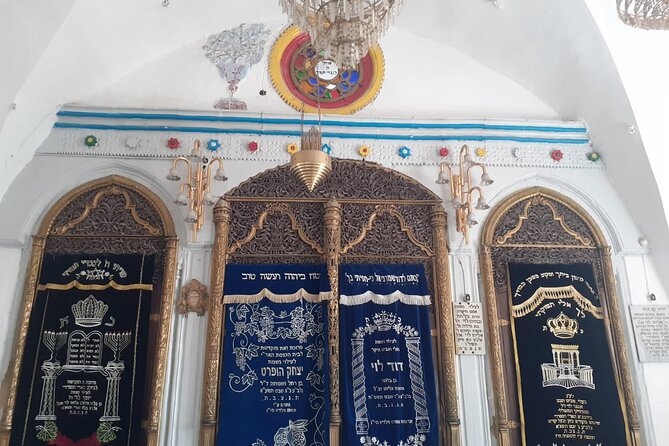
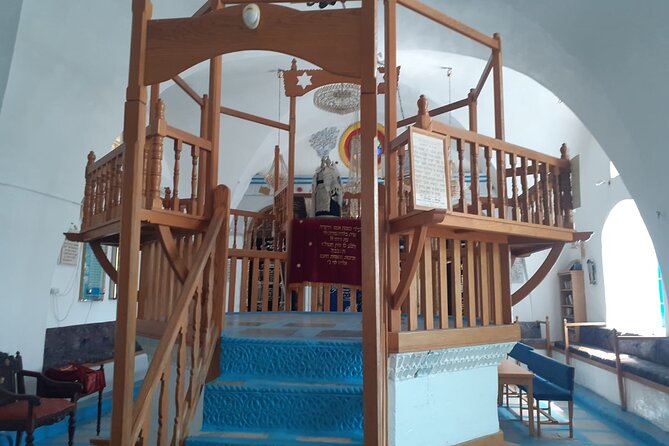
A particularly useful part of the walk is the visit to several historic synagogues. These buildings are not just old religious structures. They are places tied to the rabbis who prayed, taught, and built community in Safed.
The synagogues help turn an intellectual subject into something physical. You can stand in a room connected with a particular tradition while hearing about the rabbi associated with it. That link between place and teaching is what makes a heritage walk more satisfying than a lecture indoors.
The exact synagogues visited can vary, and the supplied details do not promise a fixed list of buildings. Still, you should expect the route to include sites of Kabbalistic importance and places connected with the city’s major religious figures.
Some visitors may find the synagogue visits more rewarding than the abstract discussion. Others may want more time for theology and less time looking at buildings. The small group helps balance those needs, since you can ask the guide to expand on a point or clarify why a particular site matters.
Please remember that synagogues are active religious places, not simply monuments. Dress and behavior should be respectful. The tour information does not give a formal dress code, so modest clothing is the sensible choice.
More Walking Tours in Haifa and the Galilee:
- Walking Tour of Akko (Half-day)
★ 5.0 · 84 reviews - Jerusalem: Guided Walking Tour of the Old City
★ 4.7 · 386 reviews - All Inclusive Walking Tour Old City Jerusalem
★ 5.0 · 83 reviews - Tel Aviv: Jaffa Half-Day Walking Tour
★ 4.5 · 70 reviews
How Rabbi Shmuel Kopel shapes the experience
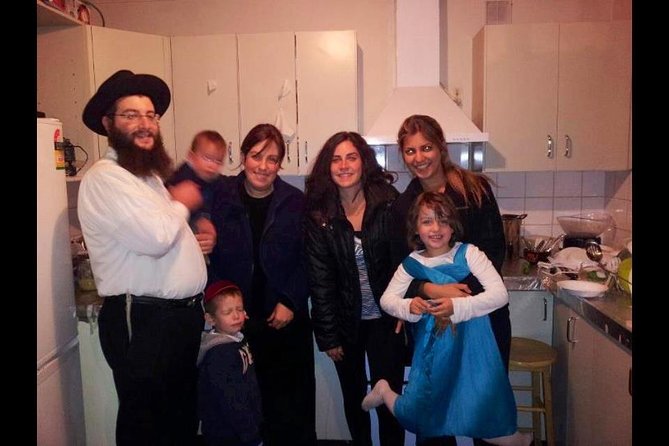
The guide is a major part of this activity. Rabbi Shmuel Kopel is described as patient, friendly, and able to explain the history of Safed, the development of Kabbalah, and the city’s role in both.
That combination matters. A guide who knows only the streets may give you dates and names without explaining their meaning. A guide who knows only the theology may make the tour feel like a classroom. Here, the aim is to join the two.
I would expect the strongest moments to come when you ask direct questions. Why did Safed become such an important center? How did Kabbalistic ideas affect ordinary prayer? What is the difference between Kabbalah and the legal tradition represented by Rabbi Yosef Karo? These are the questions that can turn a short walk into a useful introduction.
The praise for Rabbi Kopel also points to the tour’s tone. You are not expected to arrive as an expert. A patient guide can adjust the explanation for a first-time visitor, a religiously curious participant, or someone already familiar with Jewish history.
Still, this format will not suit everyone. If you want a broad tour of Safed’s art galleries, markets, food, or modern culture, this walk is too specialized. It gives most of its attention to religious heritage.
The 90-minute pace and small-group value
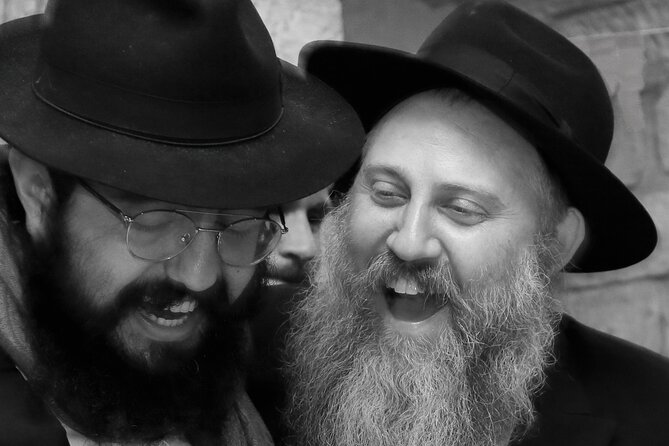
An hour and a half is long enough to create a clear picture of Safed’s Kabbalistic past, but not long enough to cover every major site or explain every school of thought in detail. That is not a flaw, as long as you book it as an introduction rather than a complete study course.
The maximum group size is 15 people. For a walking tour, that is a practical limit. A group of this size can gather around a guide without spreading too far along the street, and you have a realistic chance to ask questions.
The tour operates once daily on the regular schedule. Sunday through Thursday departures are listed for 1:30 p.m., while Friday begins at 11 a.m. The Friday timing may work well if you want to explore Safed afterward, though the tour information does not specify how its schedule relates to local Sabbath preparations or site access.
One point needs clarification before booking. The operating information gives a broad Sunday through Thursday schedule, while the posted opening-hours line shows Monday from 1:30 p.m. to 2:30 p.m., and the stated duration is about 90 minutes. These details do not perfectly match. Contact the provider, Rabbi Shmuel Kopel, to confirm the departure time for your chosen date.
Is $45 a fair price?
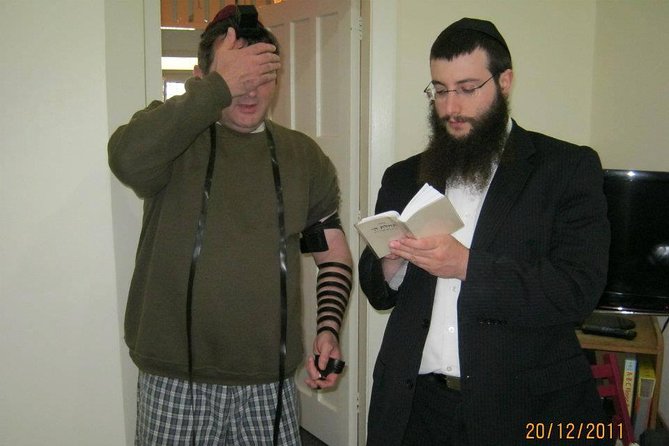
The cost is $45 per person. That is reasonable if you want a specialist-led introduction to Kabbalah and Safed’s religious sites, especially with a group limit of 15.
You are paying for more than a walk through an old quarter. The main value is interpretation: which rabbi is connected with each place, what that rabbi taught, and how those teachings affected Jewish life. If you would otherwise wander among the synagogues without knowing their importance, the guide can make the city far more understandable.
The value is less clear if your main goal is general sightseeing. A broader Safed tour may cover more streets, viewpoints, architecture, and local culture. This experience gives you less range but more focus.
Group discounts are available, which may improve the price for families or organized parties. A mobile ticket is also offered, making the booking process practical for visitors already moving around Israel.
The strongest case for the price is your level of interest. If Kabbalah, Jewish law, sacred places, and the history of Jewish scholarship are central to your trip, $45 buys useful context. If those subjects are only a minor curiosity, the specialized focus may feel narrow.
Who should book this walk?
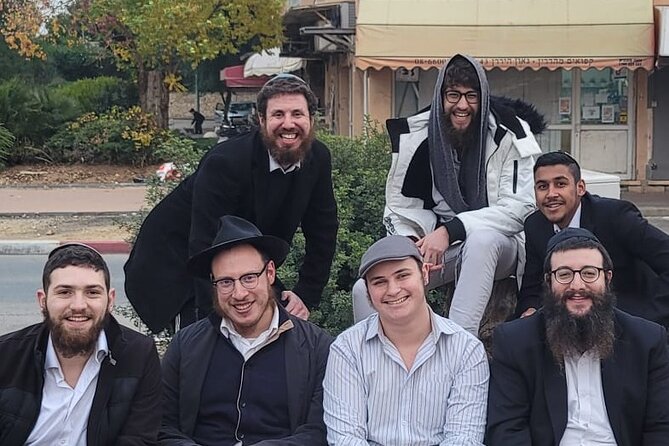
I would suggest this experience to anyone visiting Safed who wants the city explained through its religious thinkers. It is especially suitable for first-time visitors who want a starting point before exploring the old city independently.
It also suits families with older children or teenagers who are comfortable walking and asking questions. The personal attention of a small group can help younger participants follow the subject, though the tour information does not give a minimum age.
Jewish visitors may appreciate the connection between the sites and later religious practice. Non-Jewish visitors can also follow the tour, provided they are interested in learning rather than simply checking off sights.
You may want to skip it if you prefer a relaxed stroll with no fixed subject. You may also find it too short if you already have strong knowledge of Kabbalah and want detailed textual study.
Most people can participate, and service animals are allowed. The walk is near public transportation. Since the route is on foot through an old city, ask the provider about your particular mobility needs if uneven streets or hills could be a concern.
Booking, timing, and cancellation
The experience is often reserved about 17 days ahead, so advance planning is sensible if your dates are fixed. Confirmation is provided at booking, and the mobile ticket is convenient for keeping the details on your phone.
The regular schedule is once per day, Sunday through Thursday at 1:30 p.m. and Friday at 11 a.m. Other times can be arranged in advance if available. Because the posted hours contain a discrepancy, confirm the exact meeting time and date before setting out.
Free cancellation is available until 24 hours before the start time for a full refund. Cancellations or changes made inside that 24-hour window are not refunded or accepted, based on local time.
Should you book the Kabbalah Heritage Walk?
Book it if you want Safed to make sense, not just look picturesque. The combination of historic synagogues, major Kabbalistic figures, Rabbi Shmuel Kopel’s patient explanations, and a 15-person limit gives you a focused introduction to the city’s religious importance.
I would not book it as your only Safed sightseeing activity. Ninety minutes is enough for a strong orientation, but you will still need separate time for the rest of the city. Confirm that you are meeting in Safed, not Tiberias, and verify the schedule before payment.
For curious visitors, students of Jewish history, and anyone drawn to the spiritual side of Safed, this is a good-value small-group walk. Its appeal comes from the questions it encourages and the way it links old buildings with ideas that still shape Jewish life.
FAQ
Where does the Kabbalah Heritage Walk begin and end?
The walk begins at Kikar HaMeginim in Safed and ends back at the same meeting point.
How long does the tour last?
The experience lasts approximately 1 hour and 30 minutes.
What time does the tour operate?
The regular schedule lists one departure per day from Sunday through Thursday at 1:30 p.m. Friday departures begin at 11 a.m. Other times may be arranged in advance if available.
How many people can join the tour?
The group has a maximum of 15 participants.
Who leads the Kabbalah Heritage Walk?
The experience provider is Rabbi Shmuel Kopel, a Talmudic scholar who explains Kabbalistic teachings and their connection with Safed’s religious sites.
Can I cancel for a full refund?
Yes. You can cancel at least 24 hours before the experience start time for a full refund. Cancellations and changes made less than 24 hours before the start time are not accepted.
Just added in Haifa and the Galilee
- Sea of Galilee – Off the Beaten Track★ 5.0 · 3 reviews
- A Day of Spiritual Discovery in the Upper Galilee★ 5.0 · 7 reviews
- Tour The Mystical City Of Safed★ 5.0 · 11 reviews
- Druze Culinary Tour of the Western Galilee★ 5.0 · 6 reviews
- Haifa Acre and Rosh Ha-Nikra Private Tour from Tel Aviv★ 5.0 · 5 reviews
- The Golan heights★ 5.0 · 4 reviews
- Sea of Galilee, Capernaum and Nazareth Day Trip from Tel Aviv★ 4.0 · 6 reviews
- Private tour: Caesarea, Haifa, and Mt. Carmel★ 5.0 · 7 reviews
Haifa and the Galilee Tours, compared.
Nazareth and the Sea of Galilee Day Trip from Tel Aviv
Read our review →
Nazareth and the Sea of Galilee Day Trip from Jerusalem
Read our review →
Caesarea, Rosh Hanikra and Acre Day Trip from Tel Aviv
Read our review →
Travel To Bethlehem, Jericho & Jordan River – Group Guided Tour from Jerusalem
Read our review →
Haifa Shore Excursion: Nazareth and the Galilee – for cruise ship guests only
Read our review →Browse the lists this tour appears in