
Reviewed · BETHLEHEM AND THE WEST BANK TOURS
Tour From Jerusalem & Tel Aviv: Half Day Travel to Bethlehem
Bethlehem puts scripture into real places. This half-day trip links the Shepherds’ Fields, Milk Grotto, Church of the Nativity, and local Palestinian art in one practical outing, with pickup in Tel Aviv and a finish in Jerusalem. I like the guaranteed visit down to the Nativity grotto and the chance to hear local stories from guides such as George, who speaks Aramaic and has even recited the Lord’s Prayer in that language. I also like the stop at an olive wood workshop, since it adds daily life and craft to the religious sights.
The main drawback is time. Five hours is enough for the major stops, but the line for the grotto can take 30 to 90 minutes, and the group may include as many as 55 people. Sunday and Christian holiday visits are also a poor fit because masses can close the grotto.
In This Review
- Key points to know before booking
- Why this Bethlehem route works
- Shepherds’ Fields and the first Bethlehem story
- Milk Grotto, a quieter place for reflection
- The Church of the Nativity and the long queue
- Cave of St. Jerome and changing access
- Star Street and Bethlehem beyond the sanctuary
- Rachel’s Tomb and the limits of the timetable
- Local art, olive wood, and Palestinian culture
- Is $75 a good value?
- Timing, transport, and who will enjoy it
- Should you book Judah Tours’ Bethlehem trip?
- FAQ
- How long is the Bethlehem tour?
- Where does the tour begin and end?
- Is transportation included?
- Is a guide included?
- Does the tour guarantee access to the Nativity grotto?
- How long might I wait to see the grotto?
- Are food and drinks included?
Key points to know before booking
- The grotto is the main prize: The tour guarantees a visit down to the place believed to be Jesus’ birthplace, subject to the stated holiday closure.
- The route saves you time: You begin in Tel Aviv and finish in Jerusalem, so you do not need to return to your starting city.
- George brings a local voice: One guide, George, speaks Aramaic and has offered the Lord’s Prayer in Aramaic during the visit.
- The wait can shape the day: Expect a possible 30 to 90 minute line for the Nativity grotto on ordinary days.
- You see more than churches: Shepherds’ Fields, Star Street, Bethlehem’s museum, art spaces, and olive wood carving add cultural context.
- The price is fair for a short cross-border outing: At $75 per person, transport, guide services, entry costs, and the Tel Aviv to Jerusalem routing are included.
Why this Bethlehem route works
Bethlehem is close to Jerusalem on a map, but arranging a short visit across the West Bank can be awkward. This trip handles the transport between the main sights in an air-conditioned vehicle and gives you a licensed guide for the religious sites. That matters most if you have only half a day or do not want to sort out the route yourself.
The route also has a useful one-way design. You start in Tel Aviv and finish in Jerusalem, which can save a separate return journey. If your plans already move from the coast toward Jerusalem, this is a smart use of travel time. The tour is listed at about five hours, so it fits more easily into a packed Israel itinerary than a full-day excursion.
I would think of the experience as two connected tours. The first part centers on Christian pilgrimage sites. The second brings in Bethlehem’s streets, art, Palestinian heritage, and olive wood tradition. The balance is important. You are not simply ticking off church interiors, but the religious stops do take priority.
More Bethlehem and West Bank tours:
- From Tel Aviv: Jerusalem and Bethlehem Guided Day Trip
★ 4.3 · 1,316 reviews - Tel Aviv: Jerusalem, Bethlehem & Dead Sea
★ 4.0 · 881 reviews - Day Tour to Jerusalem and Bethlehem from Tel Aviv
★ 4.5 · 720 reviews
Shepherds’ Fields and the first Bethlehem story
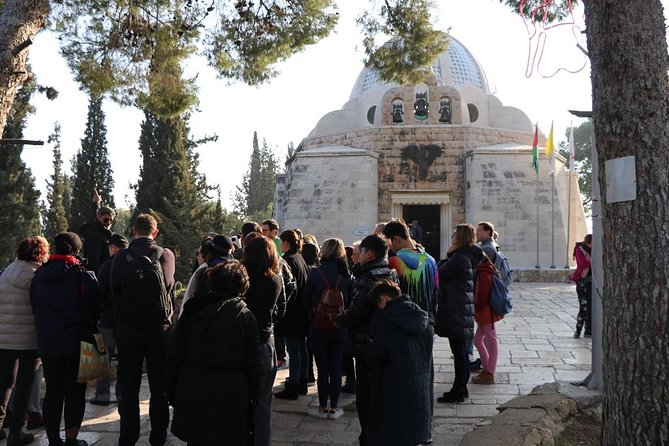
The first scheduled stop is the Shepherds’ Sanctuary in Beit Sahur, southeast of Bethlehem. The Shepherds’ Field Chapel marks the place traditionally linked with the angels announcing Christ’s birth in the New Testament. Admission is included, and the planned visit lasts about 35 minutes.
This is a good opening stop because it begins outside the old city and gives the story some physical setting. Your guide can connect the chapel and surrounding area with the familiar Christmas account before you reach the Nativity church itself. The stop should feel less crowded and more spacious than the grotto queue, although exact conditions can change.
You should not expect a long independent walk here. Thirty-five minutes is enough for the chapel and an explanation, but not for a slow, open-ended visit. I like that the tour places this stop first, since it gives you a clear narrative: the announcement to the shepherds, the search for shelter, and then the birthplace.
Milk Grotto, a quieter place for reflection
The Milk Grotto Church is scheduled for about 20 minutes, with admission included. Christian tradition connects this cave with the Holy Family’s refuge during the Massacre of the Innocents, before the flight to Egypt. Its name comes from the story that a drop of Mary’s milk fell onto the cave floor and turned the stone white.
The Milk Grotto is a different experience from the Church of the Nativity. The story is tied to the Holy Family’s escape rather than the birth itself, and the cave setting gives the stop a more intimate feel. Your guide can help separate biblical events from later Christian tradition, which is useful in a place where history, belief, and pilgrimage overlap.
Twenty minutes is brief, but appropriate for a guided visit. You will have time to see the church and hear its story without turning this stop into a long pause. If you are especially interested in religious art or devotional traditions, you may wish the schedule allowed more time.
The Church of the Nativity and the long queue
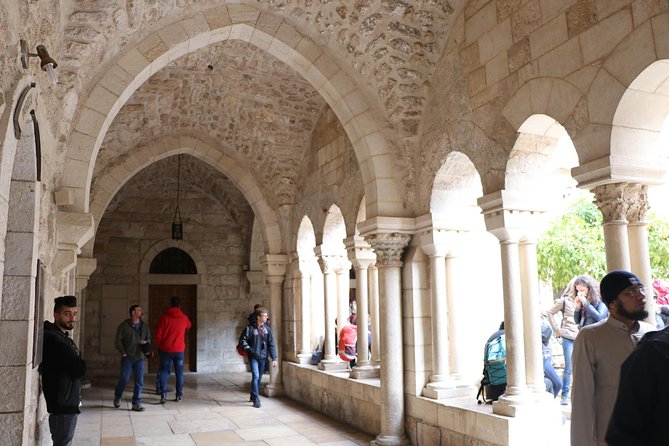
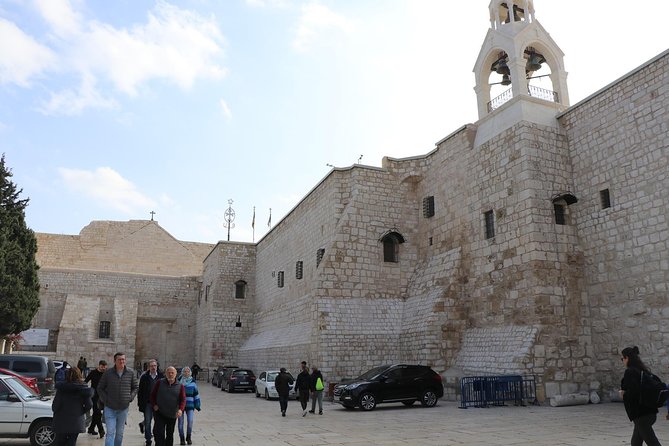
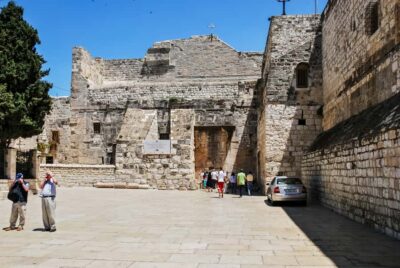
The Church of the Nativity is the central stop. The church is one of the oldest working churches in existence, and the first church on this site was built by Roman Emperor Constantine in the fourth century over the grotto associated with Jesus’ birth. The tour includes a full guided visit and guarantees a chance to go down to the grotto.
The listed stop is 20 minutes, but the actual time connected with the grotto can be much longer. On regular days, the wait may run from 30 to 90 minutes. That is the most important practical fact in the entire tour. A five-hour schedule can feel comfortable if the line is short, but tight if the queue stretches out.
The grotto is a small, powerful destination for Christian pilgrims. You may need patience, quiet, and a willingness to share the space with many other people. The guarantee to visit down into the grotto gives this tour a clear advantage over a quick exterior visit, but it does not remove the waiting time.
Do not book this experience on Sunday or a Christian holiday if reaching the grotto is your main goal. Masses can close the area. This is not a minor scheduling detail, since the grotto is the tour’s defining feature.
More things to do in Tel Aviv:
- From Tel Aviv: Jerusalem Old & New City Bus Tour
★ 4.2 · 824 reviews - Jerusalem and the Dead Sea from Tel Aviv
★ 4.5 · 444 reviews - From Tel Aviv: Jerusalem Old City & Dead Sea Guided Day Tour
★ 4.4 · 389 reviews - Jerusalem, Dead Sea, and Bethlehem from Tel Aviv
★ 4.0 · 299 reviews
Cave of St. Jerome and changing access
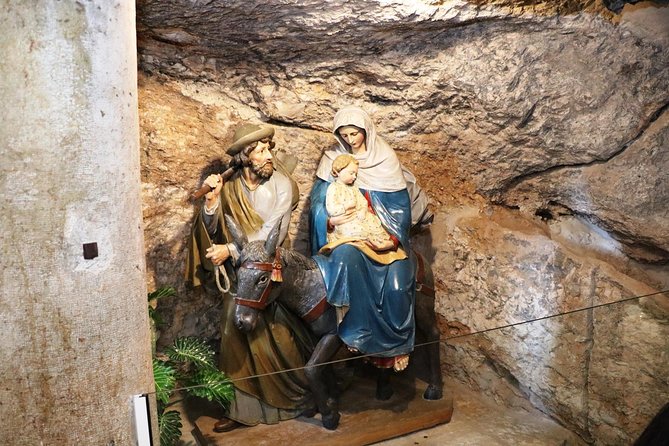
The Cave of St. Jerome is listed as a possible 10-minute stop. It is not always available, because it can close when reserved for a pilgrim group. You should treat this as a bonus rather than a promised highlight.
That uncertainty is common in active religious sites. The tour may include the cave when access is open, but the schedule can change around worship and group bookings. A good guide will explain what is happening and keep the route moving if the cave cannot be entered.
The stop connects Bethlehem’s church complex with St. Jerome, the scholar traditionally associated with translating the Bible into Latin. The supplied details do not promise a specific amount of time inside, so keep your expectations modest.
Star Street and Bethlehem beyond the sanctuary
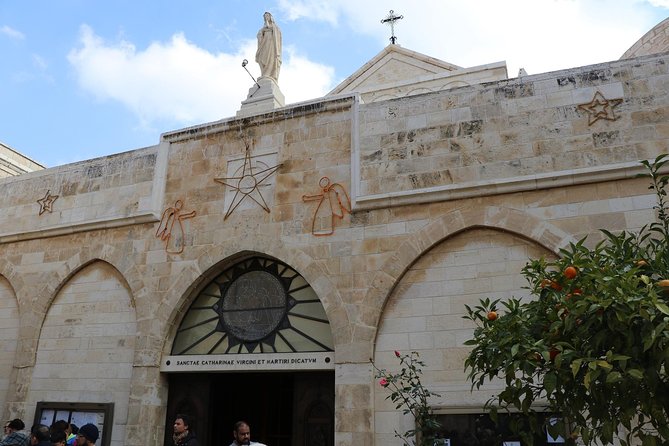
The route also includes Star Street, a historic street in Bethlehem, along with the Sanctuary Bethlehem area and a stop connected with the Order of the Blessed Virgin Mary of Mount Carmel. Some of these entries are listed as passing points rather than fully timed visits, so you should not expect a long stop at every location.
This portion helps you see Bethlehem as a living town rather than only a collection of sacred interiors. Star Street can provide a sense of the old city’s connections and movement, while the Carmelite reference adds another layer of Christian presence in the region. The order traces its spiritual roots to the Prophet Elijah and the Virgin Mary, with a rule of life written by Saint Albert, Patriarch of Jerusalem, in the early 13th century.
There is also a brief 10-minute stop listed in the route, though the supplied details do not identify it clearly. I would avoid building your expectations around that item. The main value is the broader movement through Bethlehem between the better-defined stops.
Rachel’s Tomb and the limits of the timetable
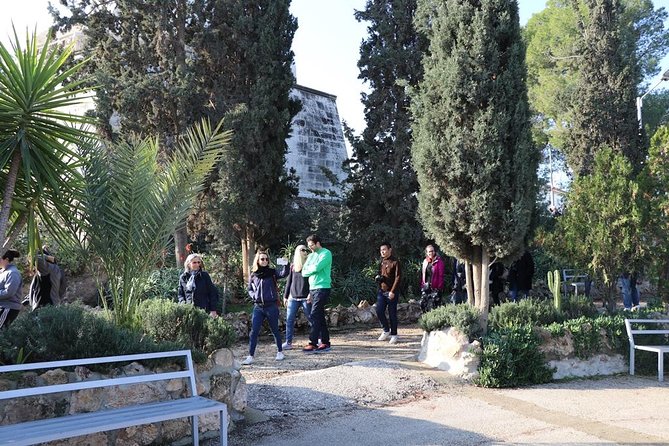
Tomb of Rachel, also called Kever Rachel, appears among the places included in the route. It is an important biblical and religious site, but the details provided do not promise an entry, a dedicated tour, or a fixed length of stay.
That distinction matters. Some stops are clearly scheduled with admission and minutes. Others may be viewed from the vehicle or included only when conditions allow. I would ask the operator before booking if Rachel’s Tomb is a personal priority.
The same advice applies to the Bethlehem Museum. Its purpose is to build understanding of Palestinian heritage, identity, culture, and art. That makes it valuable for anyone who wants more than a strictly Christian pilgrimage, but the information does not give a guaranteed visit length.
Local art, olive wood, and Palestinian culture
One of the nicest parts of the route is the move toward local craft. You pass an olive wood factory and have the chance to shop for carvings and interact with local artisans. This is more meaningful than a generic souvenir stop because olive wood carving is closely tied to Bethlehem’s visitor economy and religious traditions.
You may find crosses, nativity pieces, figures, and other carved objects, although the exact selection is not specified. Take your time comparing the work and prices. Shopping is optional in spirit, but the stop can be useful if you want a tangible reminder of Bethlehem or prefer to support local makers.
Bab idDeir Art Gallery offers a different view of the town. It is an independent artistic and cultural space in the Deik quarters of Bethlehem’s old city. The gallery is dedicated to art and culture rather than religious pilgrimage alone, so it gives the route a wider frame.
This is also where the tour’s local guides matter. The strongest praise has focused on guides who explain clearly, answer questions, and welcome people warmly. George is specifically remembered for speaking Aramaic and saying the Lord’s Prayer over the group in that language. That kind of moment cannot be guaranteed, but it shows the sort of personal religious connection the guiding can add.
Some tours also provide small food touches along the way. The experience has included Bethlehem bread, snacks, and hot drinks according to the supplied feedback. Food and drinks are not included as a formal tour feature, so do not rely on them as part of the price. Bring your own plan for meals.
Is $75 a good value?
At $75 per person, the value is strongest if you want transport and a guide more than a leisurely independent visit. The fee includes an air-conditioned vehicle, a licensed tour guide, admission fees and taxes, and the promised grotto visit. Food and drinks are not included.
For a five-hour cross-city trip with several religious sites and a one-way route from Tel Aviv to Jerusalem, the price is reasonable. You are paying for convenience, local interpretation, and the ability to cover several places without arranging each transfer yourself.
The group can reach 55 people, which is the main qualification. A group that large may make boarding, listening, and staying together slower. The experience may feel personal when the local guide is speaking directly to the group, but you should not expect a private tour.
The tour is also highly popular, with booking commonly made about 103 days ahead. That does not prove every departure sells out, but it is a useful sign to plan early, especially if your dates are fixed.
Timing, transport, and who will enjoy it
The air-conditioned vehicle is a practical comfort in a short day packed with stops. You will spend time moving between Tel Aviv, Bethlehem, and Jerusalem, so the vehicle keeps the route manageable. The trip is near public transportation, and most people can participate.
This is a good match for you if:
- You want the Nativity grotto without arranging cross-border transport yourself.
- You are staying in Tel Aviv but plan to continue to Jerusalem.
- You want a licensed guide to explain the biblical and church sites.
- You have a half day rather than a full day.
- You care about Palestinian culture, local art, and olive wood craft alongside Christian sites.
It is less suitable if you dislike waiting, large groups, or a fixed schedule. It is also not ideal if you want long museum visits, extended shopping time, or a quiet private pilgrimage. The route covers a lot, but it does so quickly.
Free cancellation is available when you cancel at least 24 hours before the local start time. Cancellations or changes made inside that window are not refunded or accepted.
Should you book Judah Tours’ Bethlehem trip?
I would book this tour if the grotto is your priority and you need a practical link from Tel Aviv to Jerusalem. The guarantee to go down to the Nativity grotto, the local guiding, and the visits to Shepherds’ Fields and the Milk Grotto give you the essential Bethlehem experience in a compact package.
Before you commit, check your calendar carefully. Avoid Sundays and Christian holidays, allow for a possible 30 to 90 minute wait, and be ready for a group of up to 55 people. If you can accept those limits, $75 is a fair price for a short, well-filled route that combines sacred places with Bethlehem’s living culture.
FAQ
How long is the Bethlehem tour?
The experience lasts approximately five hours.
Where does the tour begin and end?
The tour begins in Tel Aviv and ends in Jerusalem.
Is transportation included?
Yes. Transportation is provided in an air-conditioned vehicle.
Is a guide included?
Yes. A licensed tour guide is included.
Does the tour guarantee access to the Nativity grotto?
The tour includes a guarantee to visit down to the grotto where Jesus is believed to have been born. The grotto may be closed for masses on Sundays and Christian holidays.
How long might I wait to see the grotto?
On regular days, the wait can range from 30 to 90 minutes.
Are food and drinks included?
No. Food and drinks are not included in the tour price.
Just added in Jerusalem
- Walking Jerusalem in Russian★ 5.0 · 1 review
- private Full-Day Tour to Bethlehem and Jerusalem★ 5.0 · 2 reviews
- Jerusalem and Dead Sea Trip from Tel Aviv★ 4.0 · 6 reviews
- Tel Aviv & Old City of Jaffa – Tiny group from Tel Aviv★ 4.5 · 9 reviews
- Tel Aviv; Jaffa Old City, Port & Shuk Hapishpishim Walking Tour★ 4.5 · 11 reviews
- Tel Aviv: Food & History Tour of Jaffa Old City & Flea Market★ 5.0 · 1 review
- Discover the Secrets of the Underground Jerusalem with a private tour★ 5.0 · 4 reviews
- Private Tour from Tel Aviv to Jerusalem★ 5.0 · 3 reviews
Bethlehem and the West Bank Tours, compared.
Day Tour to Jerusalem and Bethlehem from Tel Aviv
Read our review →
Jerusalem, Dead Sea, and Bethlehem from Tel Aviv
Read our review →
Jerusalem and Bethlehem Day Tour from Jerusalem
Read our review →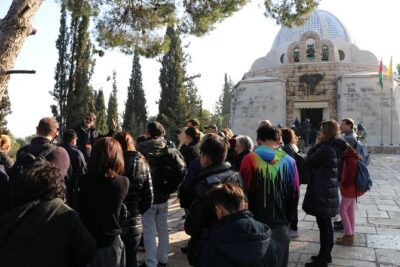
Travel to Bethlehem Half Day Guided Tour from Jerusalem & TelAviv
Read our review →
Ashdod Shore Excursion: Jerusalem and Bethlehem – for cruise ship guests only
Read our review →Browse the lists this tour appears in