
Reviewed · HISTORICAL TOURS
Tel Aviv: Private Two-World-Heritage-Sites Tour
Two cities, one compact day of contrasts. This private tour pairs 4,000-year-old Jaffa with modern Tel Aviv, moving from archaeological remains and winding lanes to Bauhaus buildings, broad boulevards, and restored German Templar homes. I like the range: you get both major UNESCO sites, plus neighborhoods that explain how Tel Aviv grew beyond Jaffa’s old walls.
I also like the private format, especially for a group of up to seven sharing one SUV. Guide Levi earned praise for adding unusual stops such as the Ilana Goor Museum in Old Jaffa. The main drawback is the pace: six hours covers a lot, and the walking on uneven old-city streets makes this a poor choice for anyone with limited mobility.
In This Review
- Key reasons this tour works
- Why ancient Jaffa is the right starting point
- From Jaffa to Tachana’s old railway tracks
- Neve Tzedek and the first Jewish neighborhood outside Jaffa
- Rothschild Boulevard and Tel Aviv’s White City
- Sarona’s German Templar village in a modern setting
- What the private SUV adds to the experience
- Pace, walking, and practical preparation
- How guide Levi may shape your day
- Who should book this six-hour city tour
- Should you book it?
- FAQ
- How long does the tour last?
- What is the price?
- Is hotel pickup included?
- Are there extra pickup fees?
- What languages does the guide speak?
- What transportation is provided?
- Are meals and drinks included?
- Is the tour suitable for wheelchair users?
- What should I bring?
Key reasons this tour works
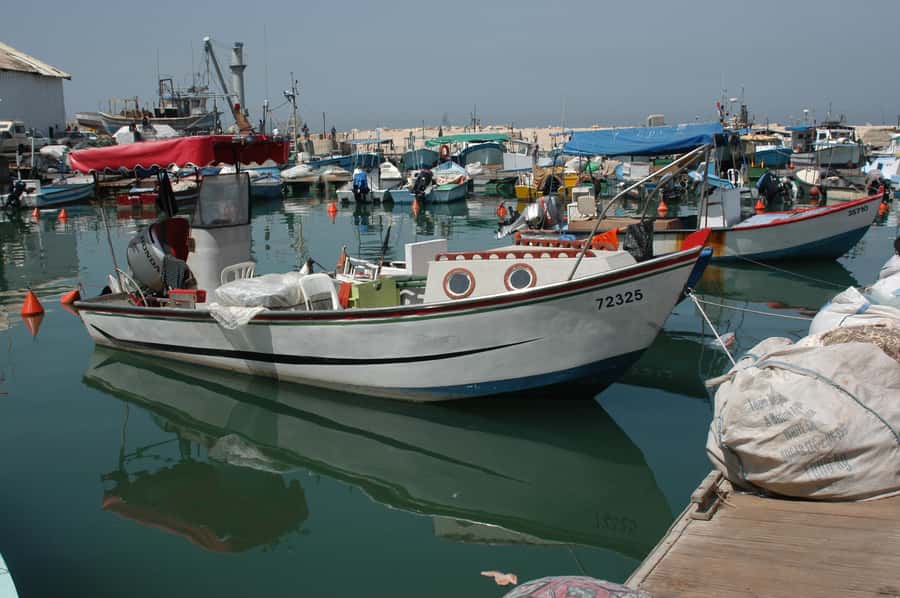
- Jaffa brings several eras into one walk: Pharaoh-era archaeology, Crusader ruins, mosques, churches, Napoleon’s failed invasion, and the old port all appear in a compact historic center.
- Two UNESCO-listed settings are included: You see ancient Jaffa and Tel Aviv’s White City, whose Bauhaus and Eclectic buildings give the modern city its distinctive look.
- Private transport saves time: Hotel pickup, a private SUV, and a flexible group of up to seven make it easier to cover spread-out areas in one half-day.
- The route includes less obvious chapters of Tel Aviv: Tachana, Neve Tzedek, and Sarona add railway, Jewish settlement, and German Templar history to the usual city highlights.
- The views help you get oriented: Observation decks in Jaffa and Tel Aviv provide broad views of the two cities and their meeting point.
- Guide quality matters here: Levi was praised for being pleasant and for adding the Ilana Goor Museum to the expected Old Jaffa sights.
Why ancient Jaffa is the right starting point
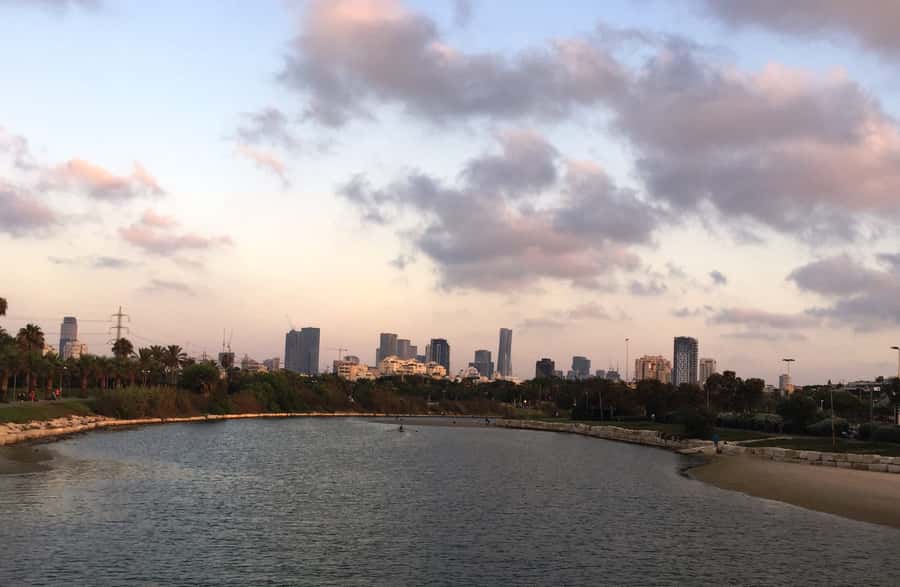
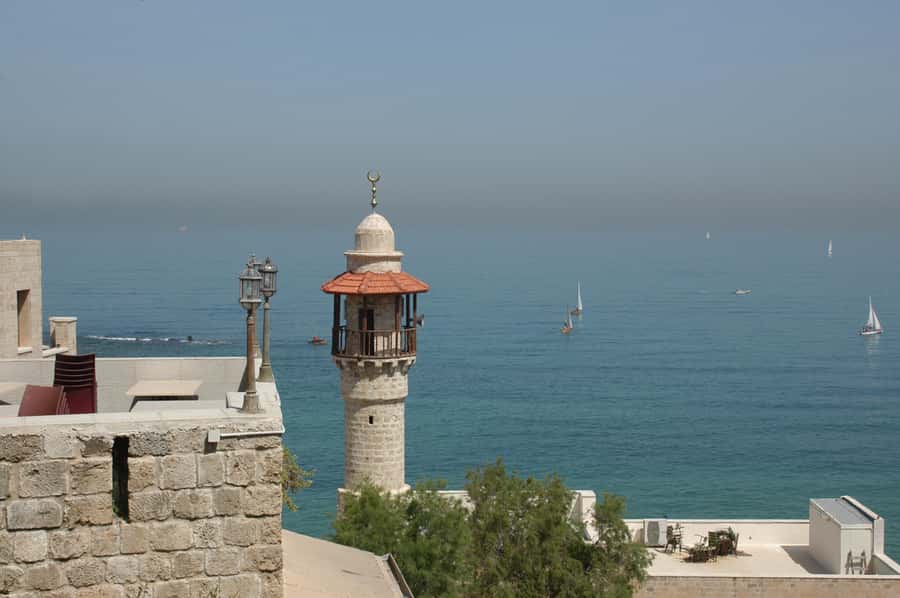
Jaffa gives you the best possible lesson in the area’s long timeline. The town reaches back roughly 4,000 years, and your first hour is built around old lanes, archaeological findings, religious buildings, and the port.
You might see remains connected with the days of the Pharaohs, Crusader ruins, mosques, churches, and reminders of Napoleon’s invasion and defeat. That is a lot of history in a small area, so a live guide is useful. Without one, old stone walls can blur into one another. With context, each layer helps explain why Jaffa has such a different feel from Tel Aviv.
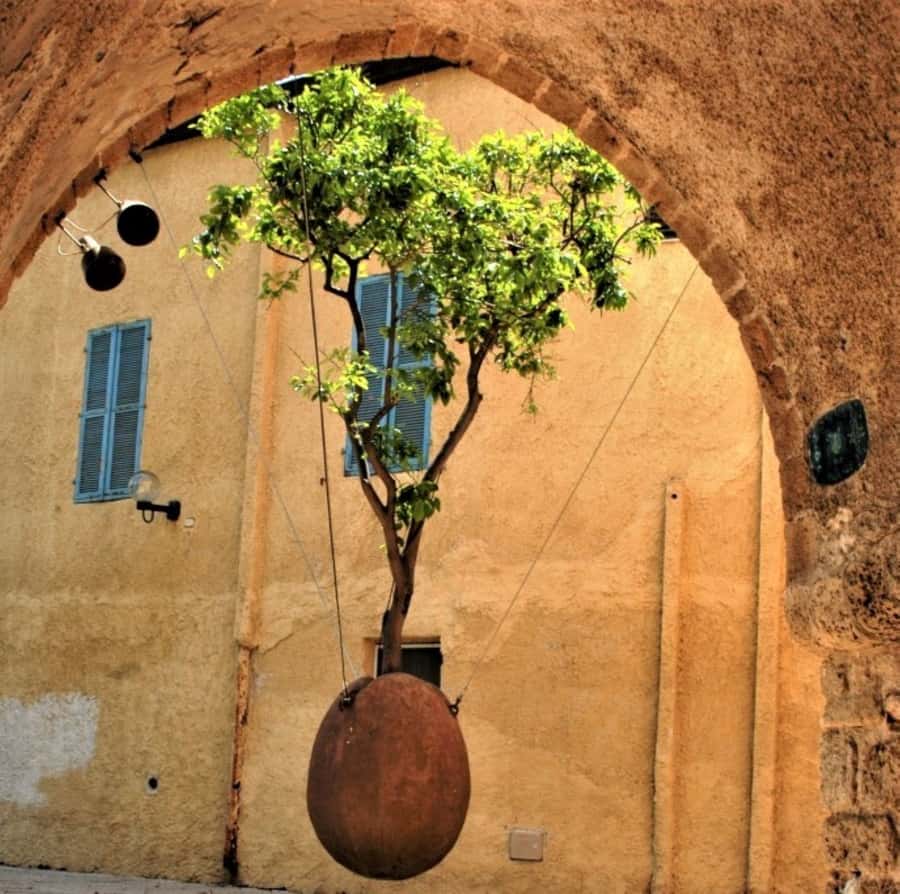
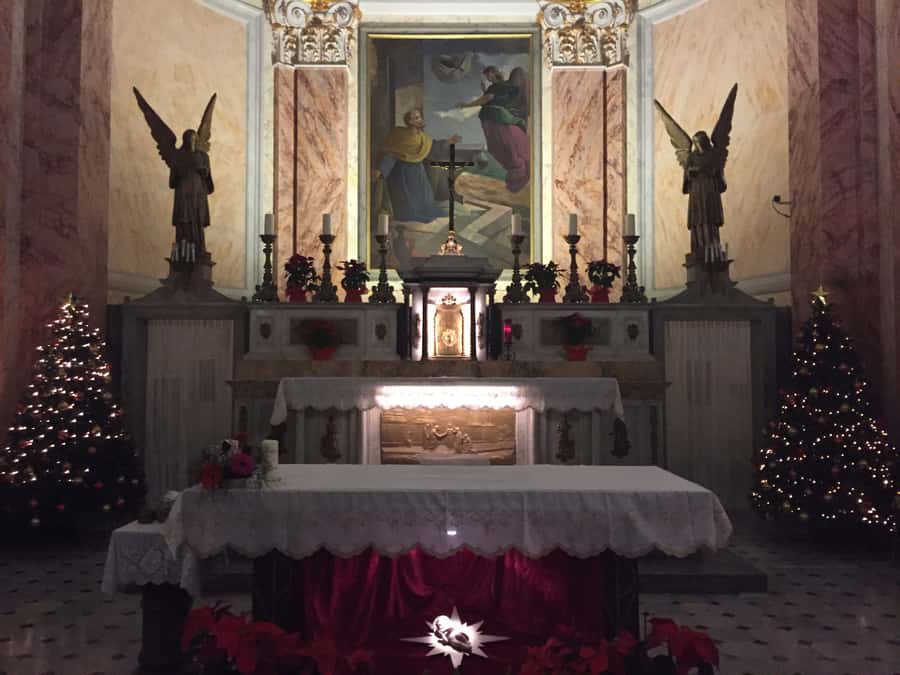
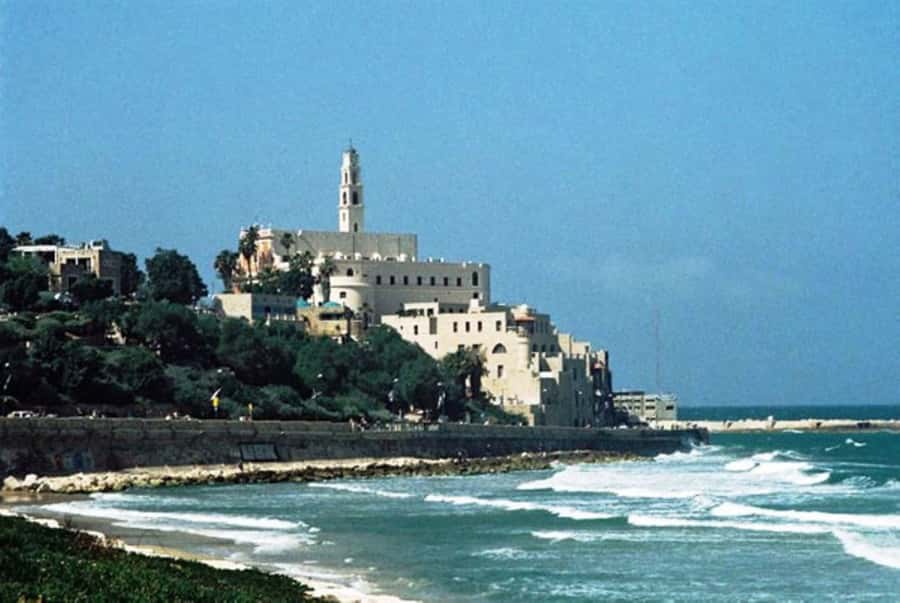
I especially like that the walk is not limited to one famous viewpoint. You move through the winding alleyways of old Jaffa, visit St. Peter Church, and reach the Jaffa Port. The port gives you a change of scale after the narrow lanes, while an observation deck helps you see how old Jaffa and modern Tel Aviv sit side by side.
Jaffa became Israel’s first UNESCO World Heritage site in the 1950s, according to the tour information. That status matters less as a label than as a clue: this is not simply a pretty old quarter. It is a place where many periods of settlement and conflict remain visible in a relatively small space.
The tour can also include the Ilana Goor Museum, an especially useful detail for art lovers. It was the extra stop that made guide Levi’s tour more distinctive, adding a contemporary artistic angle to a district already known for galleries and historic buildings. Since the exact museum visit can depend on the guide and timing, ask about it when you book if it is important to you.
Wear shoes with a firm sole. The old lanes are not presented as a smooth, accessible promenade, and the experience is not recommended for people with mobility impairments or wheelchair users.
More History Tours in Tel Aviv:
- Jerusalem Christian Heritage Private Tour
★ 5.0 · 9 reviews - Full-Day Private Luxury and Cultural Tour in Tel Aviv
★ 5.0 · 5 reviews - Jerusalem World Heritage Private Tour
★ 5.0 · 5 reviews
From Jaffa to Tachana’s old railway tracks
After Jaffa, the route shifts from ancient port town to the infrastructure of modern Palestine. Tachana is the old Turkish railway station, built more than a century ago and later renovated as an open-air complex.
The original tracks and antique train cars remain part of the setting. That makes Tachana more than a quick photo stop. It shows how rail travel once connected this coastal area with the wider region, while the restored buildings give you a sense of how an old transport site can be reused.
You will also see European-style buildings associated with Valhalla, a German Protestant colony established by the Templers in the 1870s. The Templers helped build up the Holy Land, and their presence adds another chapter to the route. In Jaffa, the emphasis is ancient stone and religious history. At Tachana, you begin to see the foreign communities, transport links, and planning ideas that shaped the area before the modern city fully took form.
This stop is valuable because it breaks up the tour’s famous sights with a place that explains development. It also gives you a different kind of architecture. You are not looking only at grand religious structures or old city walls. You are looking at railway buildings, tracks, train cars, and a former colony arranged around work and settlement.
Neve Tzedek and the first Jewish neighborhood outside Jaffa
The next neighborhood is Neve Tzedek, described as the first Jewish settlement outside Jaffa’s walls and the birthplace of modern Tel Aviv. Its small scale makes it a useful bridge between old Jaffa and the larger city.
The architecture here is presented as something that could have been lifted from a nineteenth-century Jewish town in Eastern Europe. That comparison helps you read the neighborhood as a settlement built by people carrying memories, styles, and habits from elsewhere.
I like this part of the route because it gives Tel Aviv a human beginning. The city is often reduced to beaches, cafés, nightlife, and high-rise buildings. Neve Tzedek shows a smaller and more personal starting point, before the boulevards and White City architecture took over.
The stop is listed as a one-hour guided visit within a six-hour tour, though the overall schedule divides time among several places. You should expect an overview rather than a long architectural study of every street. That is the tradeoff of a private half-day tour: you cover more ground, but no single neighborhood receives a full day.
Rothschild Boulevard and Tel Aviv’s White City
The tour then moves into modern Tel Aviv around Rothschild Boulevard. This is where the city’s famous architectural contrast becomes clearest.
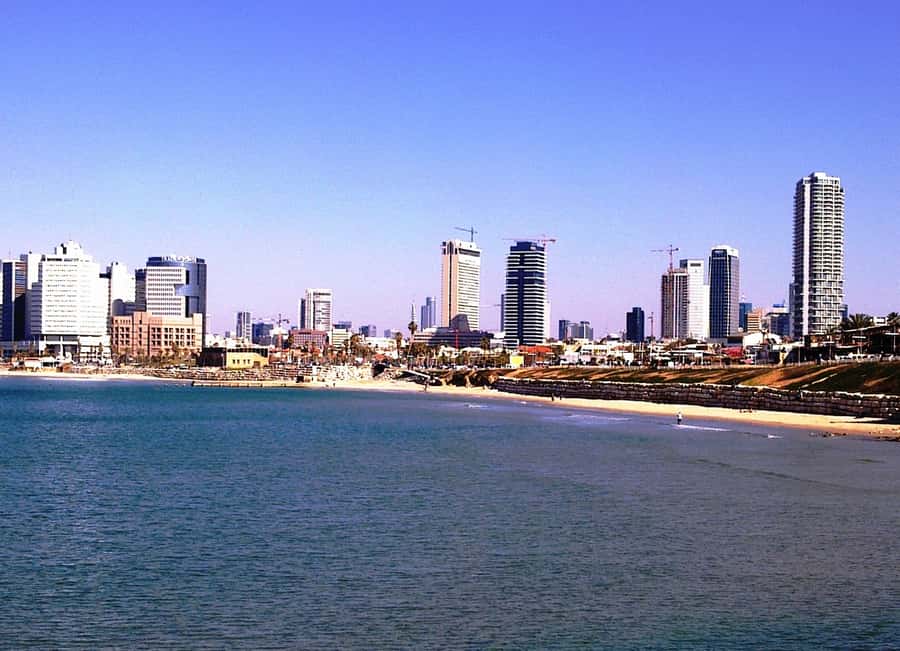
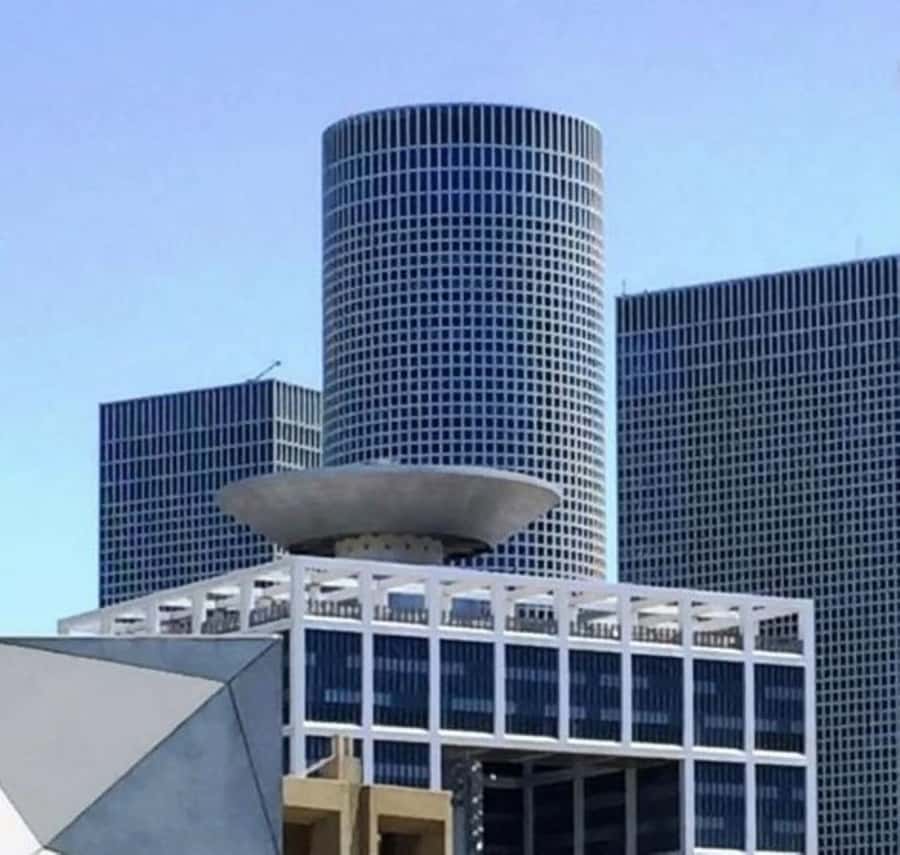
You will see modern skyscrapers alongside Eclectic buildings and Bauhaus architecture. The White City of Tel Aviv is a UNESCO World Heritage site, and its importance comes from the concentration of modernist buildings shaped by European architectural ideas. The result is not a city frozen in one period. New towers and older low-rise buildings occupy the same urban frame.
The drive through Tel Aviv matters as much as the walks. From an SUV, you can cover more of the city and compare broad boulevards with tighter historic streets. You also get a practical sense of Tel Aviv’s scale, which is hard to understand from a single pedestrian district.
Observation decks provide panoramic views of Jaffa and Tel Aviv. These are useful orientation points, especially early in your visit. You can see the old and new sections as parts of one coastal city rather than isolated attractions.
Architecture fans will get the most from this section, but you do not need specialist knowledge to enjoy it. The guide can point out the contrast between the clean lines of Bauhaus design, the decorative Eclectic style, and the much taller modern buildings. I would ask your guide to explain what makes the White City significant instead of treating it as a parade of façades.
The limitation is time. Three hours are assigned to Tel Aviv, but that portion includes several themes and locations. If you want to enter many buildings or spend long periods photographing details, you may feel hurried. If you prefer a readable overview of the city’s main architectural story, the timing is more practical.
More things to do in Tel Aviv:
- From Tel Aviv: Masada & Dead Sea Full Day Tour with Pick Up
★ 4.5 · 1,496 reviews - From Tel Aviv: Jerusalem and Bethlehem Guided Day Trip
★ 4.3 · 1,316 reviews - Masada and the Dead Sea Day Trip from Tel Aviv
★ 4.5 · 1,014 reviews - Tel Aviv: Jerusalem, Bethlehem & Dead Sea
★ 4.0 · 881 reviews
Sarona’s German Templar village in a modern setting
Sarona is the final major stop, and it offers another striking change. It began as a German Templer colony and became one of the earliest modern villages in Palestine.
The original houses were built in an old German style and are well preserved. Today, the area functions as an open-air market and recreation district. That combination can feel unusual at first: historic homes share space with food, shopping, and leisure uses.
I find Sarona useful because it shows how Tel Aviv handles old buildings in a modern city. You are not seeing a remote preserved village. You are seeing historic structures adapted to current urban life.
It also brings the Templer story back into the day after Tachana and Valhalla. The route gives you repeated chances to understand the group’s influence, but in different settings. Tachana emphasizes railway and European-style construction. Sarona lets you see a full settlement pattern, with houses arranged as part of a village rather than a station or commercial complex.
The final stop may be especially appealing if you want a break after several hours of history and walking. Food and drinks are not included, so Sarona may be a sensible place to buy something if your schedule allows. Do not assume a meal is part of the tour price.
What the private SUV adds to the experience
The price is $899 per group of up to seven. That is a serious amount for a six-hour tour, but the calculation changes if you fill the vehicle. Divided among seven people, it works out to about $128 per person before any pickup surcharge. For two people, the per-person cost is much higher.
The value comes from the private format. You receive hotel pickup and drop-off in the Tel Aviv district, transportation in a comfortable private SUV, and a live guide in English or Russian. You are not tied to the pace or interests of a large coach group, and you can ask for more explanation at the places that matter most to you.
Private transport is particularly helpful here because the route links Jaffa, Tachana, Neve Tzedek, Rothschild Boulevard, and Sarona. Those locations are close enough to fit into one city visit but different enough that walking between all of them would consume valuable time.
There are extra pickup charges for hotels outside the central area. Pickup from 1 to 10 miles from downtown Tel Aviv costs an additional $50, payable in cash to the guide. Pickup from 10 to 20 miles costs an additional $100, also payable in cash. Check your hotel’s distance before booking so the final cost does not surprise you.
The private setup also makes this a good choice for families or friends who want one shared vehicle. The tour can hold up to seven people, but the information does not specify the exact SUV seating arrangement or luggage capacity. If you have bulky bags, ask before confirming.
Pace, walking, and practical preparation
The full experience lasts six hours, with starting times based on availability. Hotel pickup is included within the stated Tel Aviv district area, and you should wait in the lobby a few minutes before the scheduled pickup time.
Bring comfortable shoes. The recommendation is not a formality: Old Jaffa’s winding lanes and historic surfaces can be tiring, and the route combines walking with vehicle sightseeing.
This tour runs rain or shine. A rainy day may affect the comfort of the observation decks and outdoor sections, while a sunny day can make the exposed walks feel demanding. Bring clothing suited to the forecast and remember that several highlights are outdoors.
The tour is not suitable for wheelchair users or people with mobility impairments. That restriction applies to the walking portions as well as the character of the old neighborhoods. If you need step-free access or frequent seating, choose a different format or ask the provider for a modified route before paying.
Food and drinks are not included. Six hours is long enough for you to want a snack or meal, so plan around that. Sarona’s open-air market and recreation area may offer a convenient stop, but the tour price itself covers transport and guiding, not refreshments.
How guide Levi may shape your day
The only recorded rating is five out of five, and the specific praise focused on guide Levi. He was described as pleasant and well informed, and he added places beyond the normal route, including the Ilana Goor Museum in Old Jaffa.
That detail is worth taking seriously. A route with this many historic periods can become a checklist if the guide simply moves you from one stop to the next. A guide who adds an art museum or an unusual local point gives the day more personality.
Still, you should treat the exact additions as a possibility rather than a guarantee. The published route centers on Jaffa, Tel Aviv, Neve Tzedek, Tachana, and Sarona. Ask Levi or the provider about current museum access and the day’s exact order if you want to build your plans around a particular stop.
The available rating is based on one verified booking, so it confirms one excellent experience but does not provide a broad record across many dates. I would regard it as encouraging evidence about Levi, not proof that every tour will follow the same pattern.
Who should book this six-hour city tour
I would recommend this experience to you if you want a private introduction to the Tel Aviv area and prefer history, architecture, and city orientation over a beach-focused day. It is a strong fit for first-time visitors who want to connect Jaffa’s ancient past with Tel Aviv’s modern identity without arranging several separate rides.
It also suits a group of friends or family members who can share the $899 price. The more people in your group, the stronger the value becomes. A group of up to seven can see a lot in one vehicle while keeping the guide’s attention within the group.
Architecture fans should pay special attention to the White City, Rothschild Boulevard, Sarona, and Valhalla. Art lovers may want to request information about the Ilana Goor Museum. History-minded visitors will appreciate the sequence from Pharaoh-era findings and Crusader ruins to railway development, Jewish settlement, Bauhaus modernism, and Templer villages.
I would hesitate if you want long, slow visits at each site, plan to spend most of the day inside museums, or have trouble walking on historic streets. The tour is broad rather than leisurely. Its strength is connection: many parts of the region make sense when seen together.
Should you book it?
Book this tour if you want the big picture in one private half-day and can fill most of the SUV. The mix of Jaffa, the White City, Neve Tzedek, Tachana, and Sarona gives you far more than a standard old-town walk.
Before paying, confirm the pickup surcharge, ask whether the Ilana Goor Museum can be included, and be realistic about the walking. If those points suit you, the route offers a smart way to see two very different cities, ancient Jaffa and modern Tel Aviv, as one connected story.
FAQ
How long does the tour last?
The tour lasts six hours.
What is the price?
The price is $899 for a private group of up to seven people.
Is hotel pickup included?
Hotel pickup and drop-off are included for locations in the Tel Aviv district, with extra cash charges for hotels farther from downtown Tel Aviv.
Are there extra pickup fees?
Yes. Pickup from 1 to 10 miles from downtown Tel Aviv costs an extra $50. Pickup from 10 to 20 miles costs an extra $100. These charges are payable in cash to the guide.
What languages does the guide speak?
The live guide is available in English or Russian.
What transportation is provided?
Transportation is provided in a comfortable private SUV.
Are meals and drinks included?
No. Food and drinks are not included in the tour price.
Is the tour suitable for wheelchair users?
No. The tour is not suitable for wheelchair users or people with mobility impairments.
What should I bring?
Bring comfortable shoes. The tour takes place rain or shine, so clothing suited to the weather is also sensible.
Just added in Tel Aviv
- Wine Tour North of Israel from Tel Aviv★ 5.0 · 2 reviews
- private Full-day Tour to Jericho + the Dead Sea★ 5.0 · 3 reviews
- private Full-Day Tour to Bethlehem and Jerusalem★ 5.0 · 2 reviews
- Private wine tour of Northern Israel★ 5.0 · 4 reviews
- Privet Pickup from Tel Aviv Hotels to the Airport★ 5.0 · 1 review
- VIP Tel Aviv airport Terminal 3 Fast Track Skip Line From plane★ 4.5 · 9 reviews
- Package VIP Skip Line Services in BGN Airport with Transfer to Tel aviv Hotels★ 5.0 · 3 reviews
- Private Transfer from Ben Gurion Airport to Tel Aviv, Bat Yam, Rishon LeZion★ 5.0 · 2 reviews
Historical Tours, compared.


Full-Day Private Luxury and Cultural Tour in Tel Aviv
Read our review →
Browse the lists this tour appears in